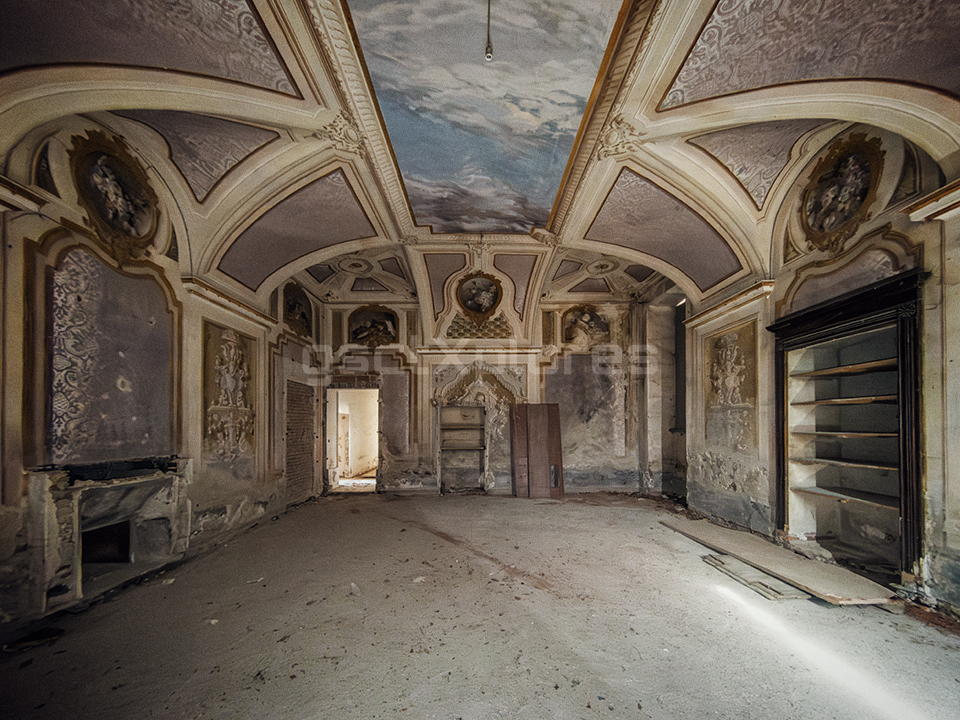
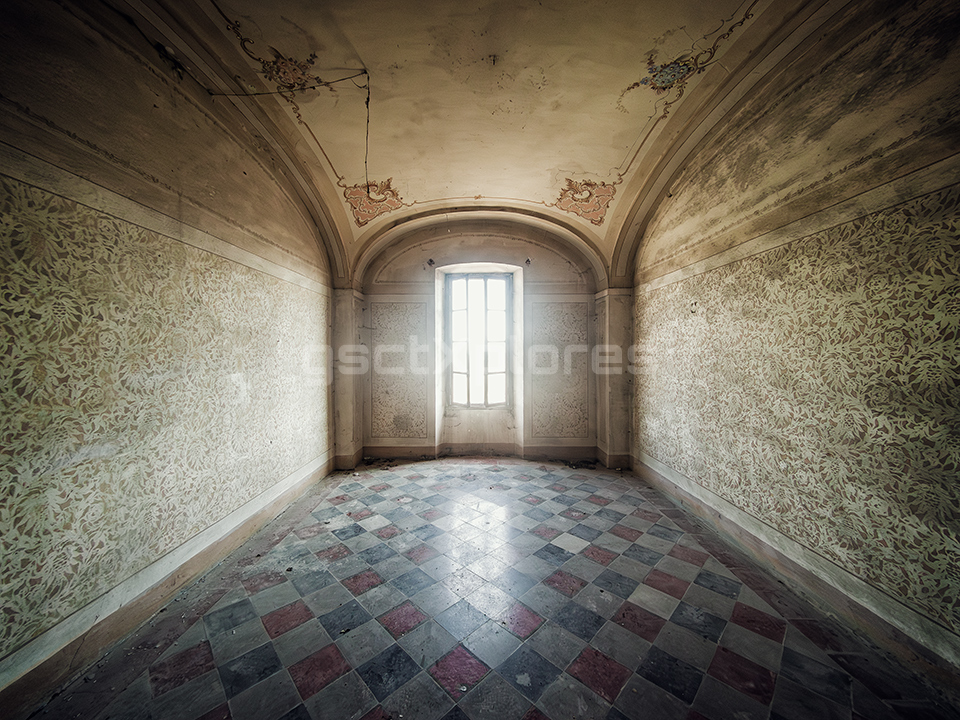
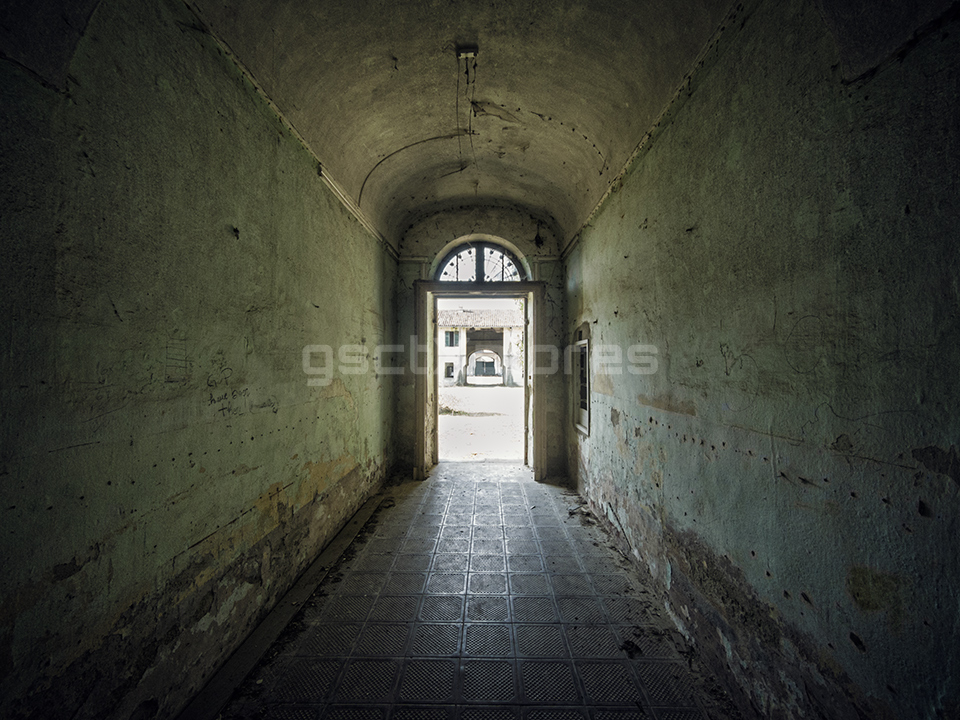
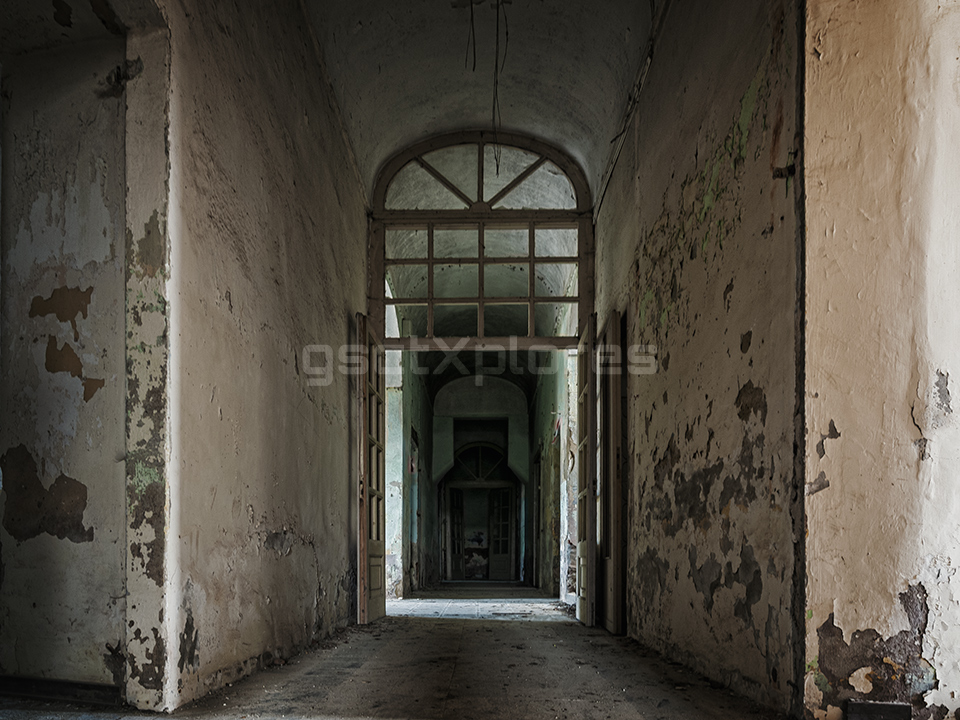
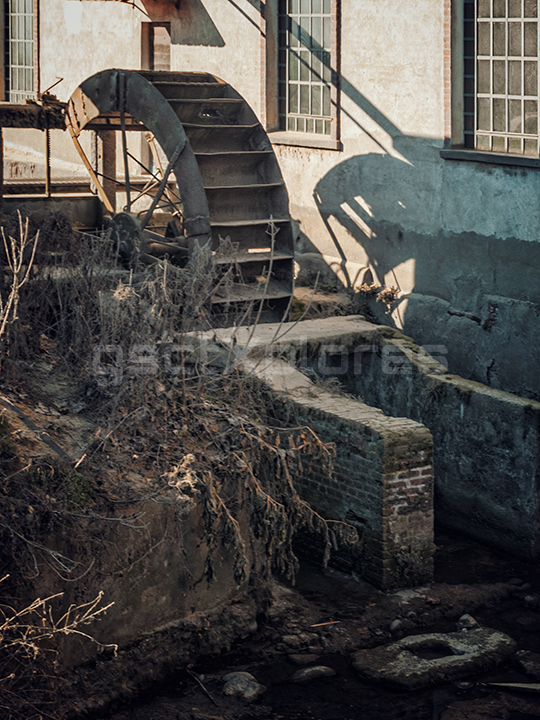
Xploration dates 2016, 2017, 2019, 2026
Camillo Benso, Count of Cavour, the visionary architect of Italy’s unification, managed the historic Leri estate—an ancient agricultural and religious site—whose transformation from fertile land to industrial area mirrors his own journey from landowner and innovator to the leader who shaped a unified Italy.
Camillo Benso, Count of Cavour, was the architect of Italy’s unification, born on August 10, 1810, in Turin into an aristocratic family. Although he was destined for a military career, which he despised, he left military school at twenty-one to manage the family estate, traveling extensively and studying economics. His keen interest in governance and engineering-like thinking laid the groundwork for his future political achievements. Interestingly, the estate he managed—Leri Cavour—has a rich history that intertwines with his personal and political development.
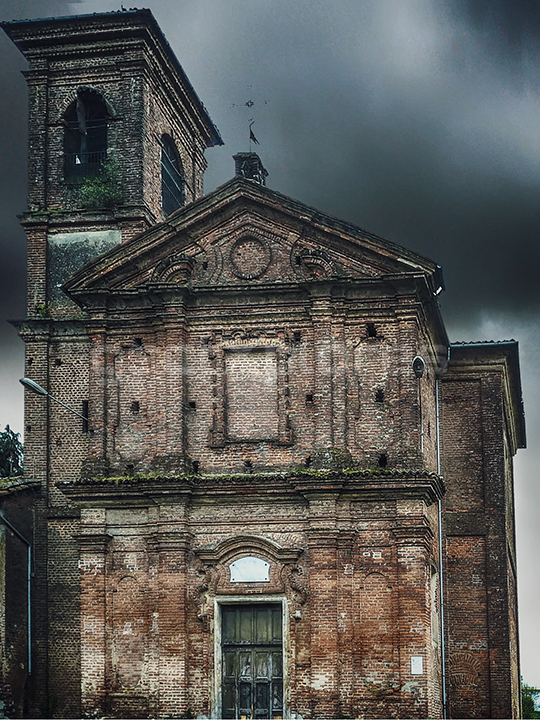
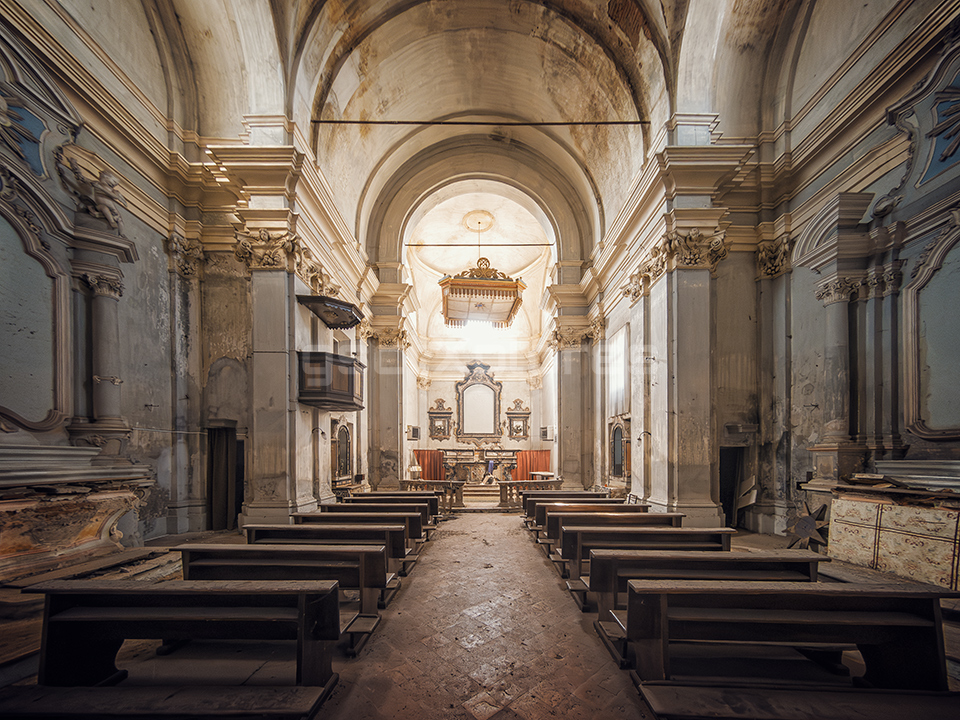
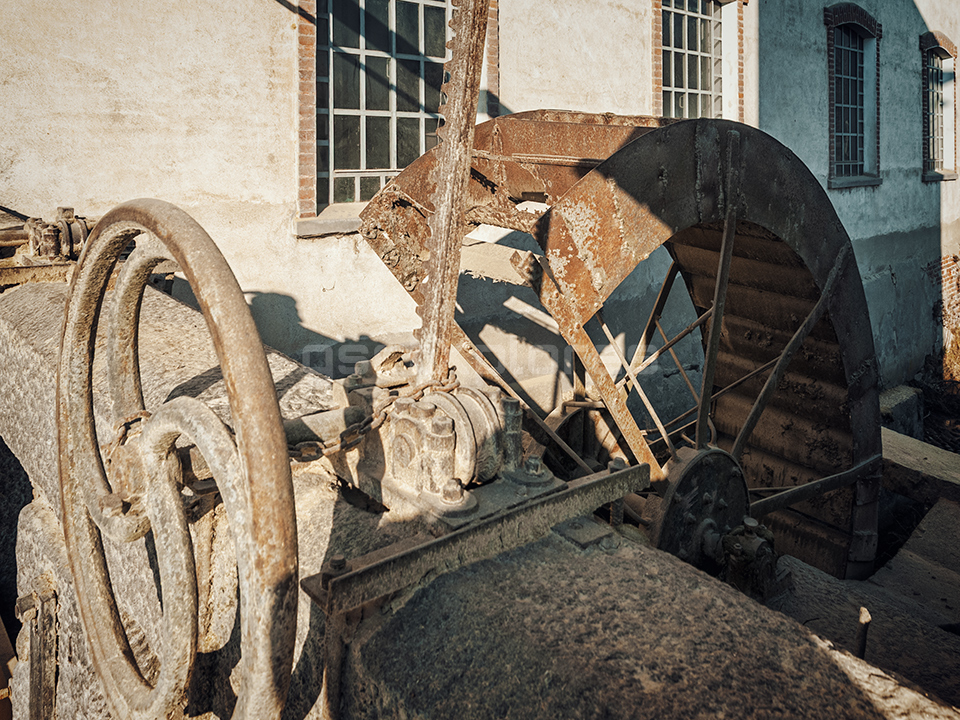
The origins of Leri date back to the 11th century when Cistercian monks undertook land reclamation efforts in the area, transforming it into fertile rice-growing land. By 1179, the estate was acquired by the San Genuario monastery, which included a now-vanished fortified settlement, highlighting its early strategic importance. Over the centuries, Leri grew into a religious and agricultural hub, becoming a center of worship for the Cistercians by 1457 and later a parish by the late 16th century. Throughout the 18th and 19th centuries, the landscape evolved further with improvements in water management and shifts in agricultural practices, reflecting the region’s ongoing development.
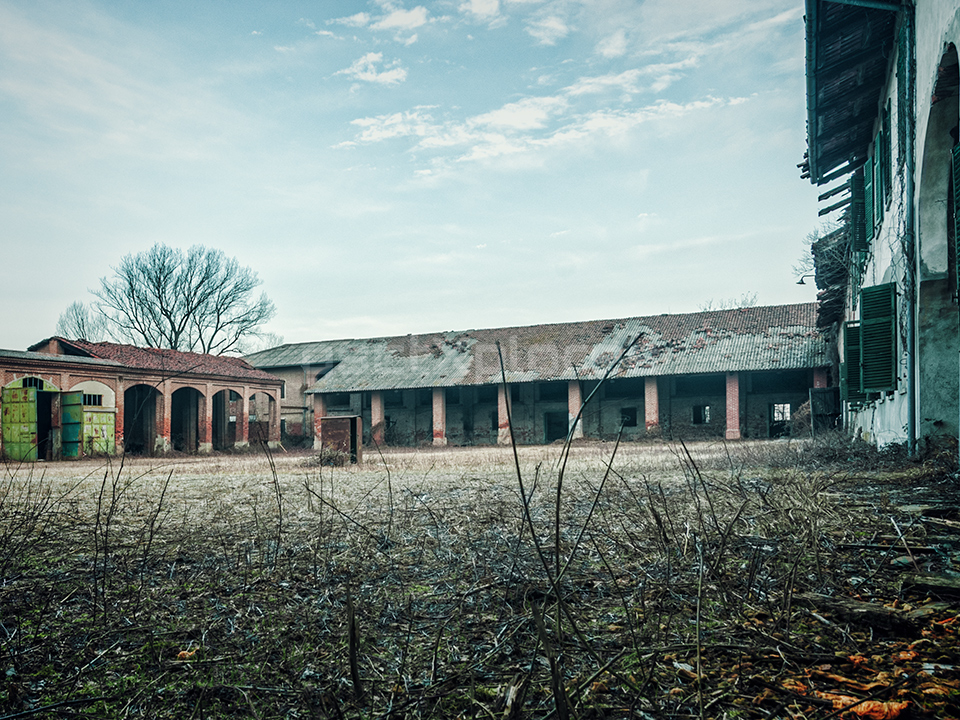
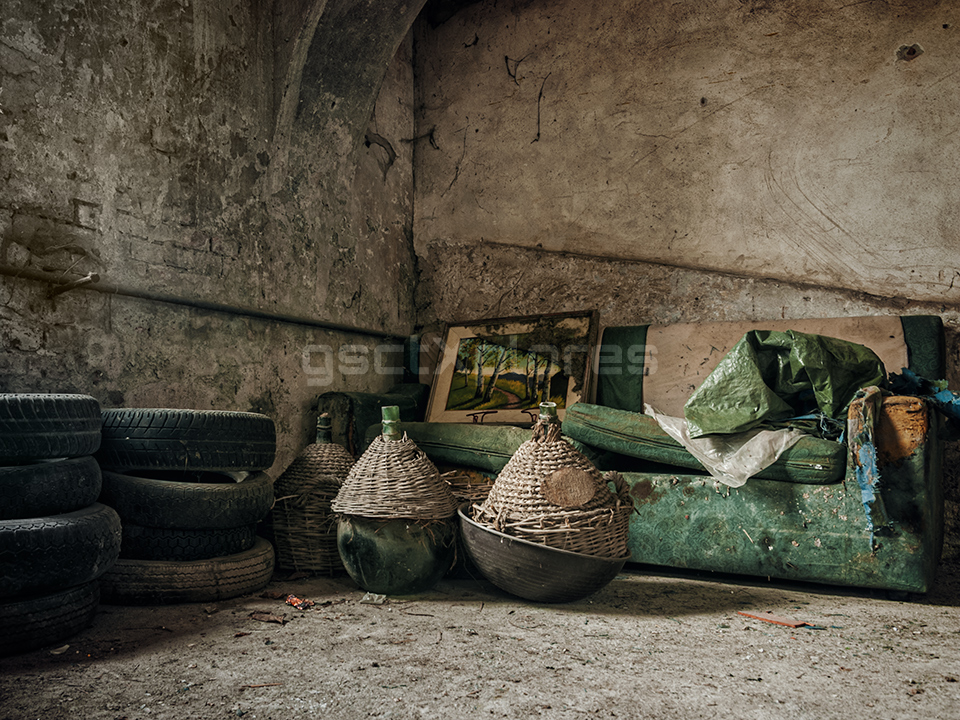

In the early 1800s, during the Napoleonic era, the estate changed hands from the Bonaparte family to Marquis Michele Benso di Cavour. The Benso family transformed Leri into a modern agricultural enterprise, renovating buildings and implementing advanced land management techniques. Camillo Benso was entrusted with managing the estate, which he did through a partnership established in 1835. Despite his political commitments, he found solace in Leri, where he and his associate Corio experimented with cultivation techniques for Piedmont, demonstrating his attachment to the land.
Cavour’s management of Leri was not merely agricultural but also experimental. His work on the estate served as a retreat from political life, providing a space for agricultural innovation and reflection. Camillo’s ongoing interest in the land reflects his belief in progress and modernization, principles he would later apply on a national scale. The estate functioned as a personal sanctuary, where he refined cultivation methods and infrastructure improvements, embodying his pragmatic approach to problem-solving and development.
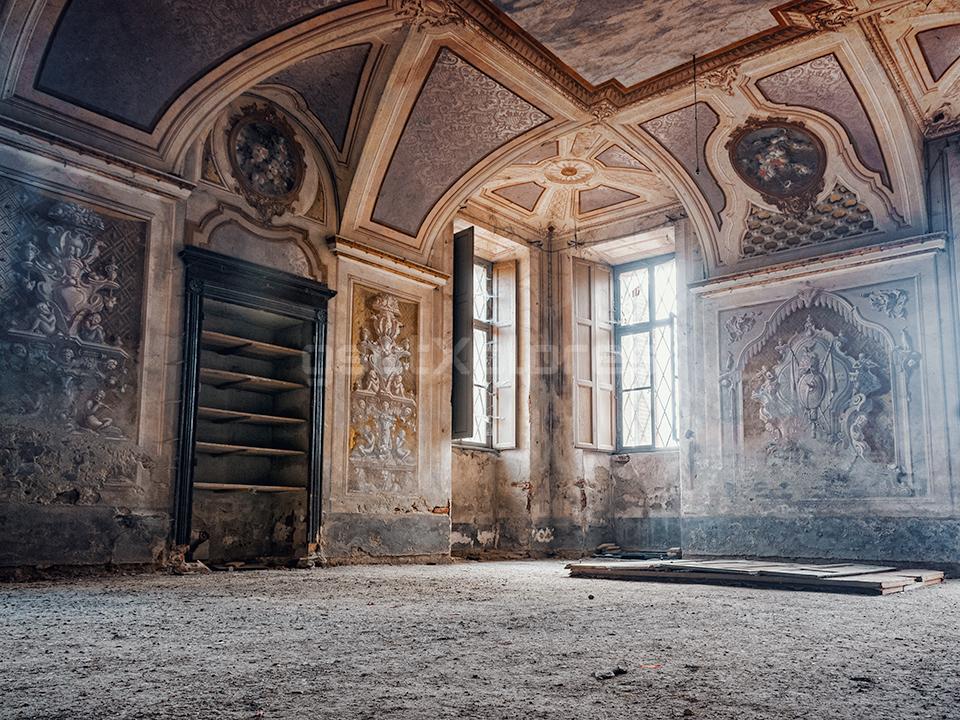
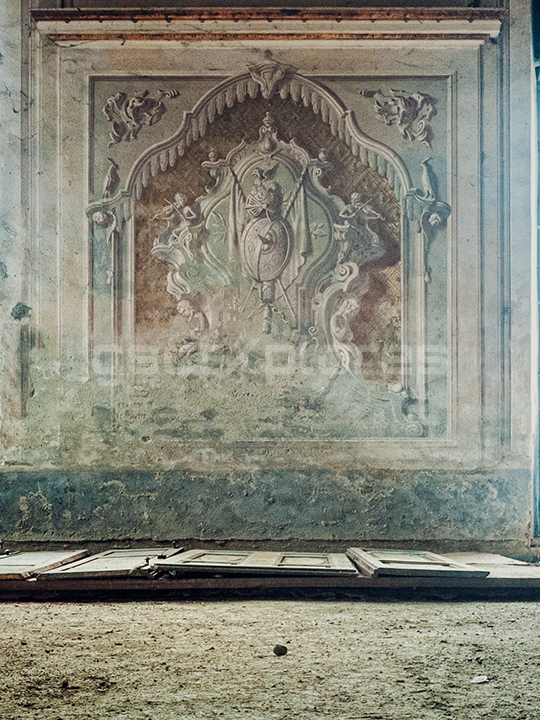
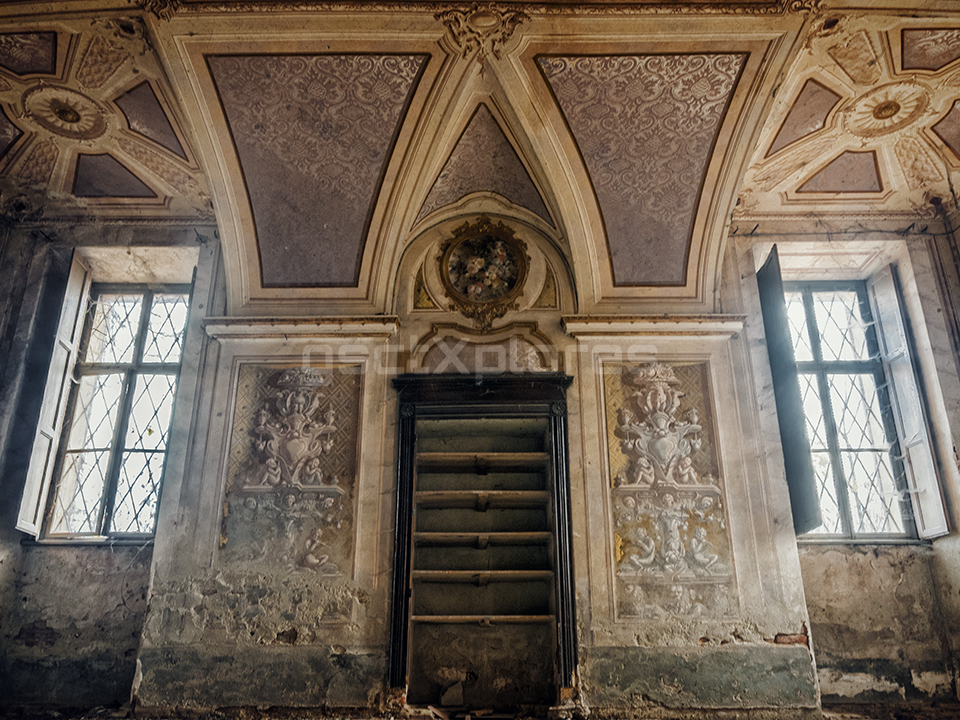
The 20th century brought industrial progress to the region, exemplified by the construction of the Galileo Ferraris thermoelectric power plant in the 1990s. Originally planned as a nuclear facility, it was built as a combined-cycle plant following a 1987 referendum, symbolizing regional industrial evolution. However, the area’s history also includes decline; Leri was inhabited until the 1960s but faced depopulation and structural abandonment due to modernization, environmental challenges, and economic shifts. By the early 1980s, the power plant’s personnel had left, marking the end of Leri’s active use.
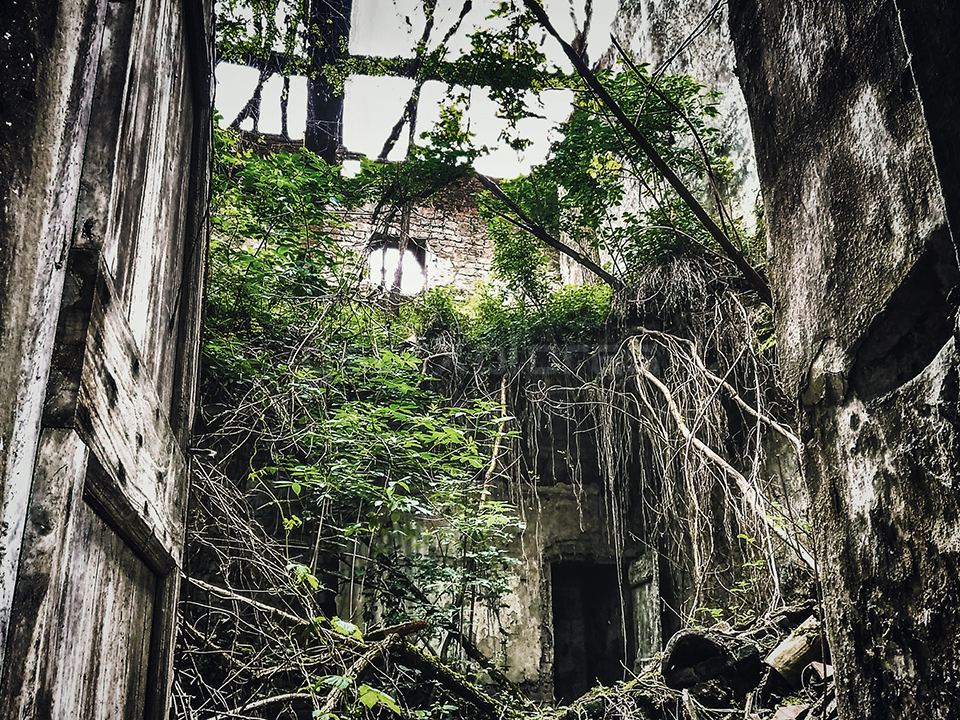
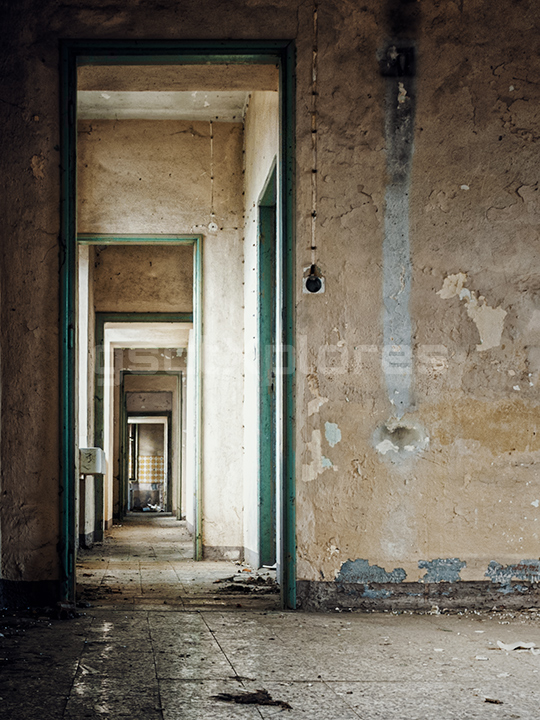
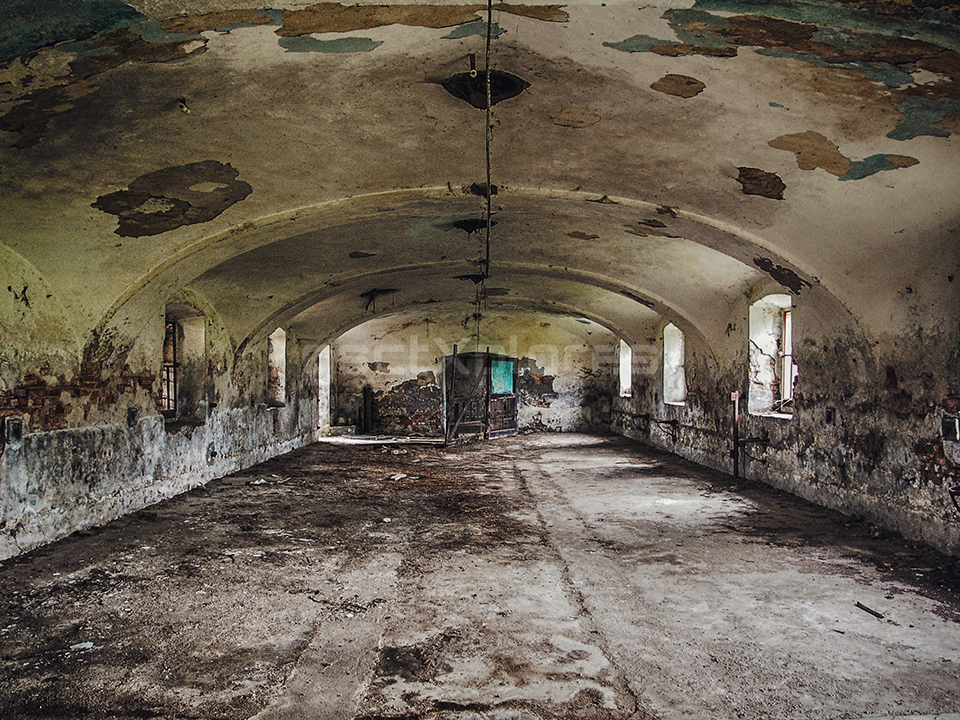
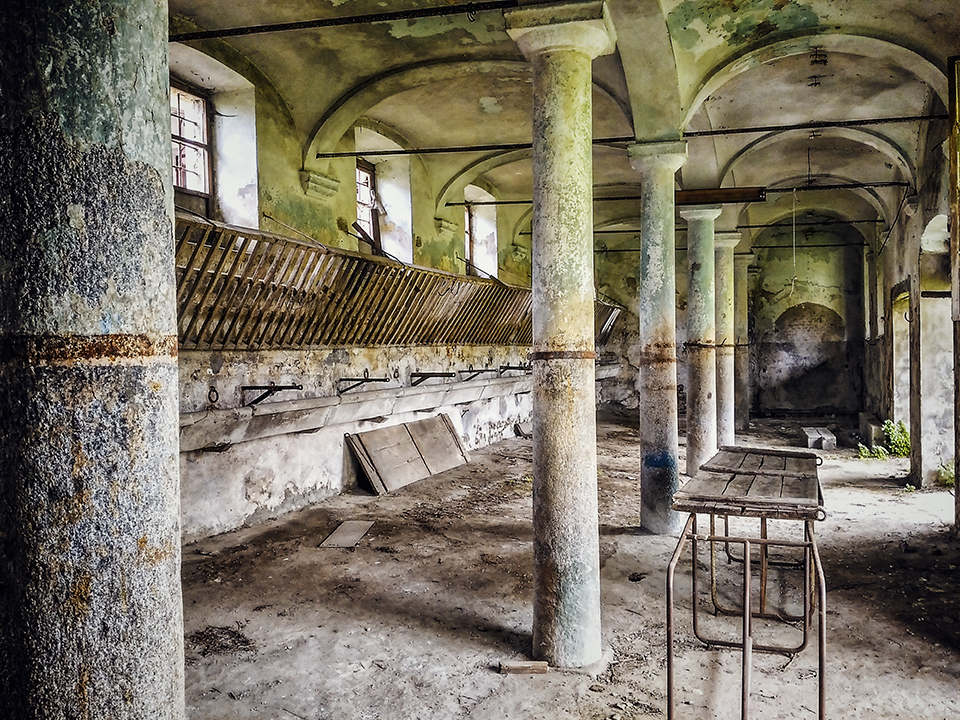
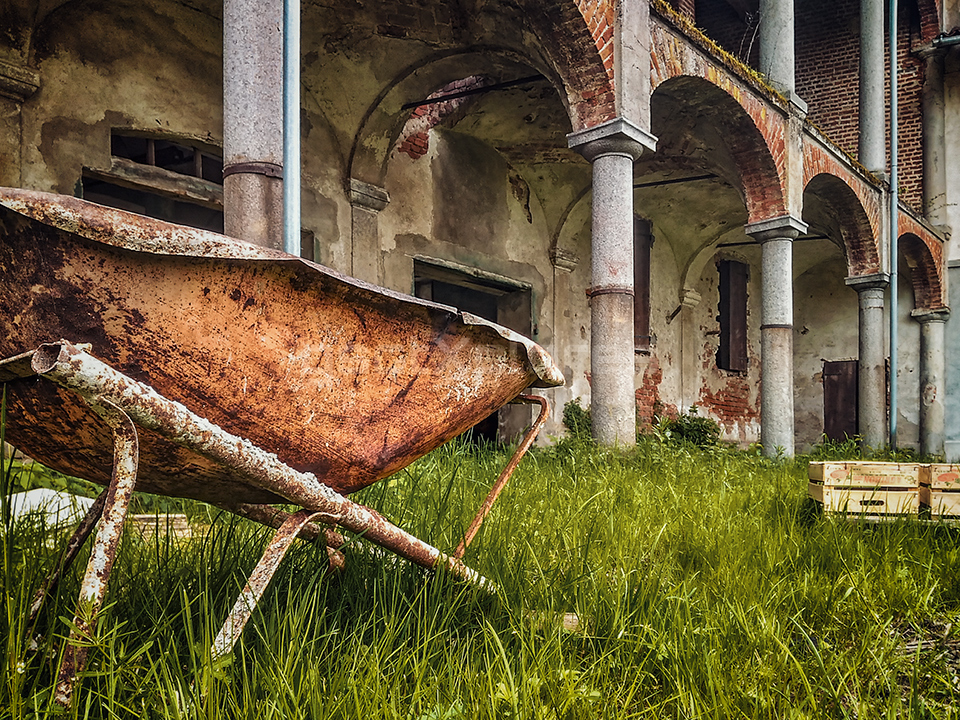
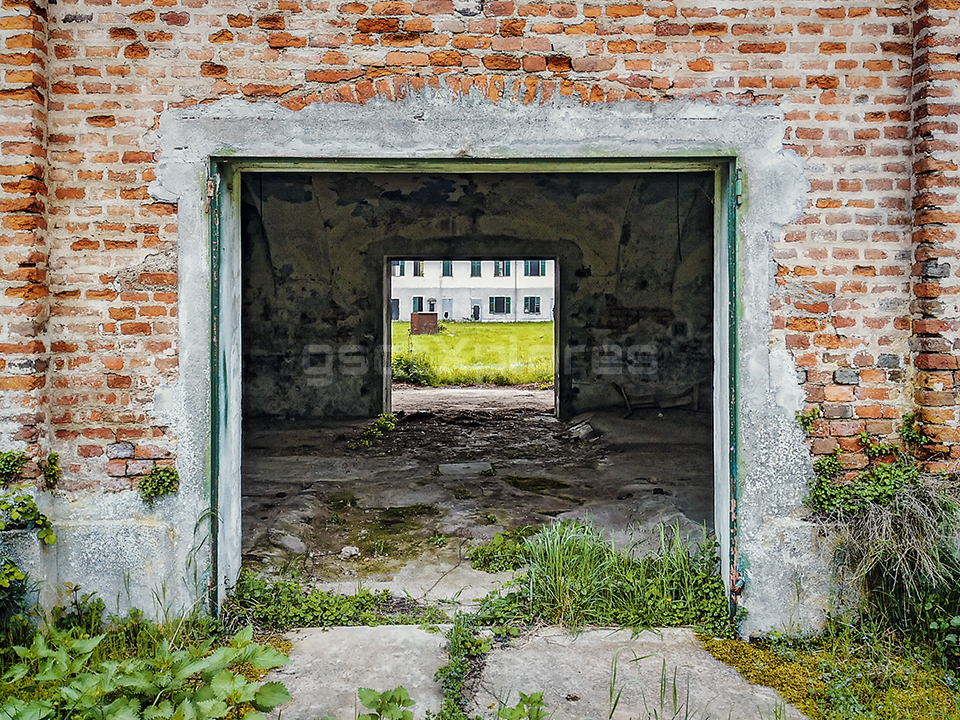
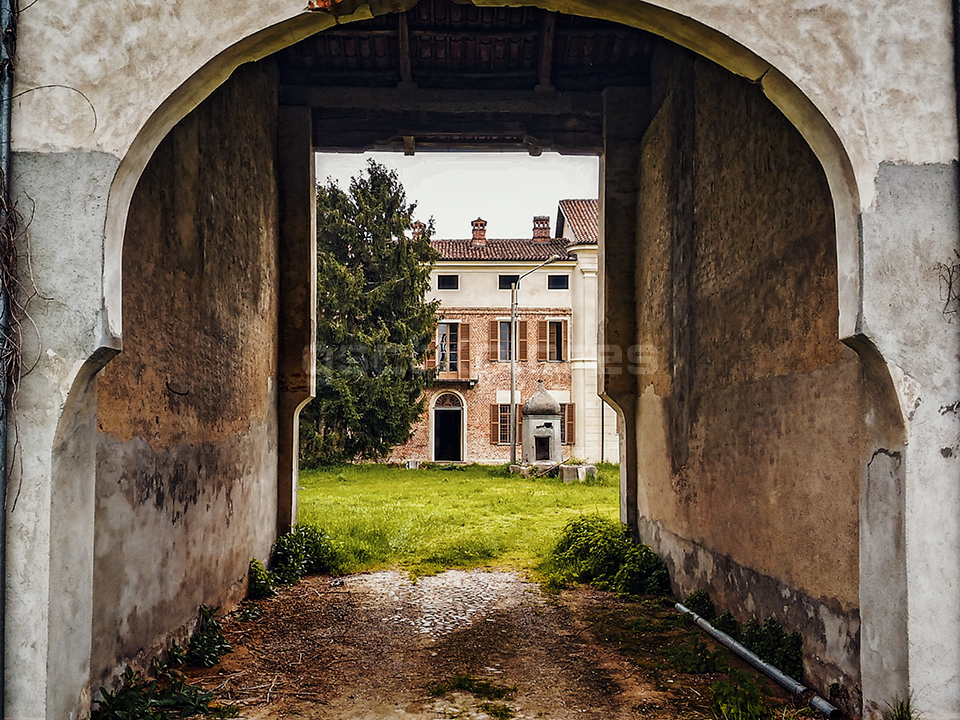
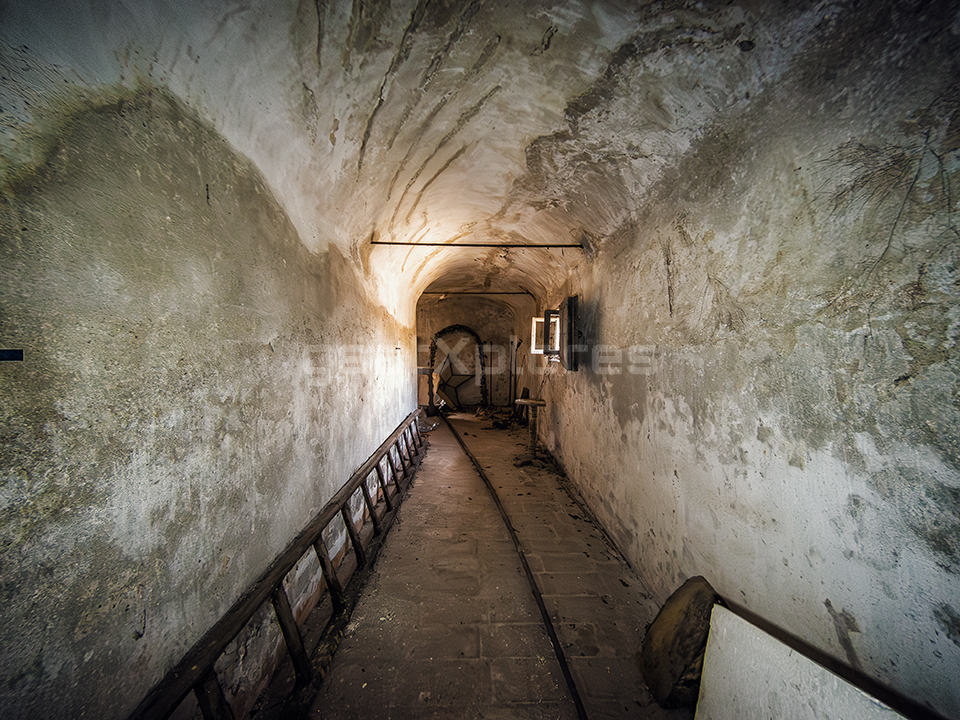
Today, Leri stands entirely uninhabited, a silent witness to centuries of transformation—from a religious and agricultural site to an industrial hub and ultimately a region of abandonment. The remains of the estate and the power plant serve as historical markers of Cavour’s legacy and the region’s enduring evolution. The story of Leri mirrors Camillo Benso’s own journey: rooted in tradition yet driven by modernization and progress, reflecting his lifelong dedication to nation-building and innovation.
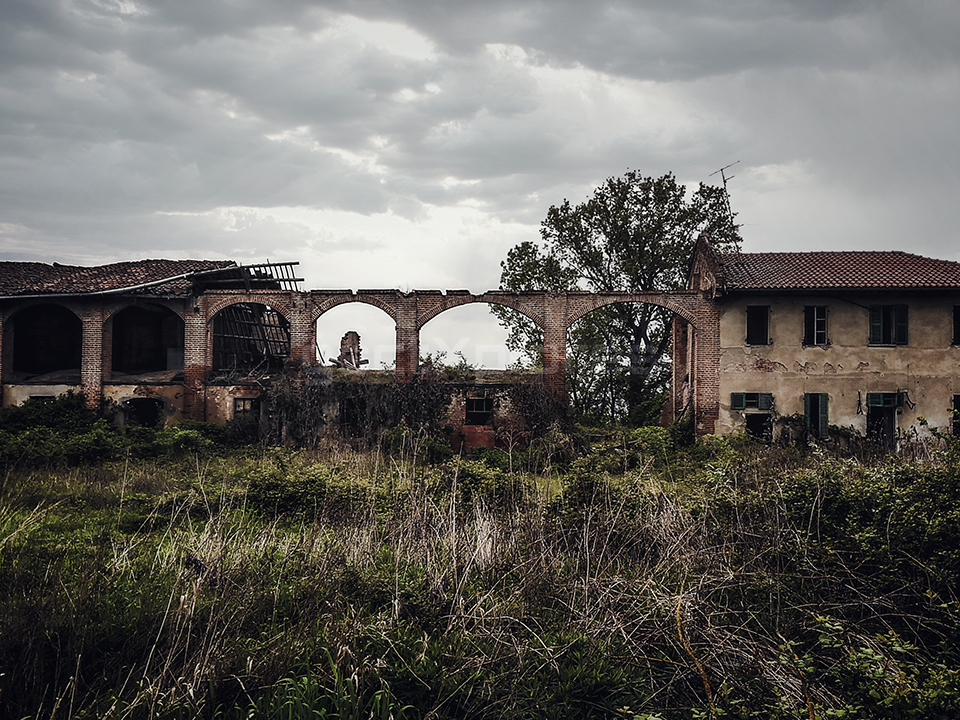
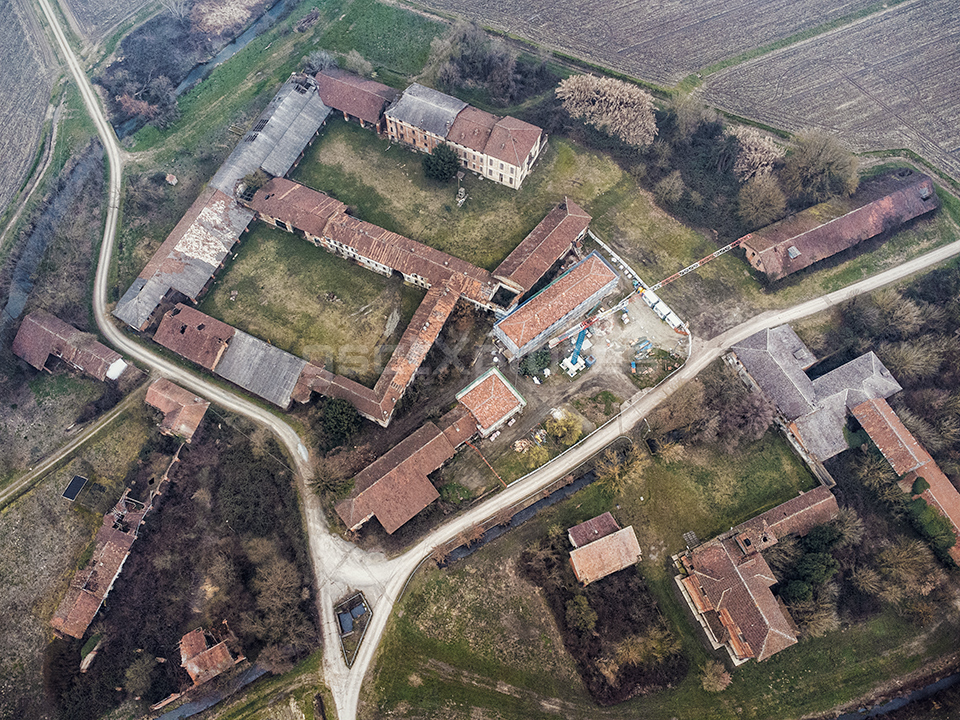
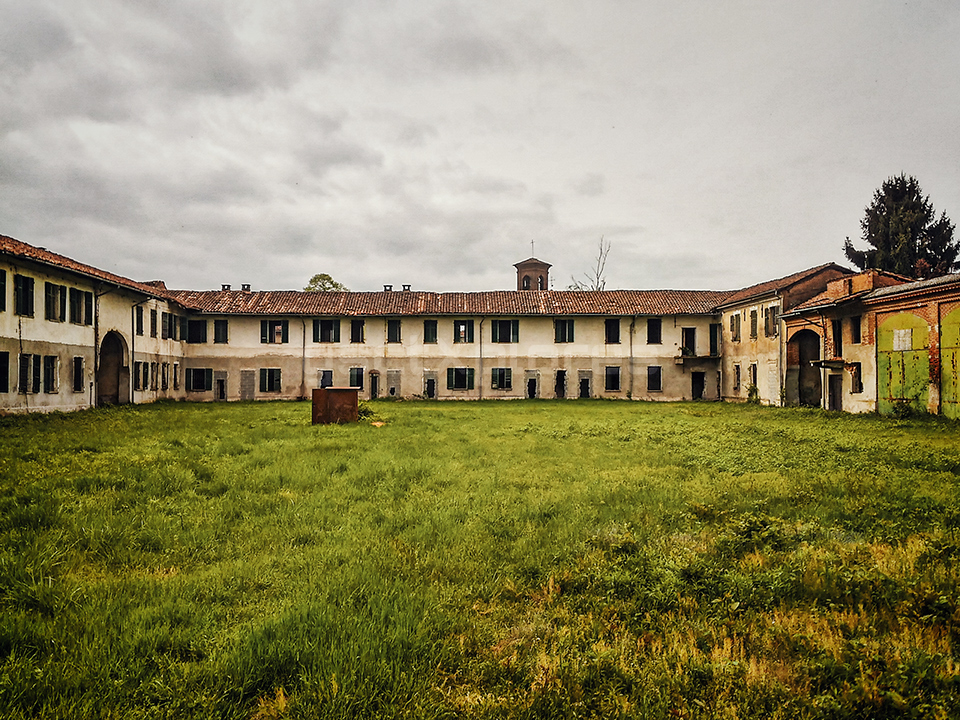
Inextricably linked to his personal history and political legacy, the estate of Leri Cavour exemplifies the broader narrative of Italy’s unification—a transformation from fragmented states to a unified nation. Camillo Benso’s early work managing the estate and his experiments with agriculture symbolize his pragmatic approach to progress, which he later applied to his national policies. His death in 1861 marked the culmination of his efforts, yet the land he once cultivated continues to tell the story of a man who shaped Italy’s destiny, from the fertile fields of Leri to the very formation of the modern Italian state.
Thanks for reading this article. If you made it this far, please enjoy the short drone footage just below, and further down, the complete gallery of photos shot in the last 10 years from 2016 up until 2026.