Xploration date 04/04/2024
In the late 1700s an Italian count was granted a castle and land as a reward for his service to the state. After years of renovation and a later conversion to a monastery this abandoned building holds many secrets.
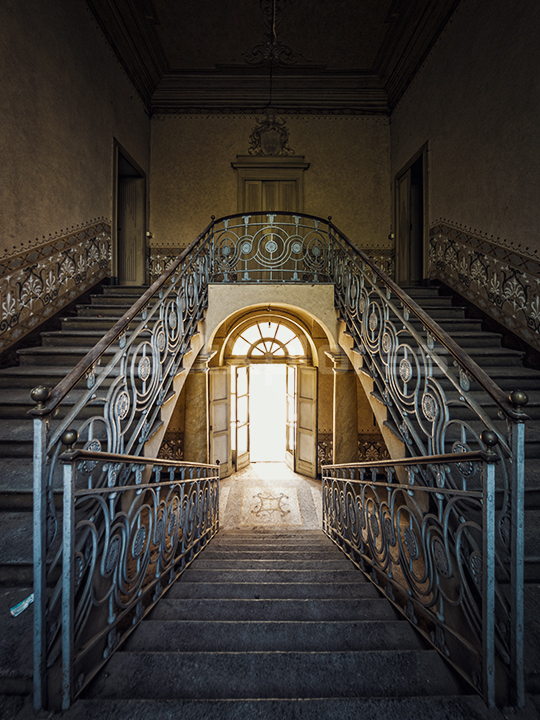
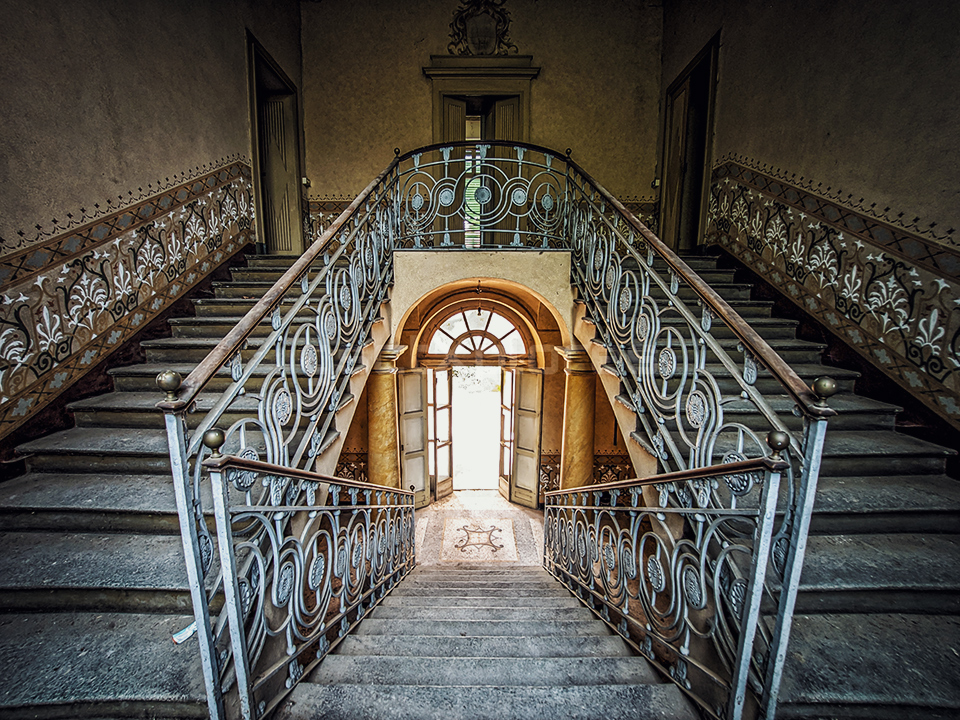
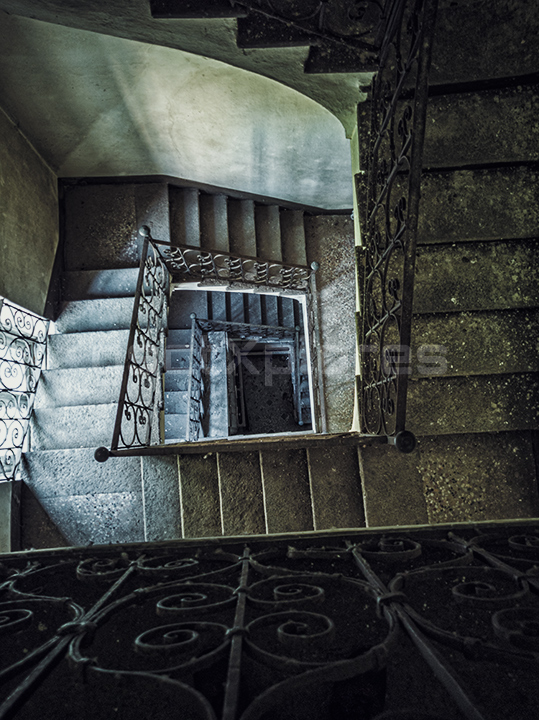
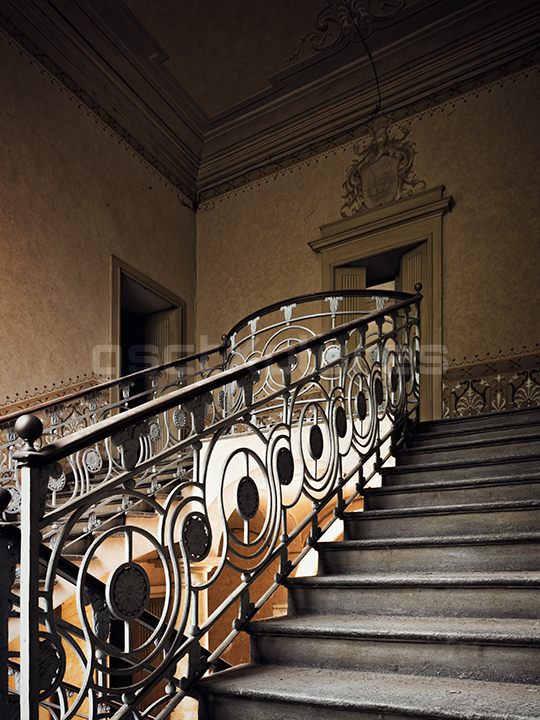
In the hills of northern Italy resides a former castle whose nobel origins were later transformed for religious purposes. A modest colonnade entrance greets visitors that upon entering find themselves in front of a split staircase that is characterised by a long oval window, mosaic floors and eclectically decorated walls and ceilings.
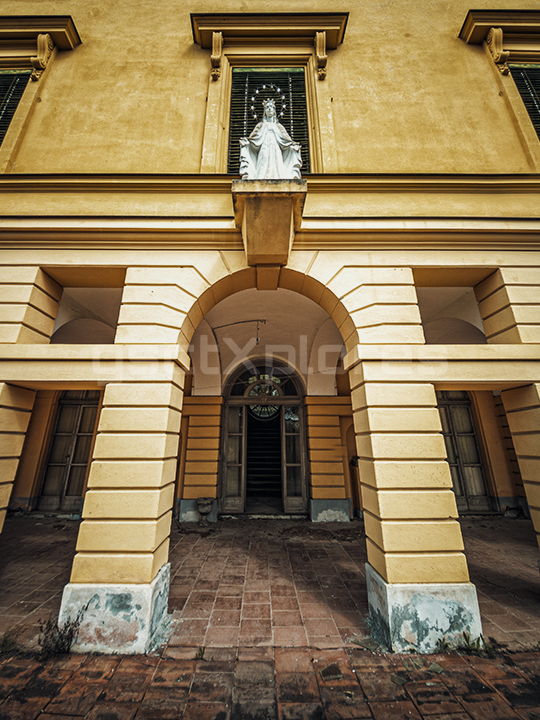
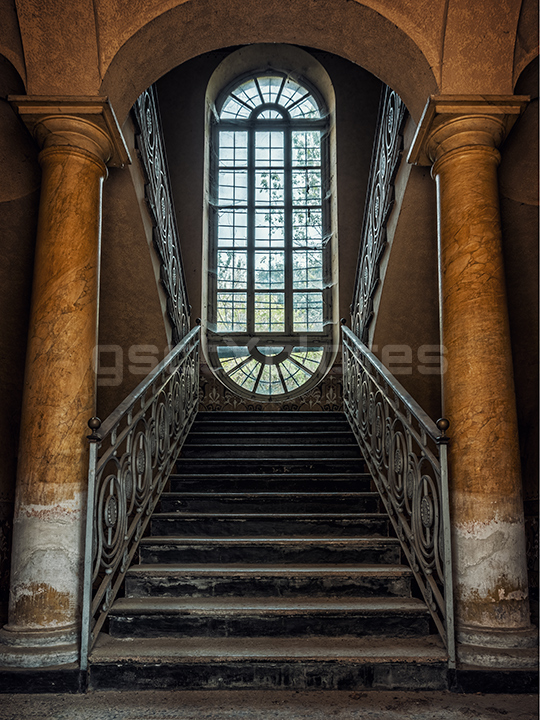
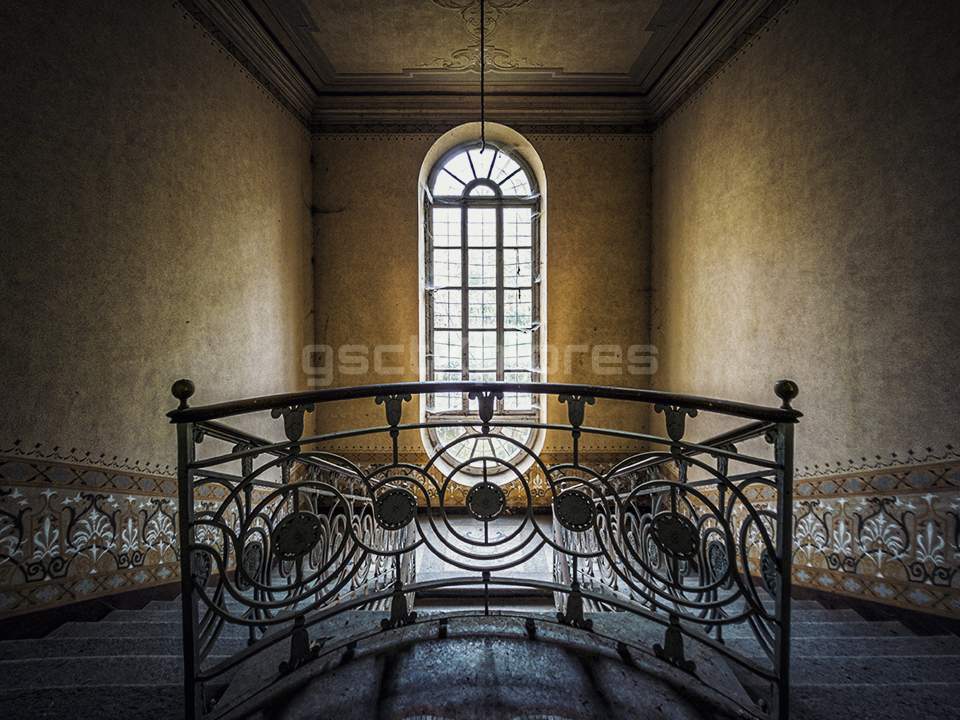
Villa Magnificat was commissioned by Baron Filiberto Antonio di Vallesa, who had been granted a county by Duke Vittorio Amedeo II in 1732 as a reward for his service as governor during the siege of Turin. The building was initially a modest residential castle with a small garden that Count Alessandro Vallesa, Major General of the Royal Armies and Minister of State, with the help of the architect Talucchi, transformed into a spacious and magnificent palace in 1818.
Even if the Italian urban exploration community has given this villa the nickname “Villa Magnificat”, a name whose religious meaning reflect the modern usage of this building, as soon as one enters the main hall located on the first floor, one can be forgiven for mistaking that nickname for magnificent, and it’s not difficult to see why.
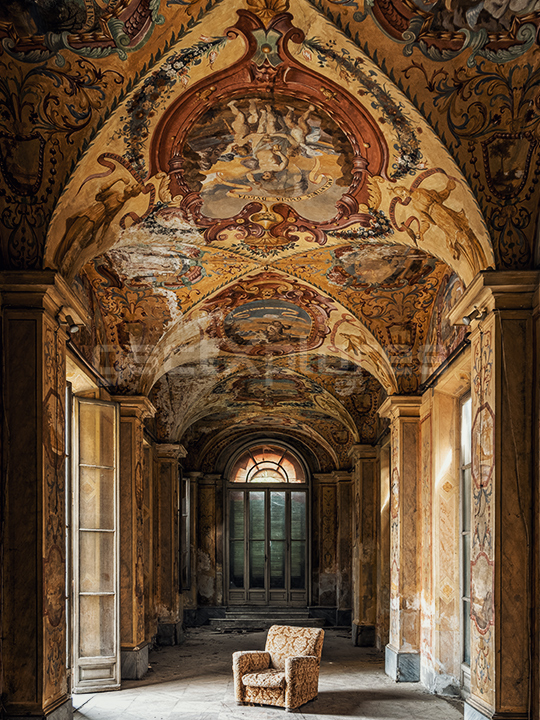
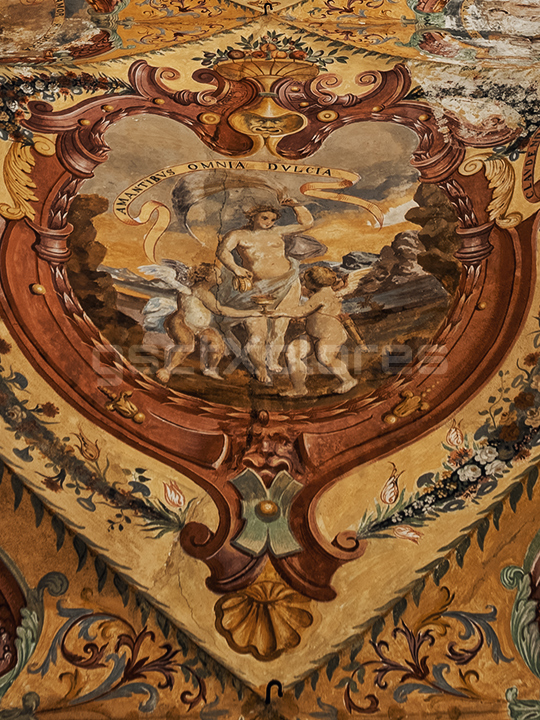
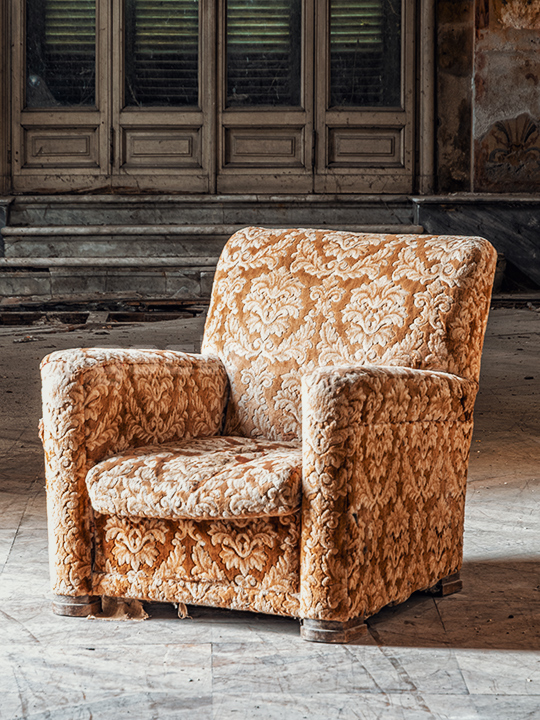
The long decorated narrow room is adorned with a pale orange colour with religious frescos which line the walls and ceilings. Curved arches, tall columns and a dusty wooden parchet floor only enhance the impact of this beautiful hallway.
The villa is large and comprised of 3 floors and a loft which are connected via diverse winding stair cases. In stark contrast with many of the other rooms present in this building, an elegant wooden hallway and toilet can be found at the base of the stairs. The wooden walls create a closed and almost claustrophobic hallway which leads to a large empty room complete with a firecase, wood-beamed ceiling and traces of the original wallpaper.
Upon Count Alessandro’s death in 1823, the property passed to his daughter, Countess Rosalia Roero di Guarene, and then to his son, Count Alessandro. From 1885, the villa and castle were owned by Count Severino, a senator of the Italian Kingdom, who, in addition to the conservation work on the castle, made numerous improvements to the villa. In 1890, the architect d’Andrade, who also renovated Pavone Castle, carried out further renovations and embellishments to the building.
During the exploration of this former castle, it becomes increasingly apparent of the modern religious purpose of the building, that from 1939 to 2003 served as the seat of the Benedictine monastery of St Michael, housing semi-cloistered Cistercian Benedictine nuns. The rooms which are encountered are stark, empty and sterile, with simple white walls and tiled floors. Basement utility areas still contain heating equipment that probably served to keep the Benedictine nuns warm during the colder seasons.
The residents of the villa-turned-monastery were well looked after and a large kitchen, complete with a dumbwaiter served each floor. Incredibly, beyond the kitchen there is a service area, probably used for receiving fresh ingredients from the local town. Washing basins, that may have once been used for cleaning robes and such now remain covered in cobwebs. After the split staircase and frescoed hall, the next most notable part of this villa are the cellars. Long, deep and cool, these cellars were used to store food and keep fresh ingredients conserved for as much time as possible. Before the invention of fridges, this was one of the most effective ways of conserving food.
Together we have journeyed through a historic building which served many purposes throughout its life that covered almost 3 centuries. From residential castle, to elegant villa and finally a monastery. Whilst leaving this building, which gave a sense of peace during its visit, one can’t help but wonder what its future will hold or whether it will just remain another part of Italy’s history left to decay.
Please find below the video of the villa’s exploration and further down, the complete gallery of photos.