Xploration date 26/12/2017
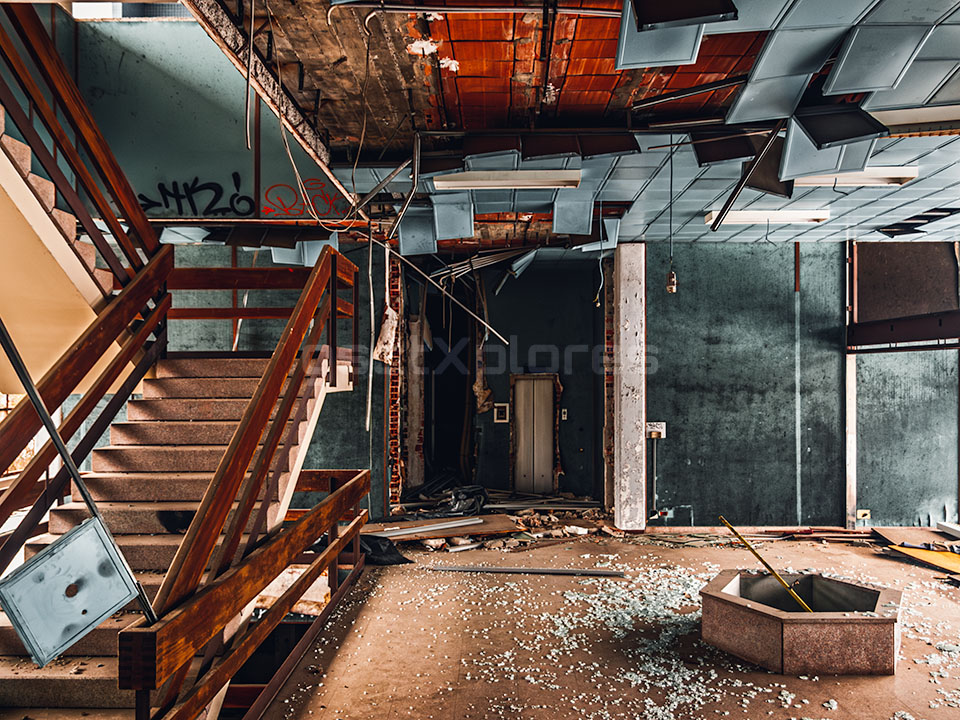
Commissioned by Olivetti, the Marxer pharmaceutical research laboratory and institute is an important example of Italian brutalist architecture. Although the research institute was abandoned in the 1990s, it still retains much of its charm.
Silvia Olivetti, the fourth daughter of Camillo Olivetti (founder of the world famous technological company Olivetti), fled to Argentina after graduating in medicine to escape the racial laws that were sweeping across Europe at the time. There, she held various positions in the family business and met the chemist Antoine Marxer, with whom she embarked on a pharmaceutical business venture and who later became her husband. In the mid-20th century, in memory of her late husband, she launched an innovative research laboratory that is still active today and is part of the German multinational Merck.
Antoine Marxer had an impressive academic background: he was a professor at the Chemistry Faculty of the Technical University of Berlin, director of the bacteriology and physiology lab at the German pharmaceutical company Schering AG (now acquired by Bayer), and taught chemotherapy at the pharmacy faculty of the University of Strasbourg.
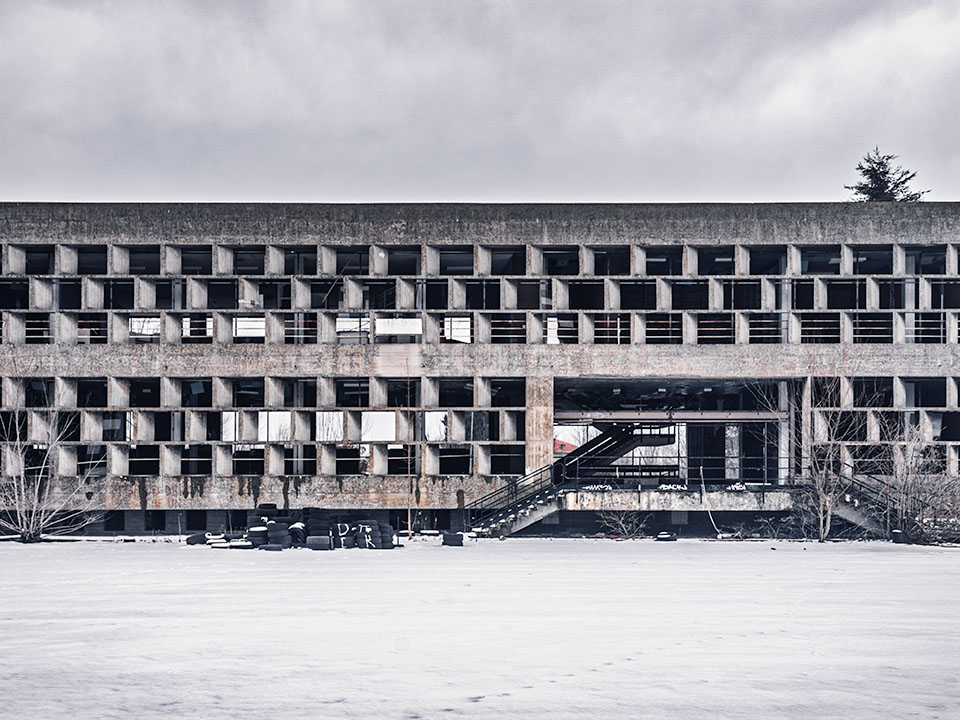
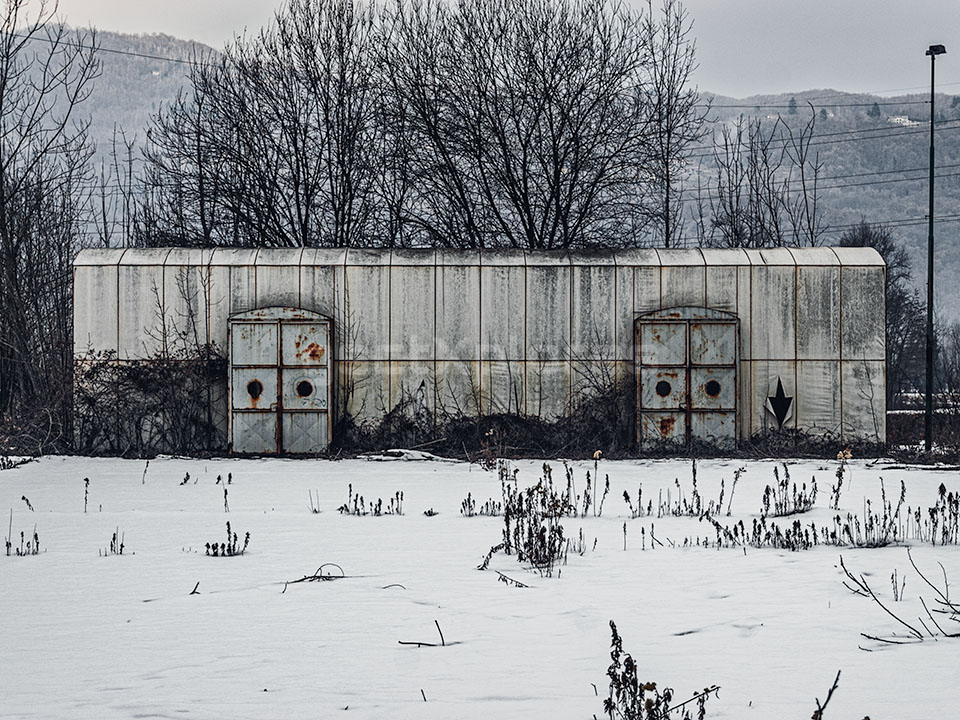
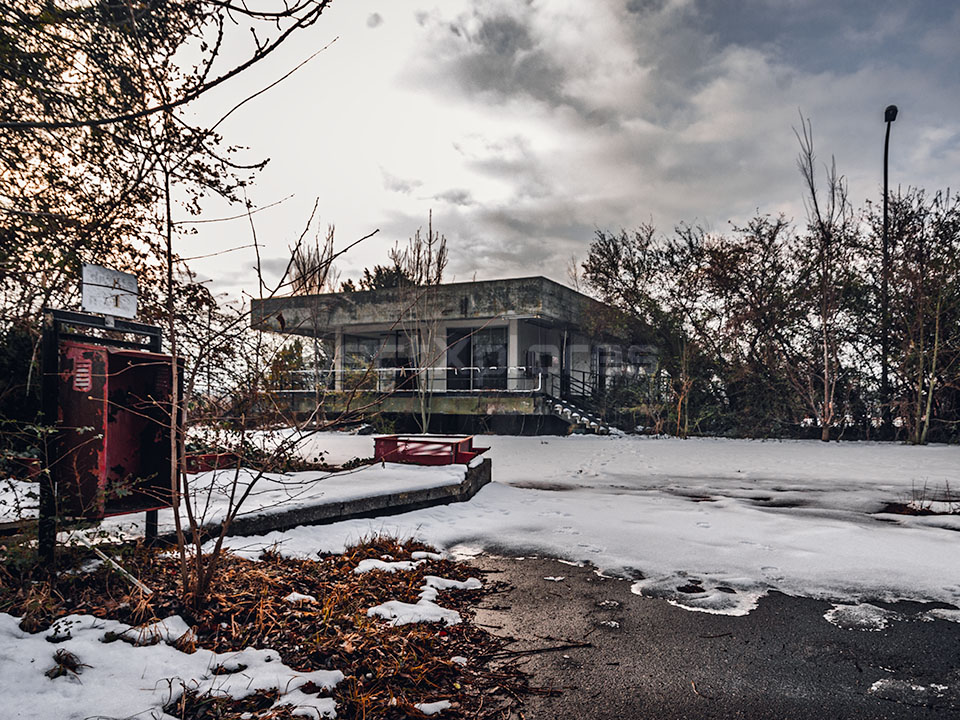
After the death of Marxer, the Milanese architect Alberto Galardi designed the research center in 1959 at the request of Adriano Olivetti. The building was inaugurated in 1962 and housed the laboratories and research of the Italian company Marxer for over twenty years. Starting in 1990, it began its progressive abandonment, leading to its current state.
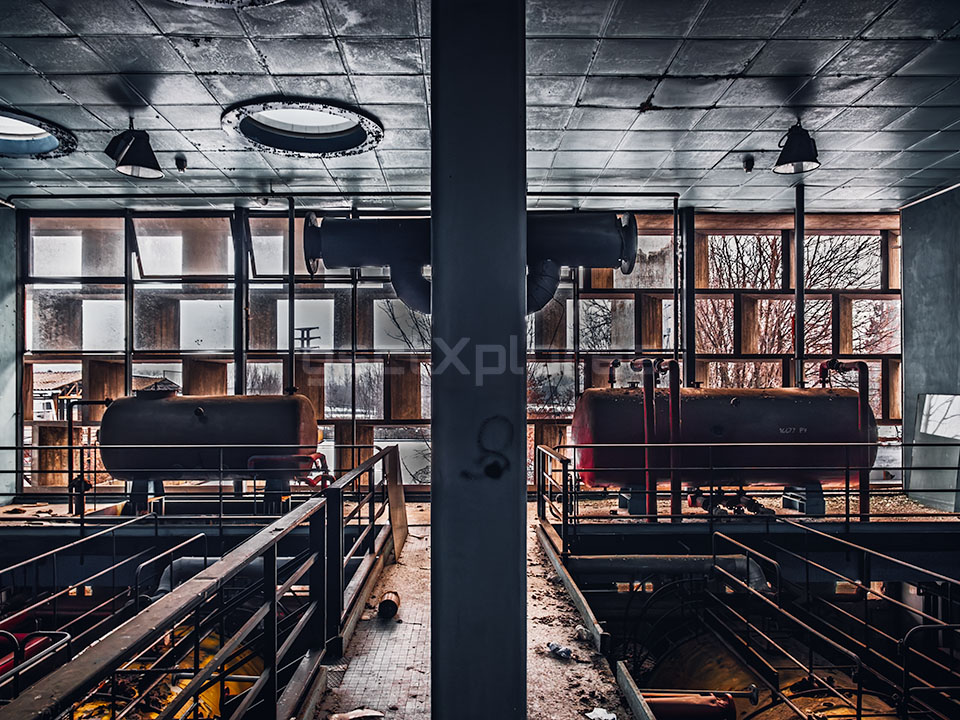
Adriano Olivetti and Alberto Galardi developed this new complex outside the city, providing an environment where employees could discuss work freely in a peacful green area. The complex consists of four concrete buildings, with sun-exposed facades protected by concrete screens that also serve as key structural elements. The large production laboratory was designed to be very bright and hence use sun light. Many circular skylights made of Perspex were incorporated into the roof and characterise the laboratory.
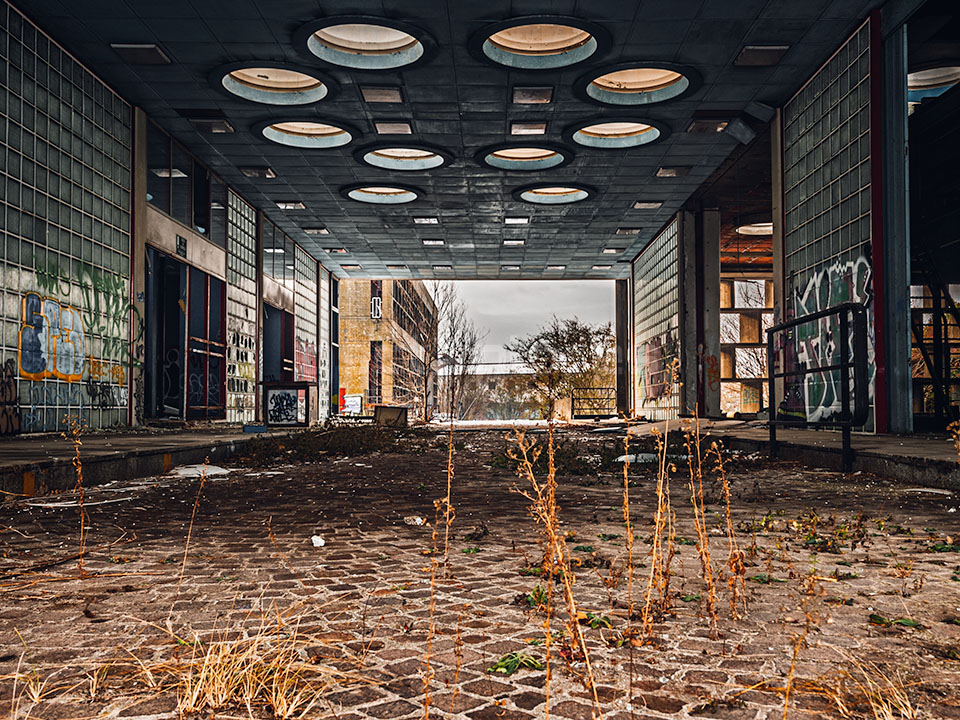
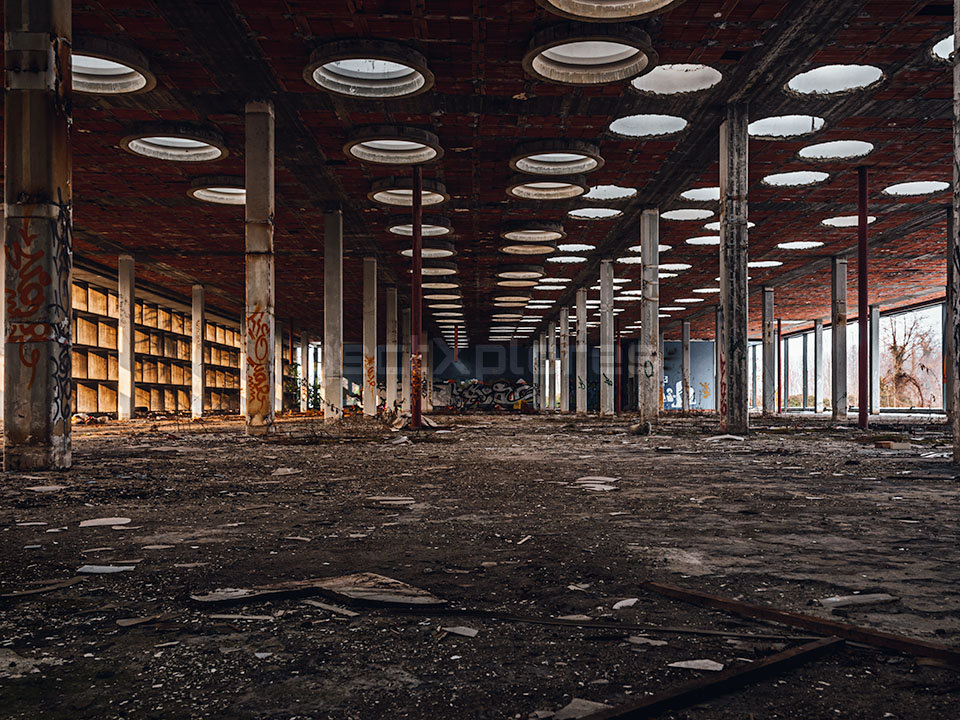
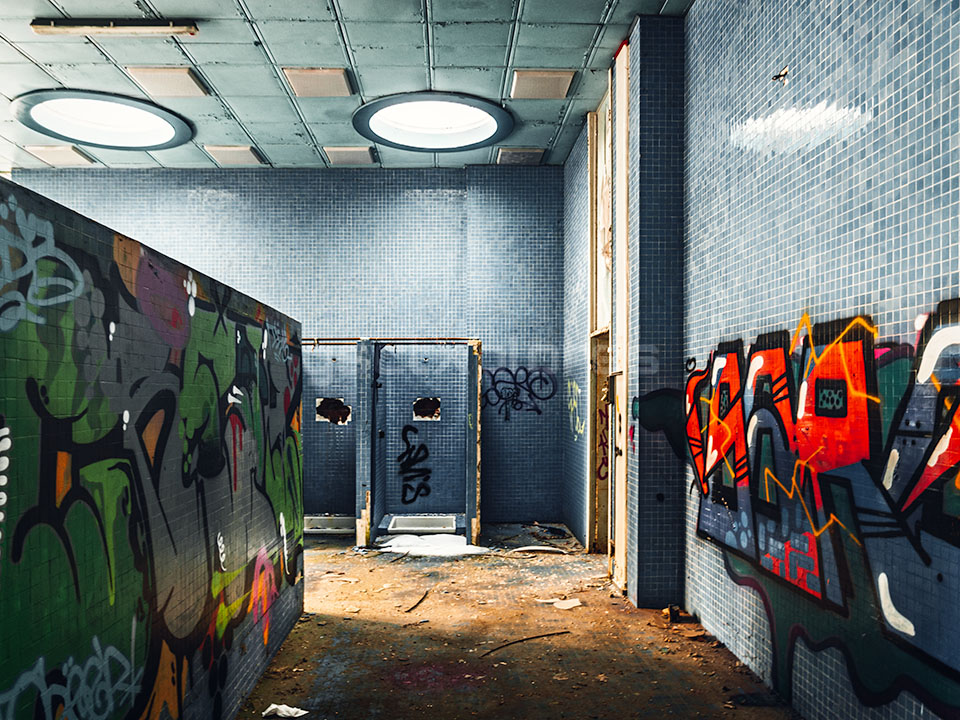
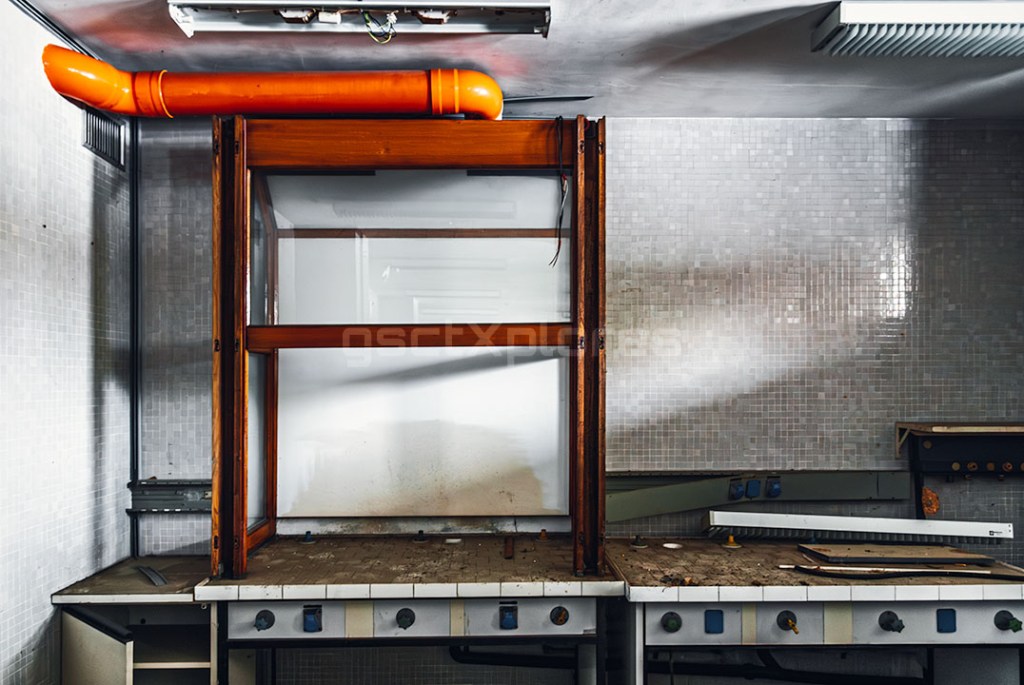
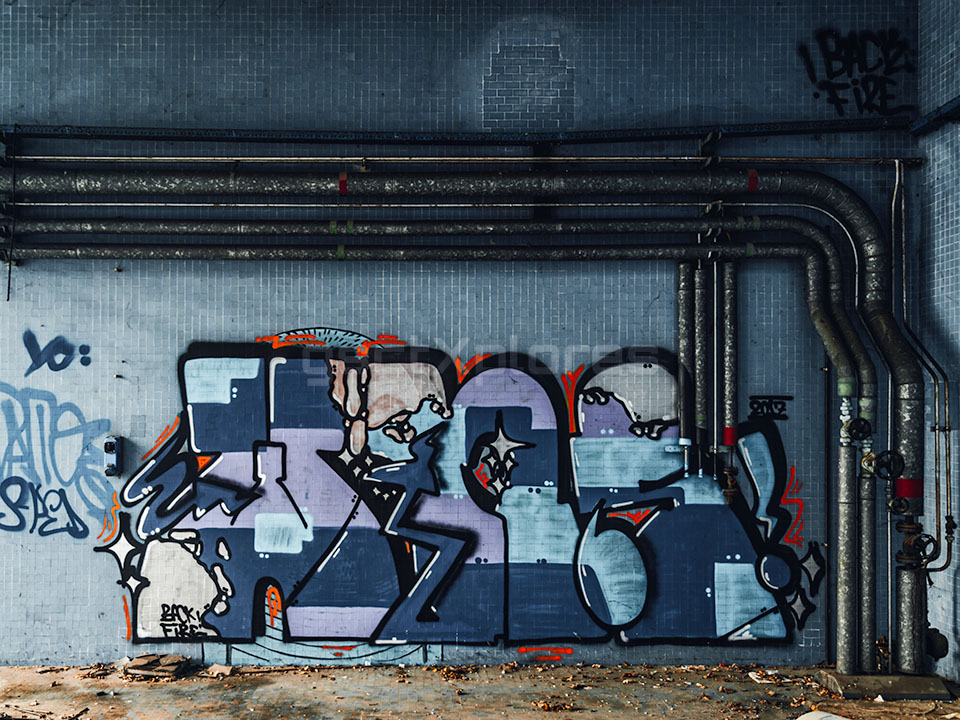
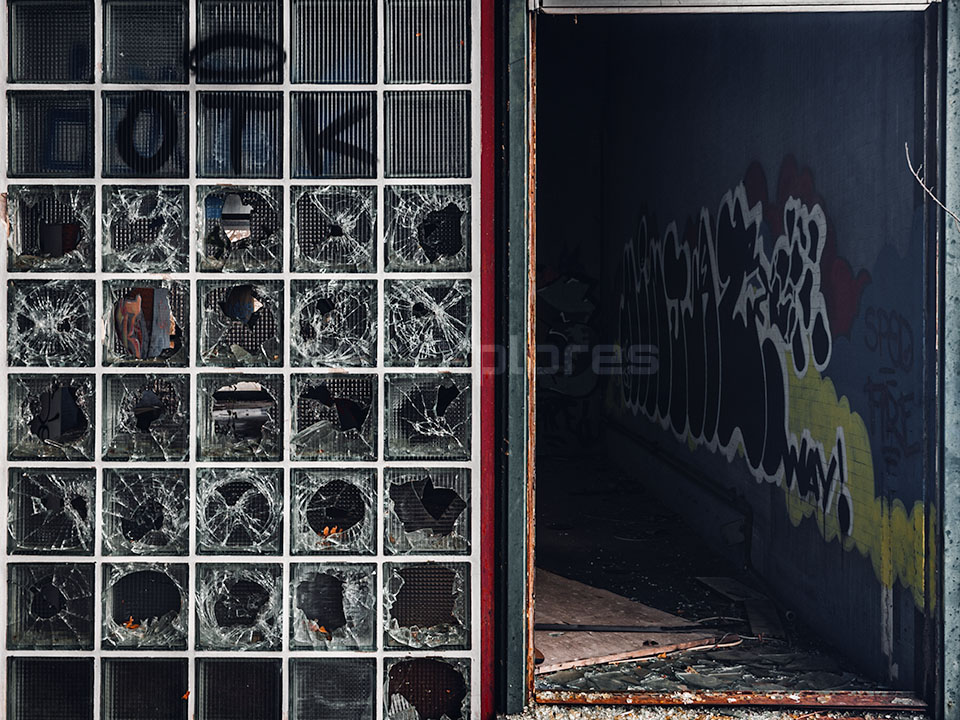
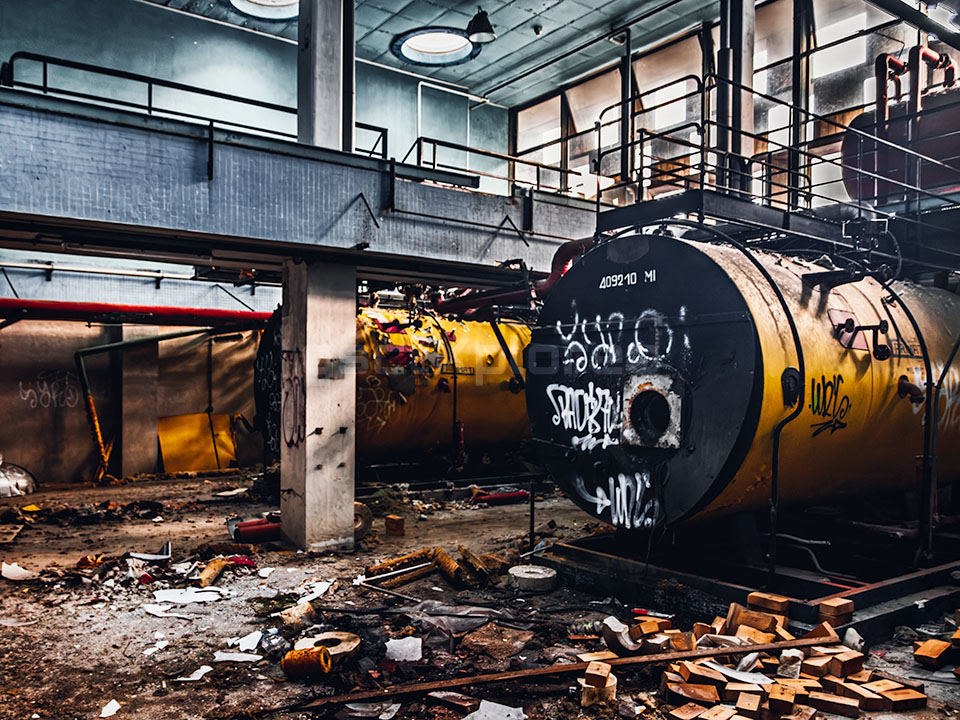
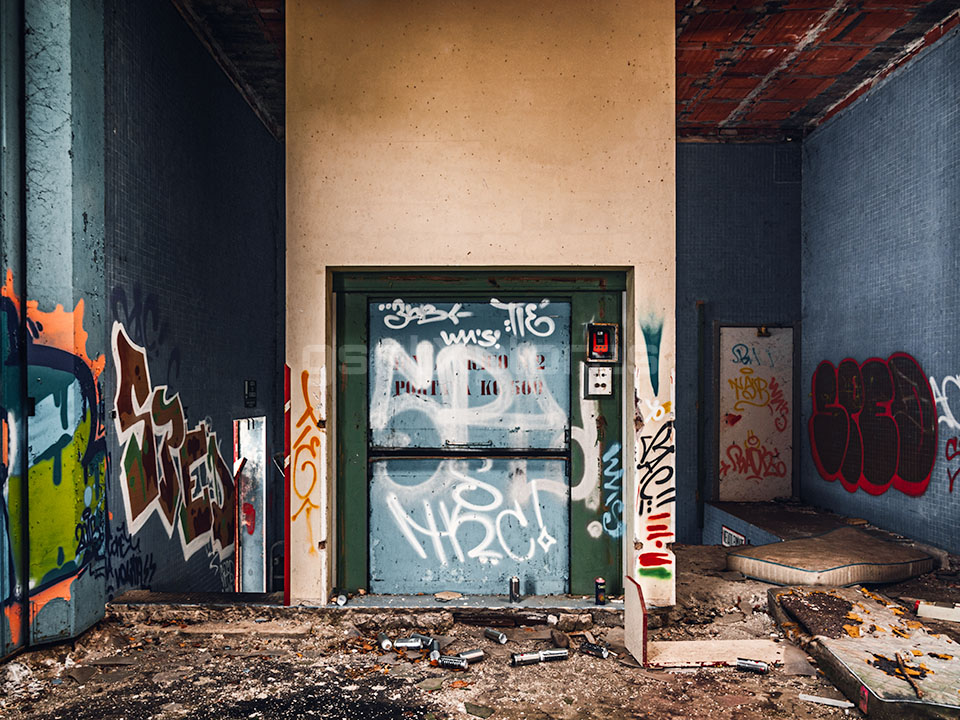
Significant research in bacteriology, microbiology, and virology took place at this deserted research facility. After experiencing multiple ownership transitions and briefly serving as a call center and an outdoor go-kart track, it was eventually left to deteriorate. For several years, it was monitored by security and was the focus of various proposed restoration initiatives that never came to fruition. In 2018, it suffered extensive damage during a rave event. Currently, it stands in a state of disrepair, marking a sad conclusion for what was once a cutting-edge architectural endeavor, still recognized as an important example of Italian brutalist design and a major contributor to scientific research in the country.
The remnants of Marxer, which later became the Marxer Biomedical Research Institute (RBM), are located next to a Bioindustry Park in an industrial area that once belonged to Olivetti and was later sold. In 1982, the Swiss multinational Serono, which operated in the field of pharmaceutical biotechnology, began acquiring shares in Marxer-RBM and eventually owned 100% of the share capital by 2007.
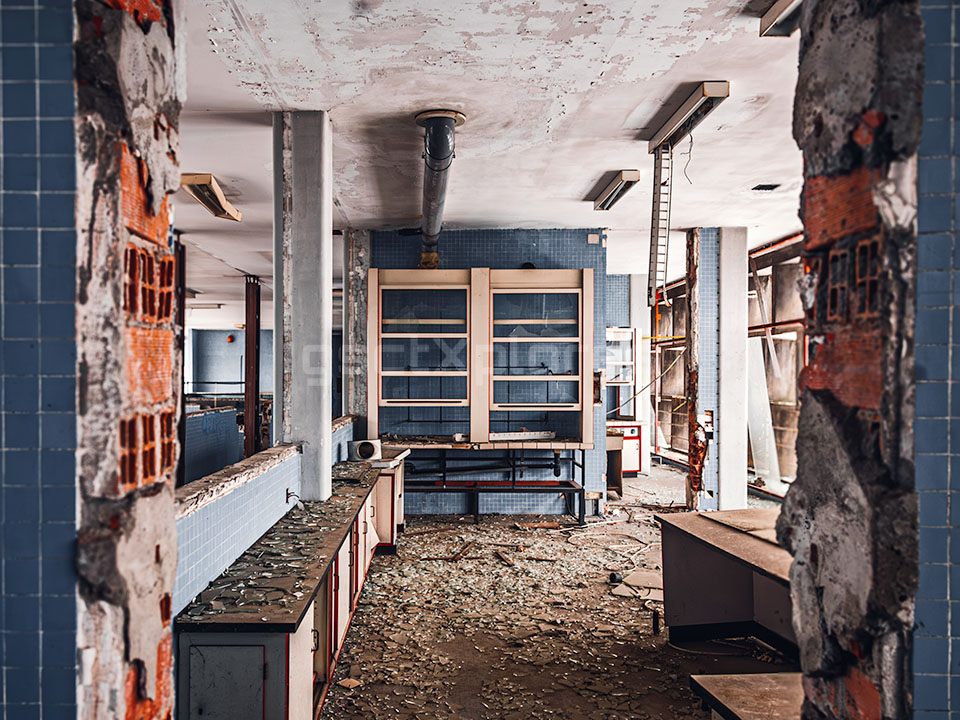
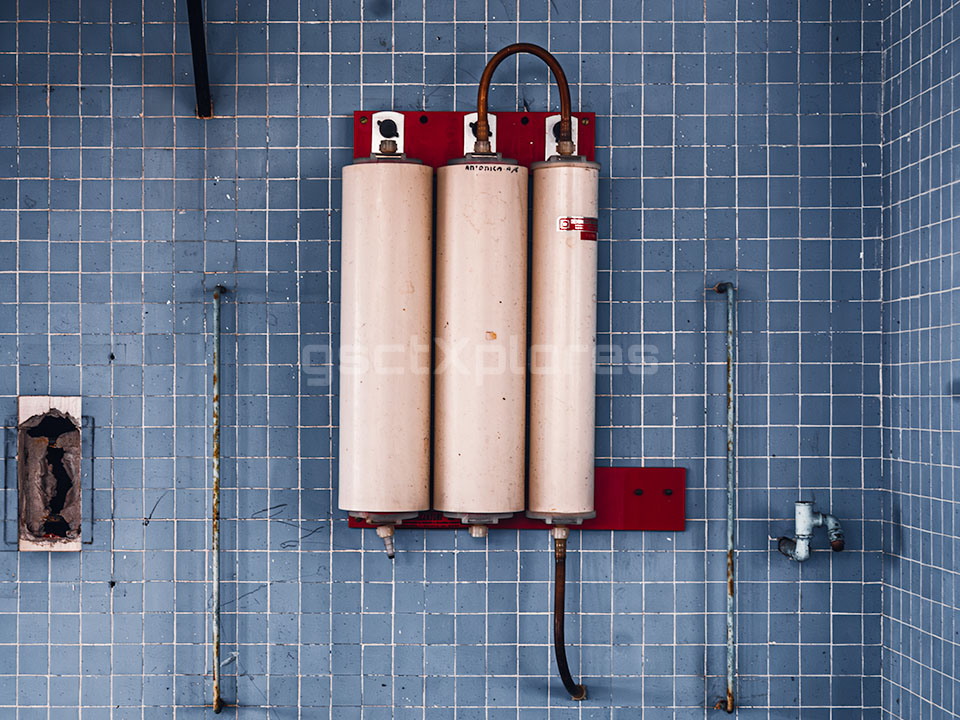
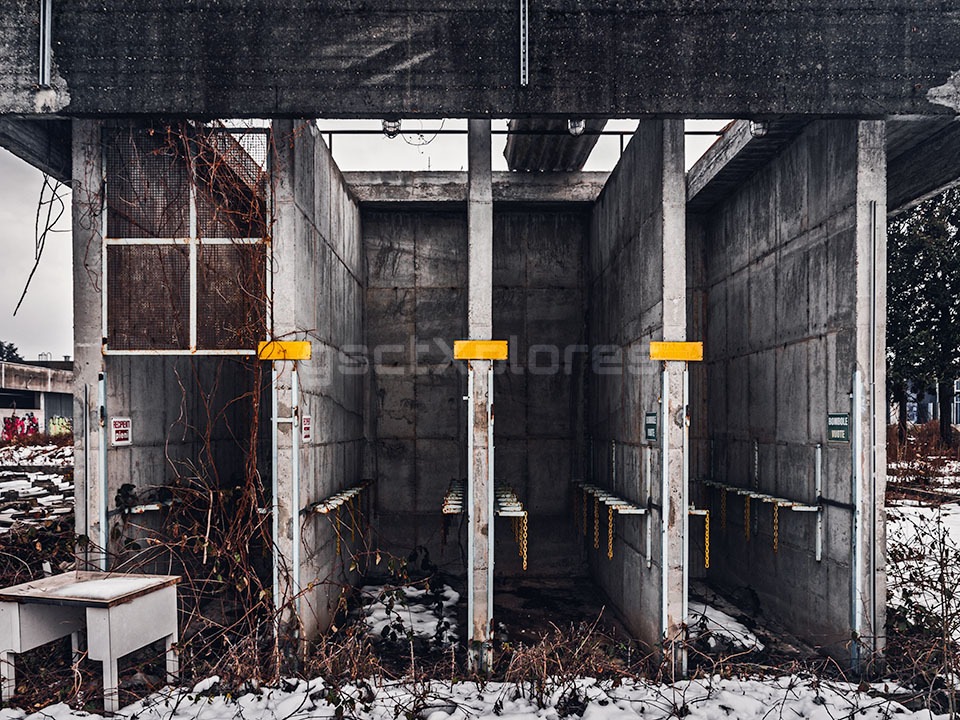
An elaborate report from Arci – School of Architecture, Urban Planning, and Construction Engineering – states that the site has “historical, documentary, artistic, and cultural value, serving as a material testimony, now forgotten in silence, of an architectural and industrial culture that we want to protect and pass on in all its values to future generations.”
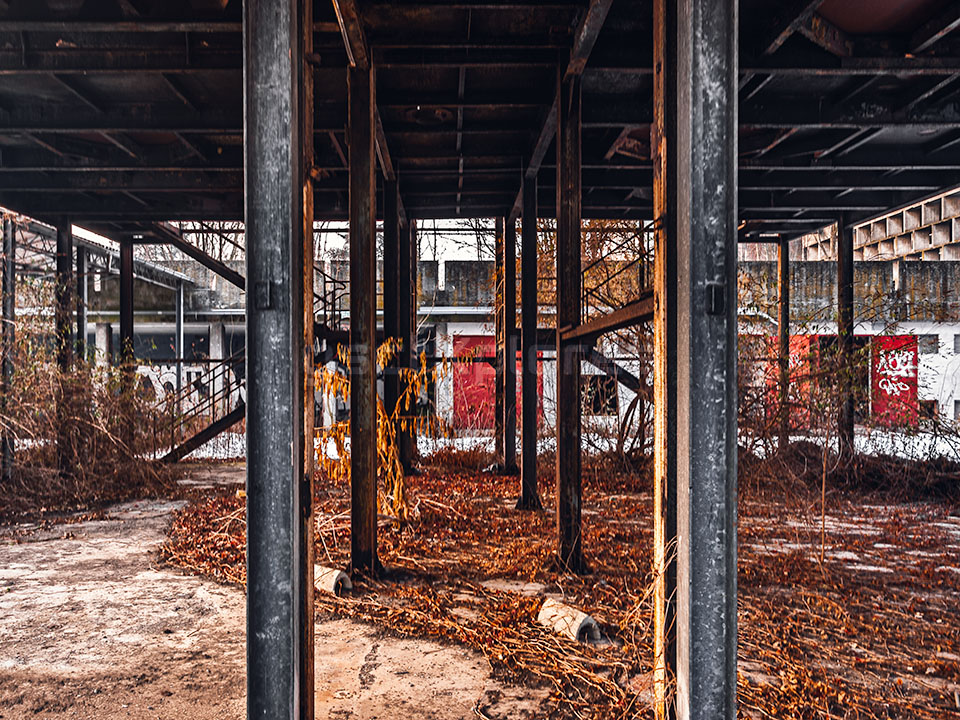
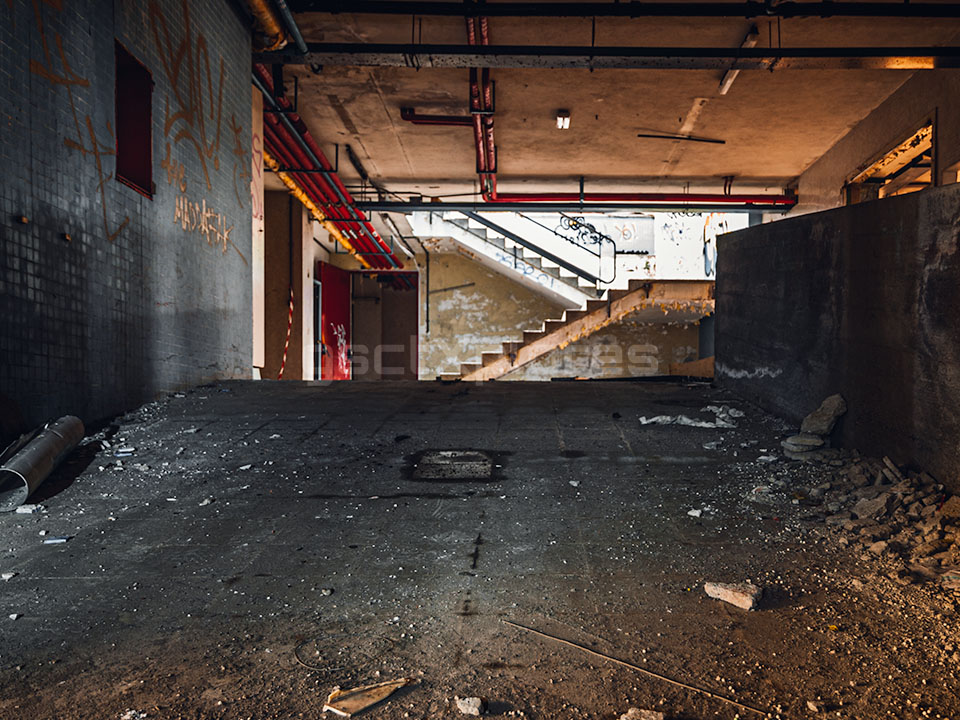
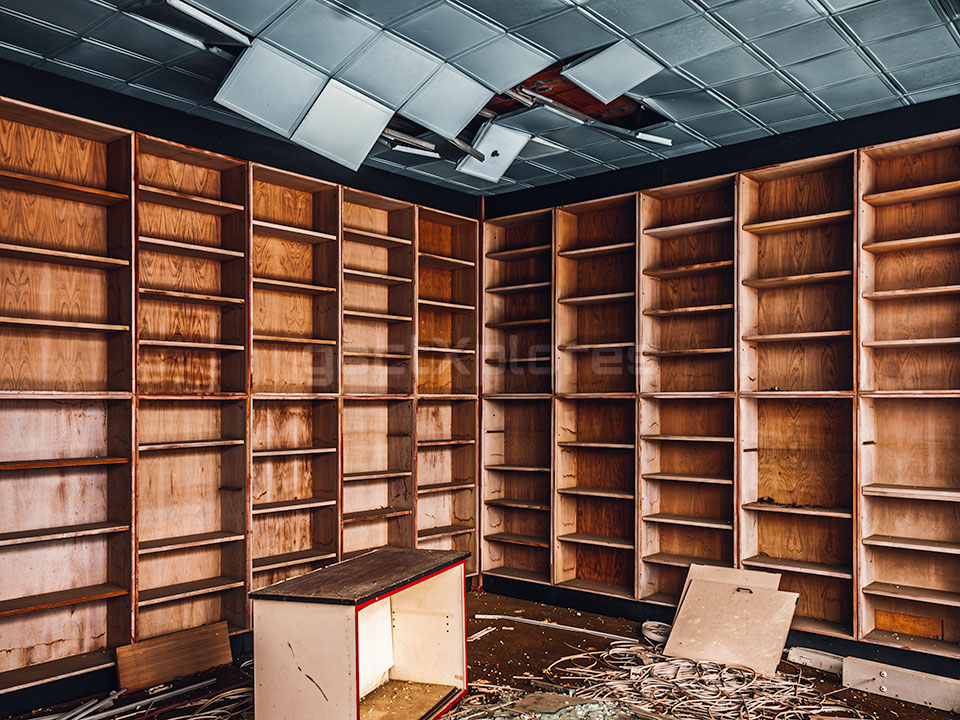
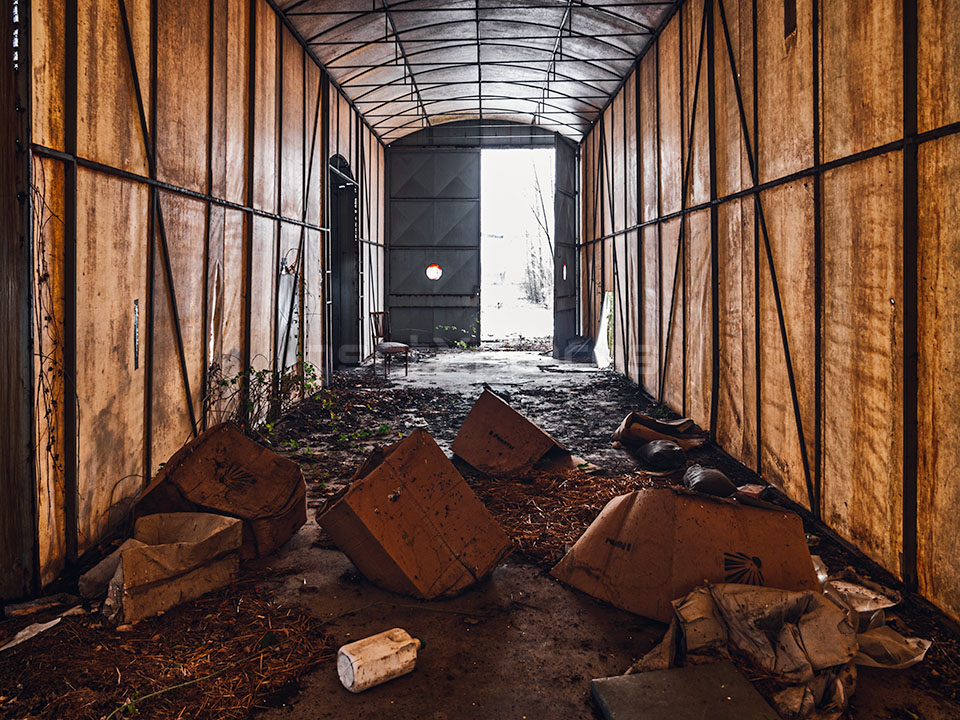
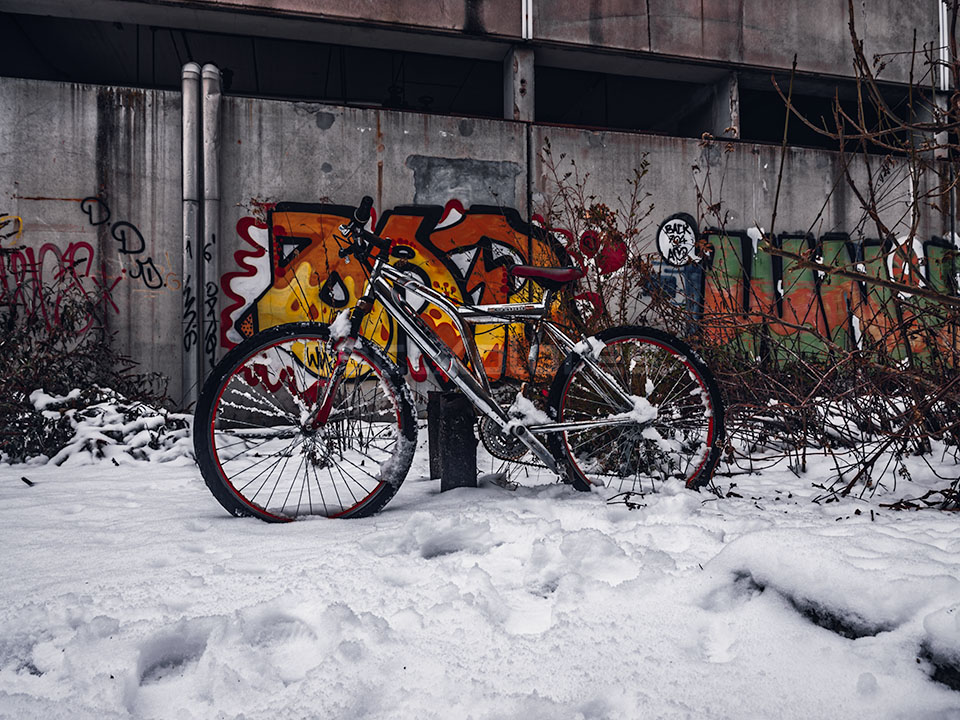
Please enjoy the full gallery of photos below.




 gsctXplores