Xploration date 04/2023 & 04/2024
Discover the fascinating history and urgent restoration needs of Castelvecchio di Stupinigi, a medieval fortress on the brink of decay that holds the potential to become a key cultural and tourist landmark in Piedmont—read on to learn how community efforts and regional investments aim to revive this historic site.
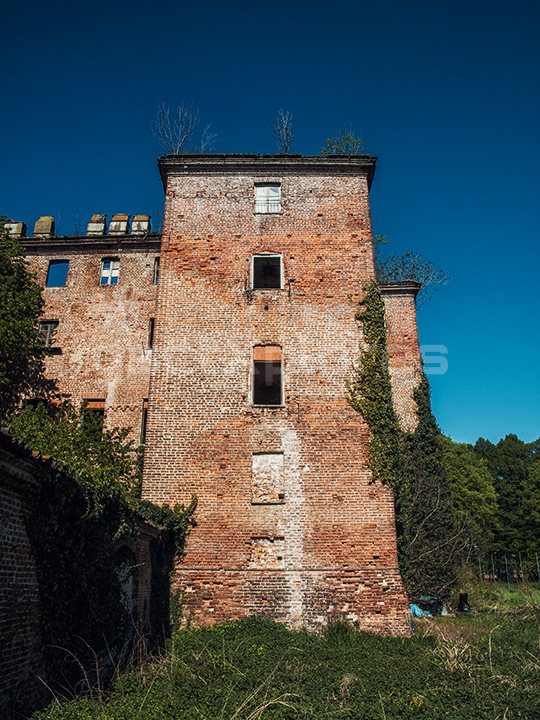
Castelvecchio di Stupinigi, a castle located on the outskirts of the Italian city of Turin next to Juvarra’s hunting castle, is an important example of medieval fortified architecture. The first nucleus of the castle was documented as early as 1288. It passed through several hands: the Sili family and the Cistercians of Staffarda Abbey.
In 1396, the castle and its surrounding territory were sold to Pietro de Caburreto. The property was later acquired by Princess Bona of Savoy and, upon her death in 1431, it returned to the first Duke Amedeo VIII, along with the other assets of the Acaia family. For more than a century, it remained a fiefdom of the Marquises of Pallavicino, undergoing various modifications and renovations and taking on the appearance of a 15th-century fortress. In 1556, the French governor of Piedmont, Carlo di Cossè, Lord of Brissac, took up residence there.
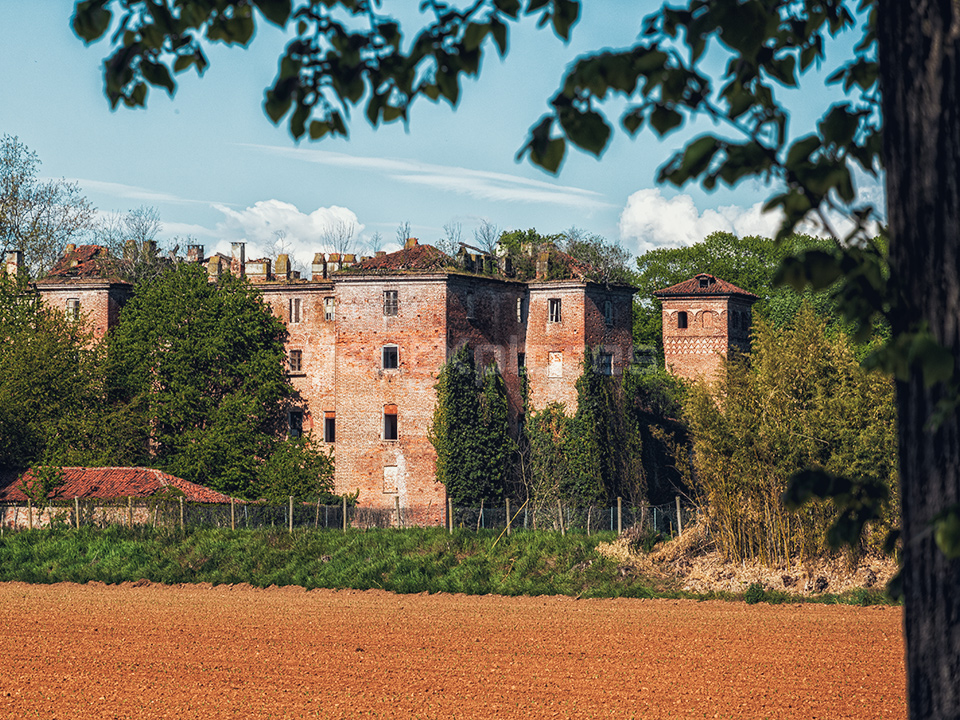
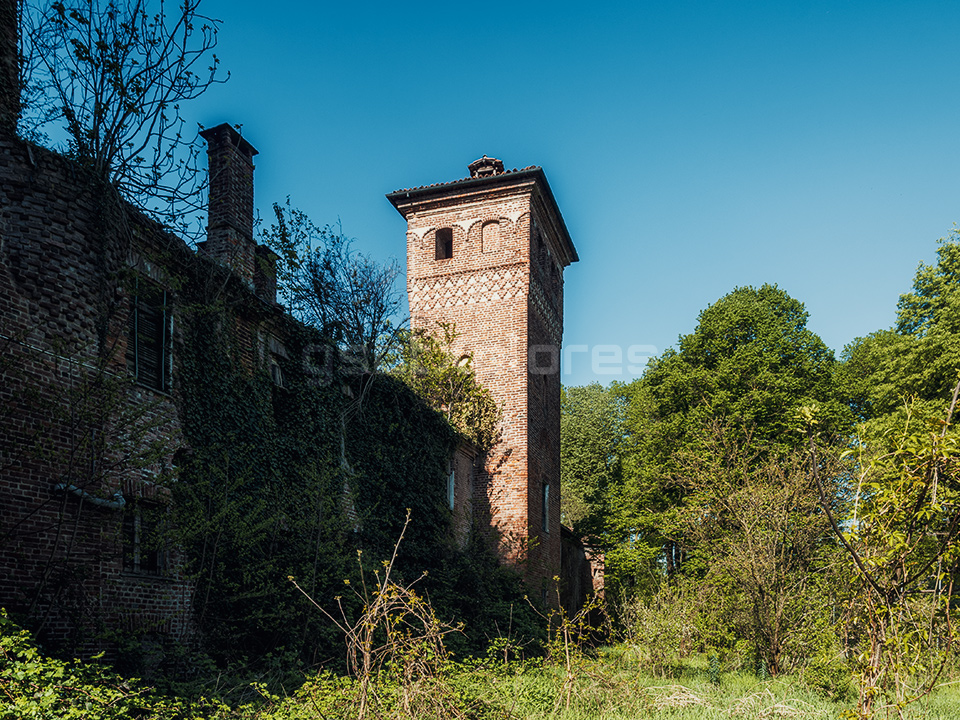
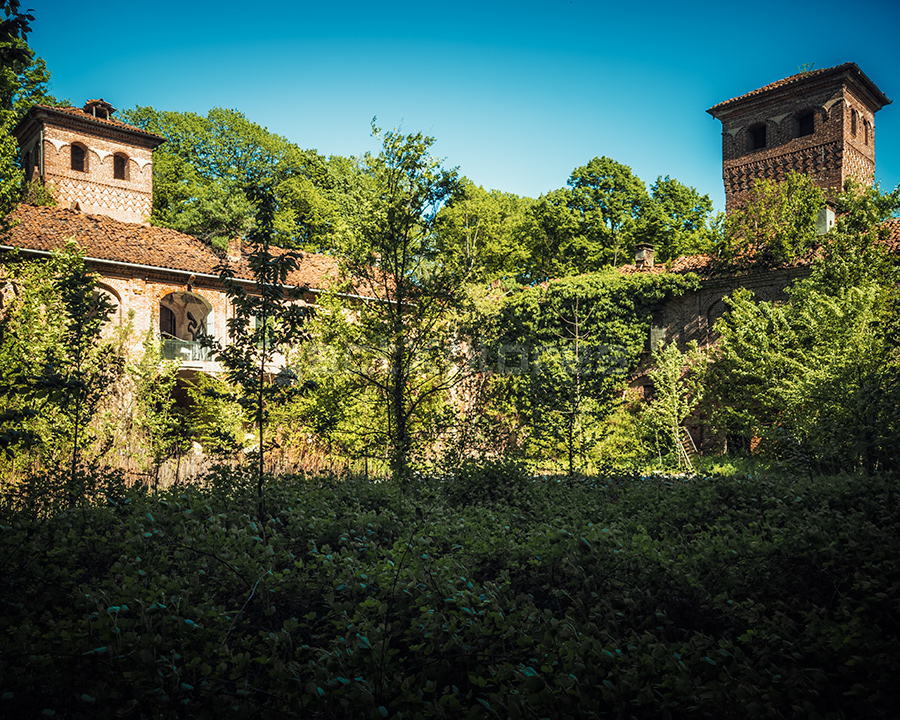
After the victory of San Quintino, the castle briefly returned to the Savoy family, until Emanuele Filiberto ceded it in 1573 to the Order of Saints Maurice and Lazarus, which he had just founded. During the 18th century, the castle underwent alterations and partial demolition to make way for the Stupinigi Hunting Castle, designed by Juvarra, which incorporated it into a larger complex.
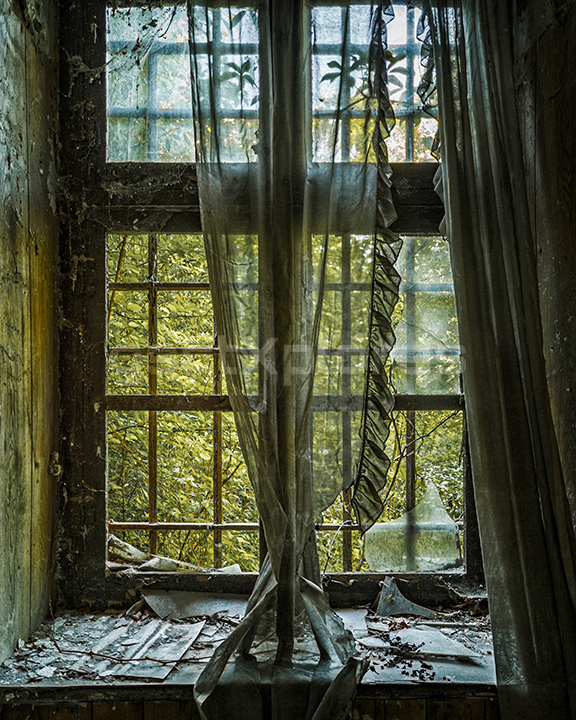
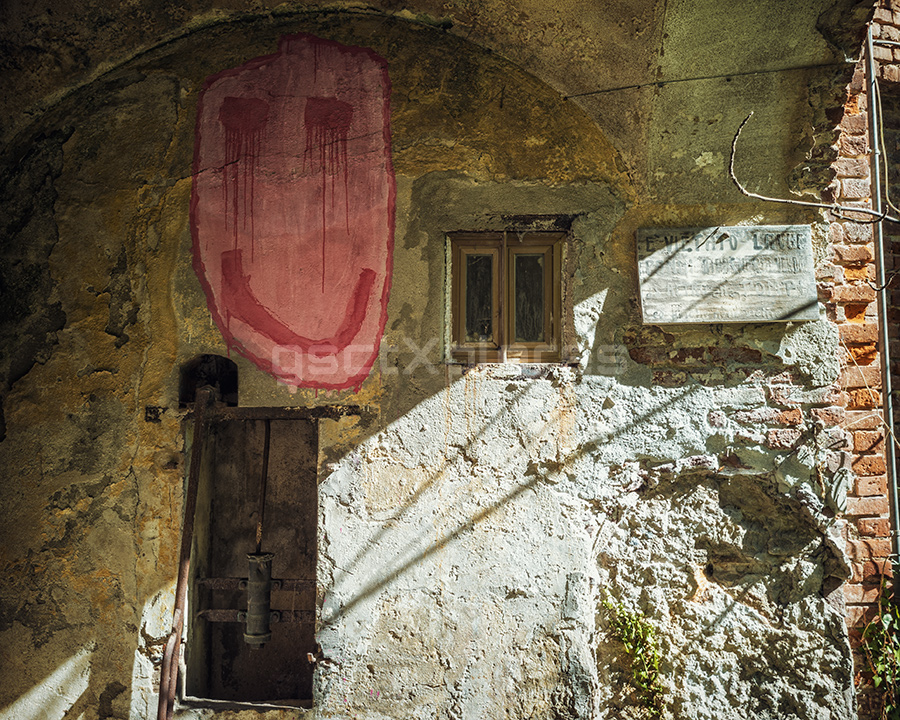
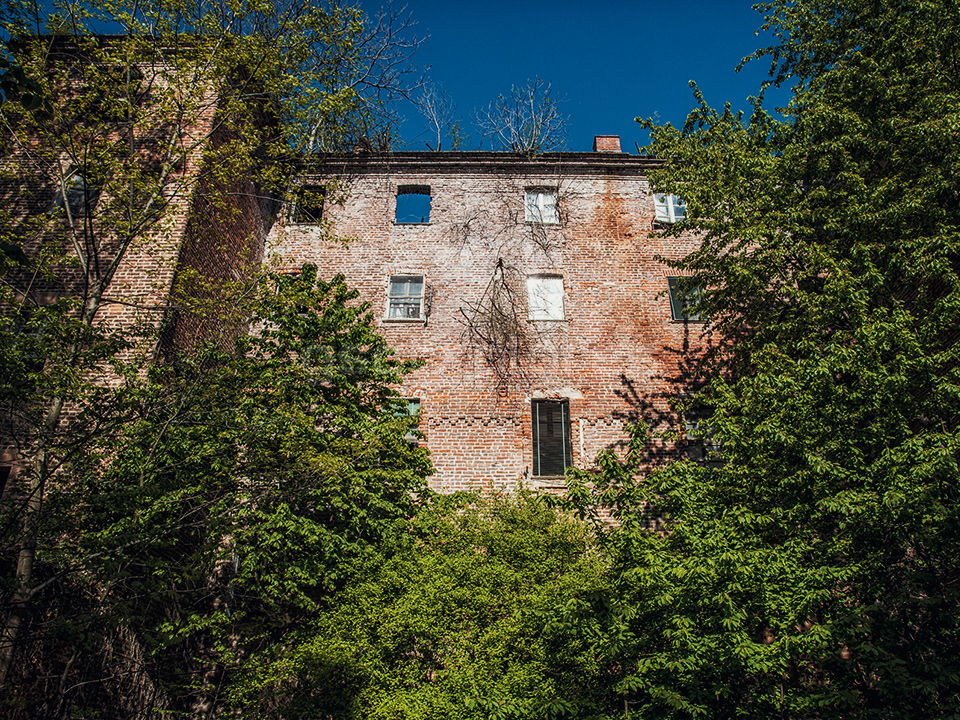
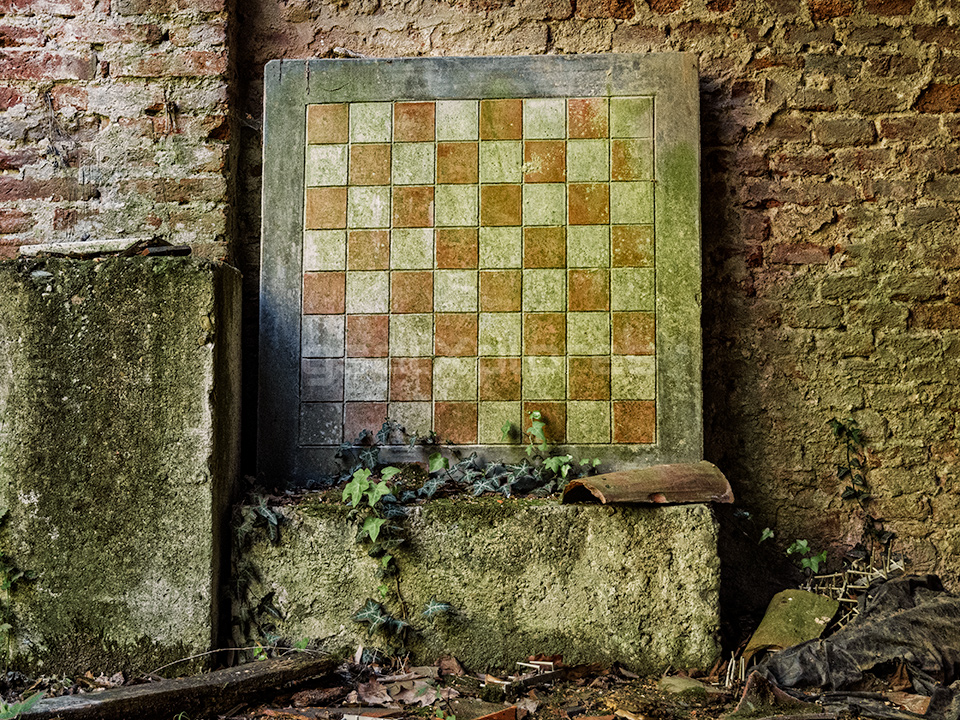
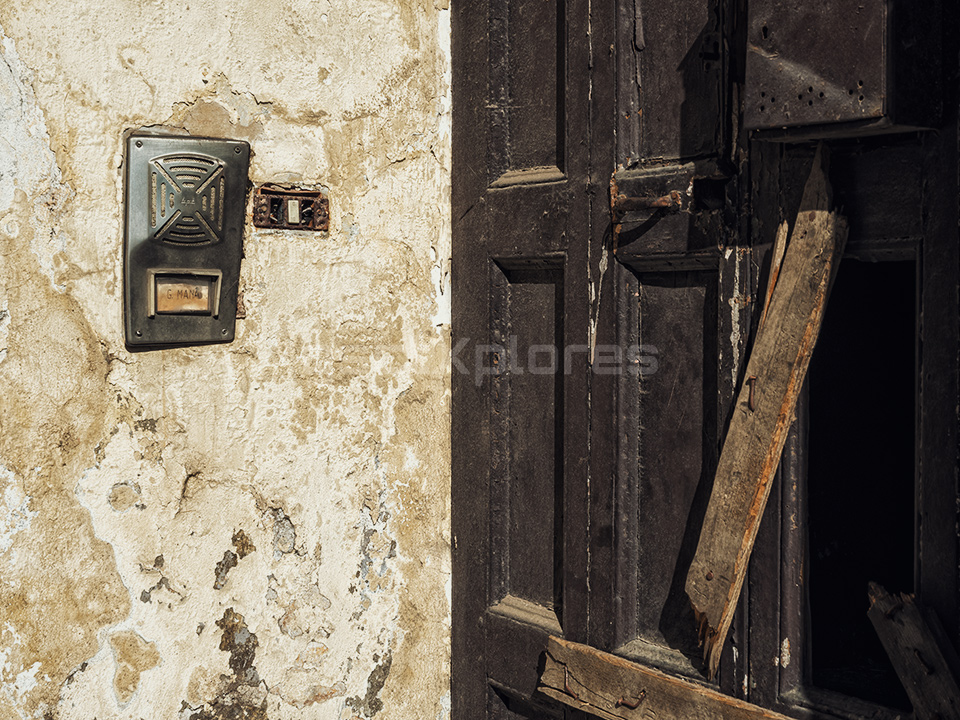
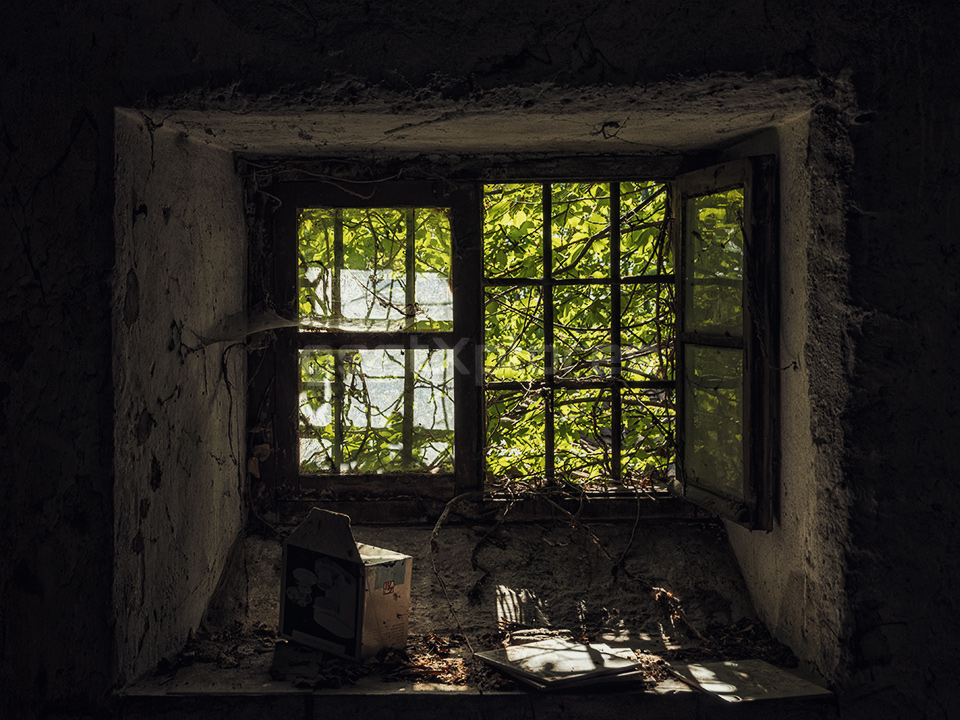
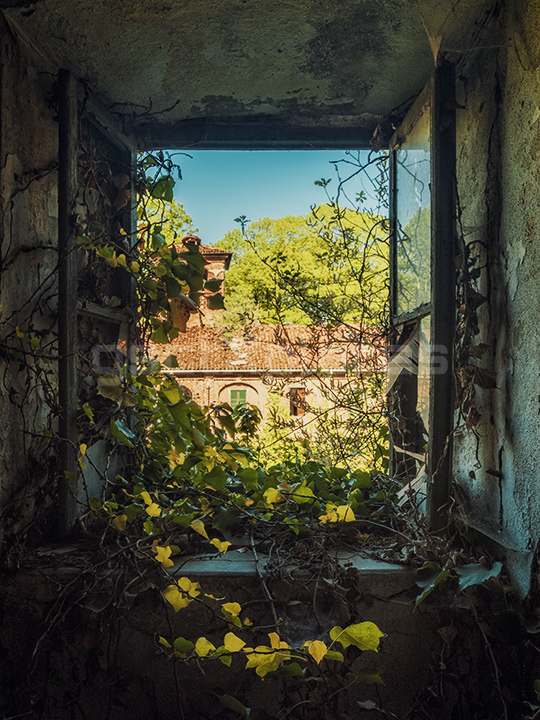
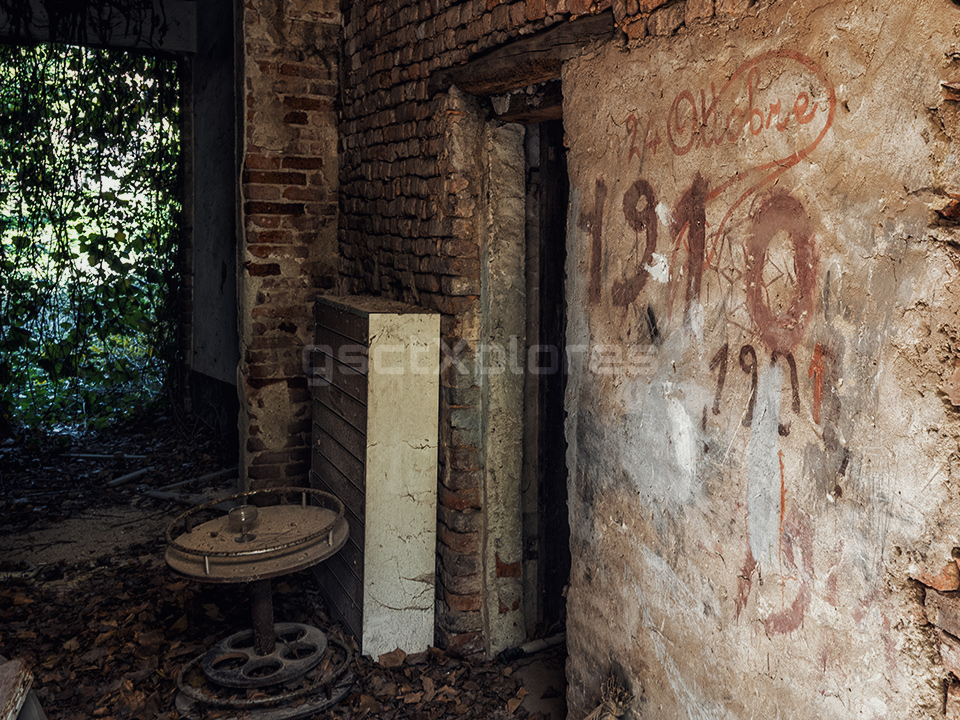
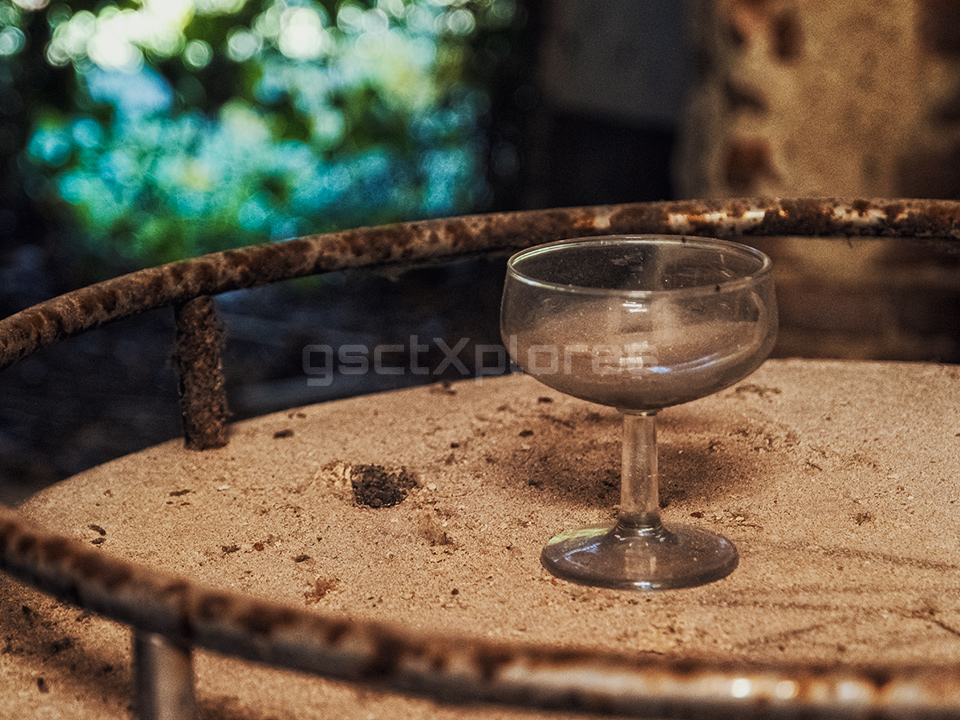
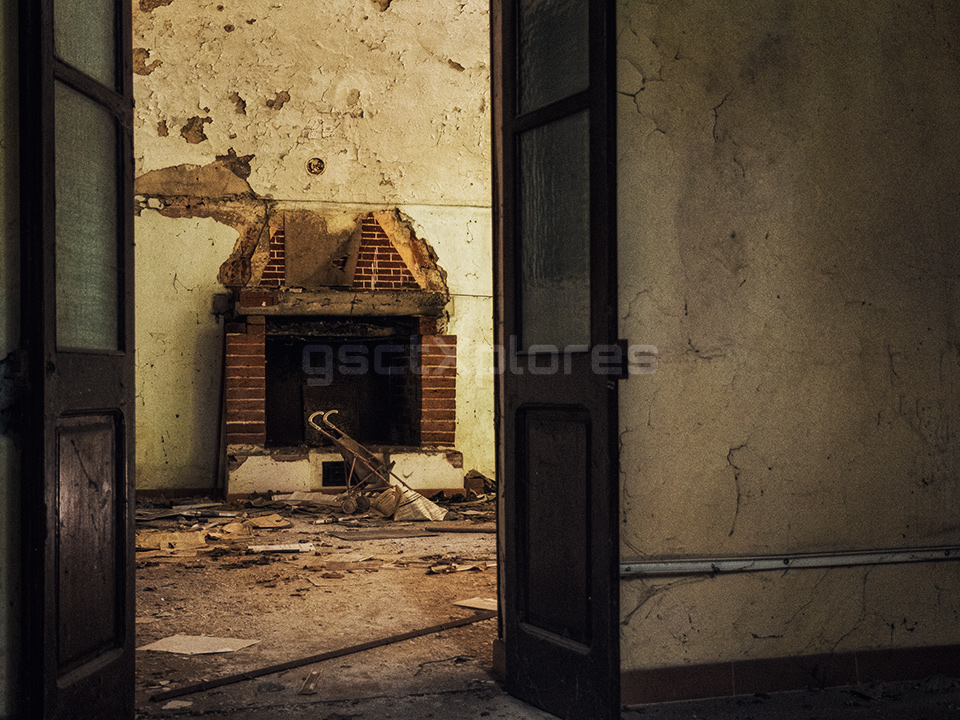
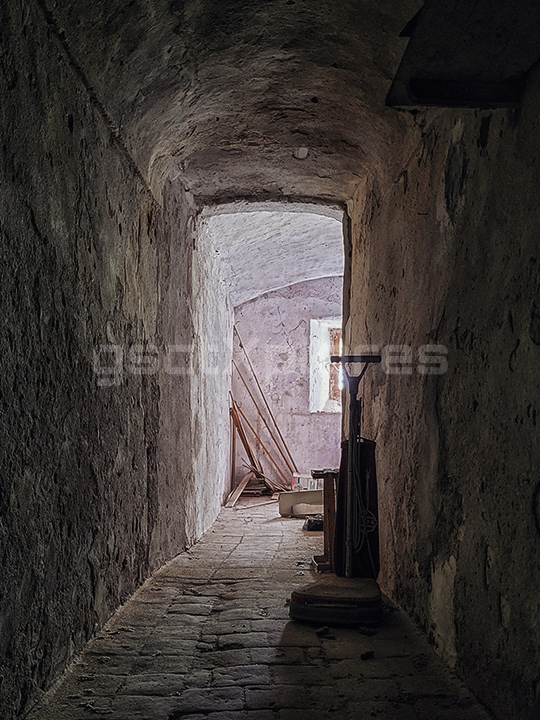
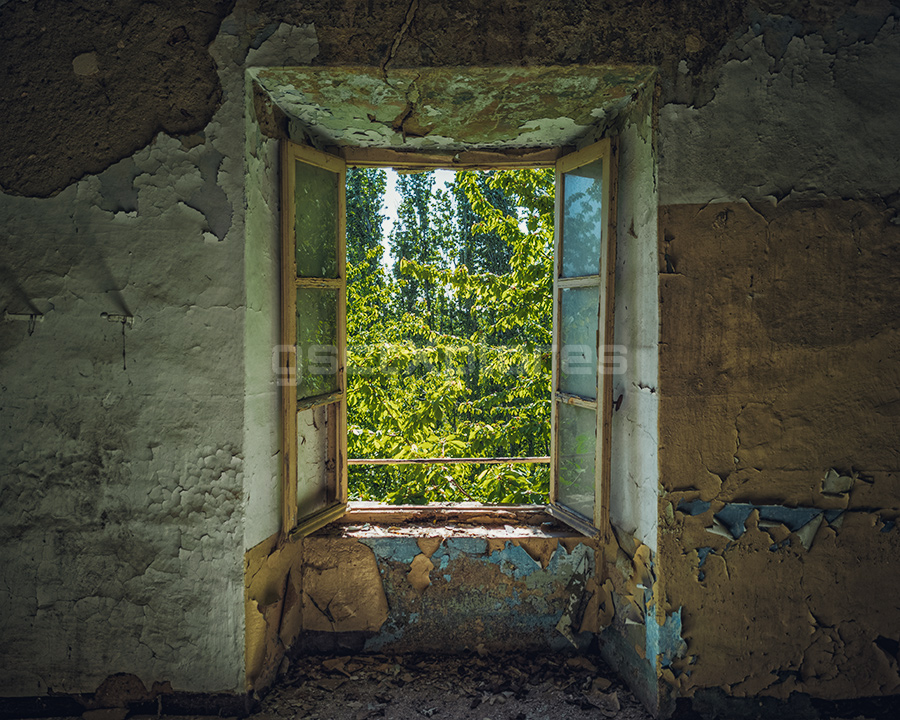
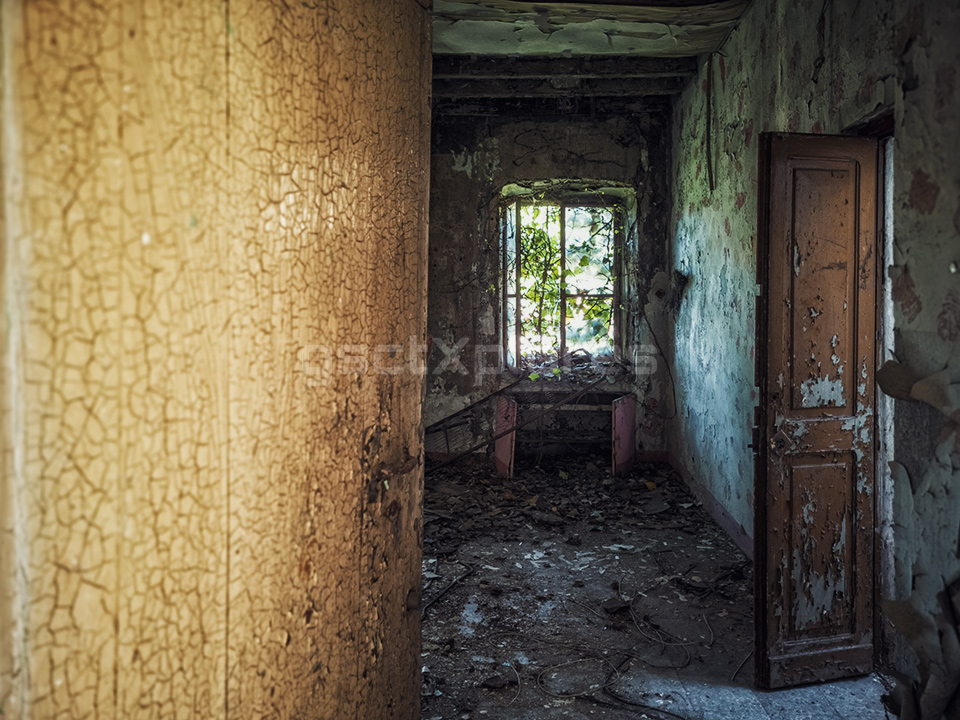
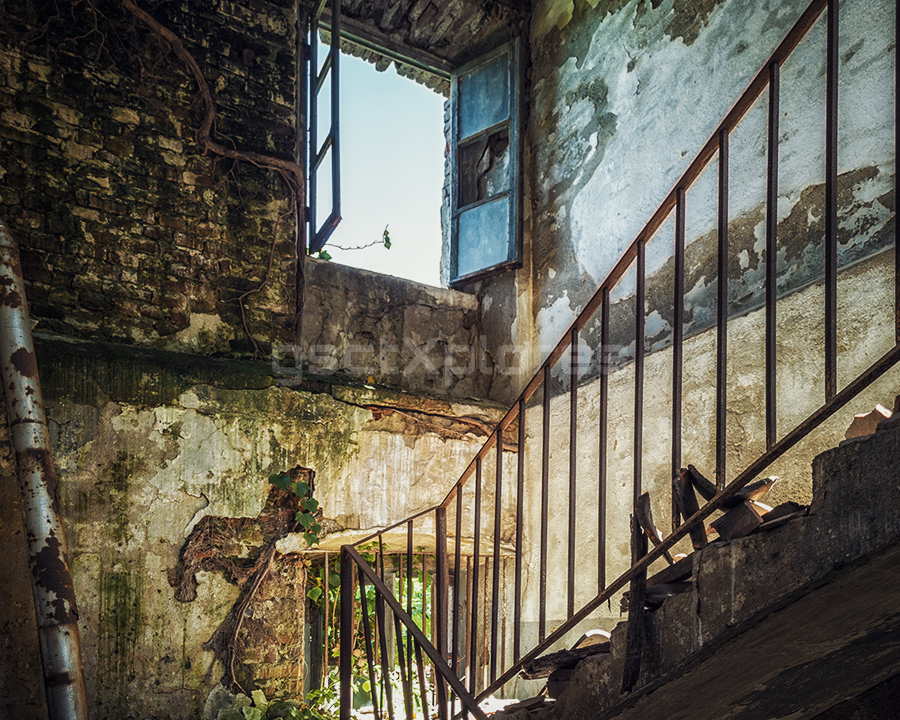
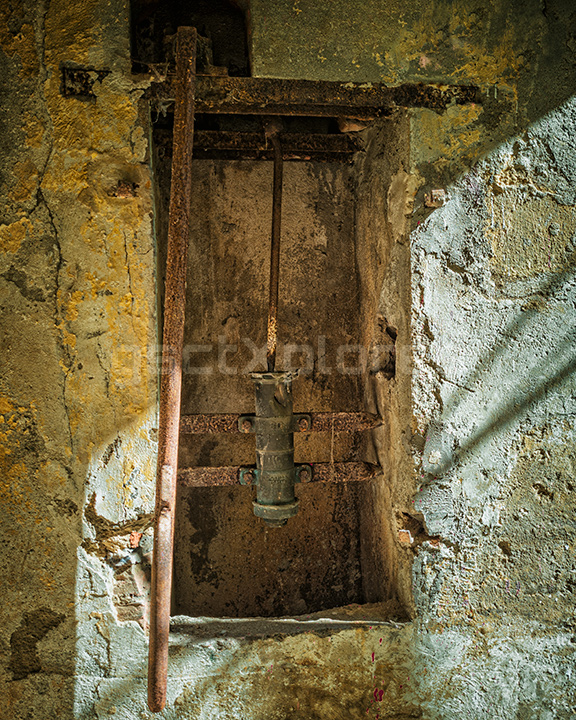
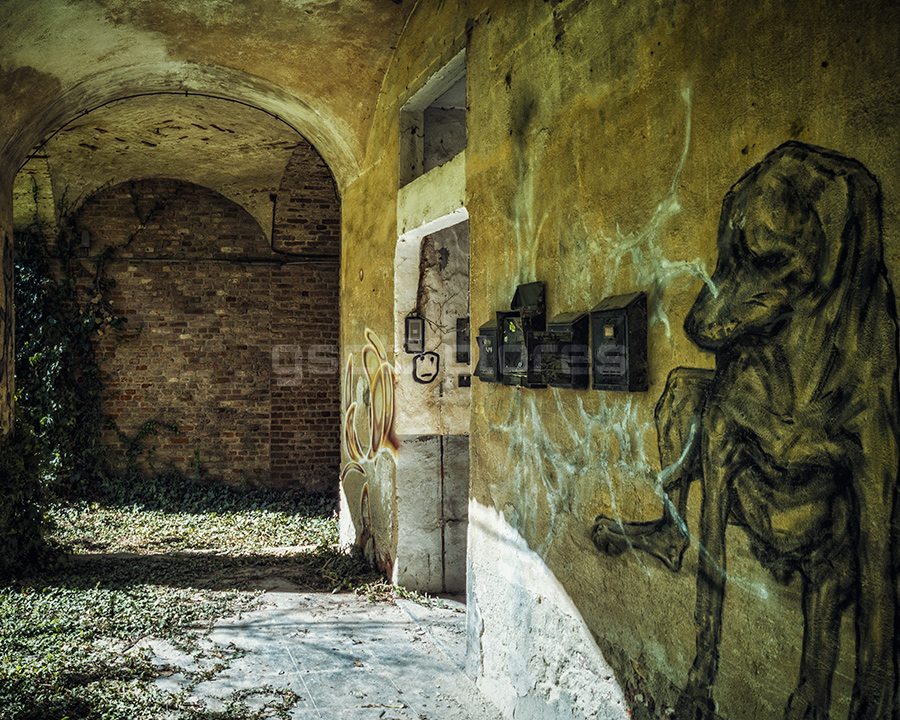
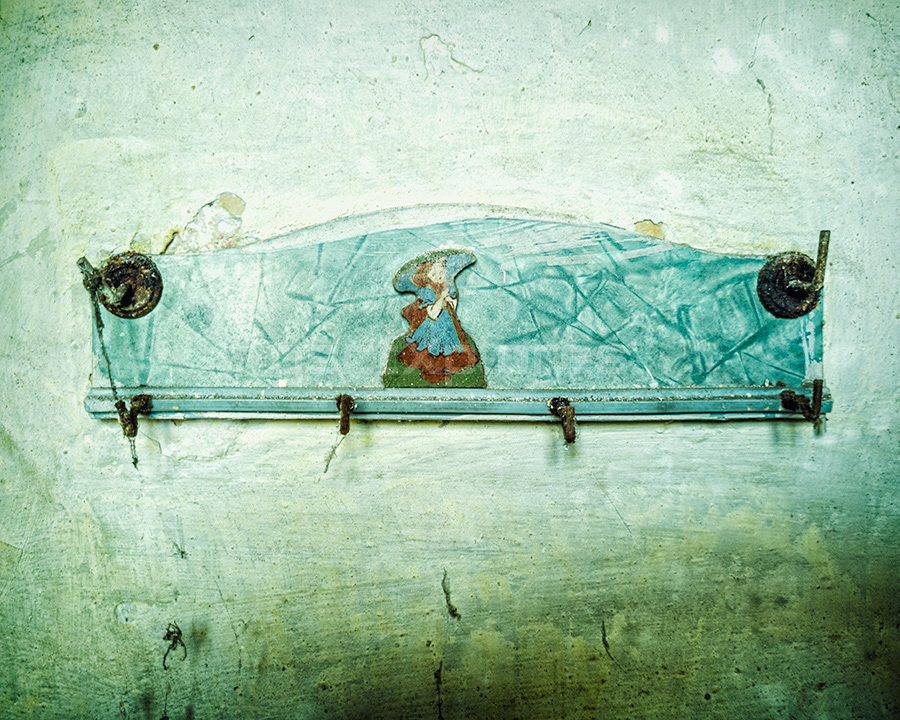
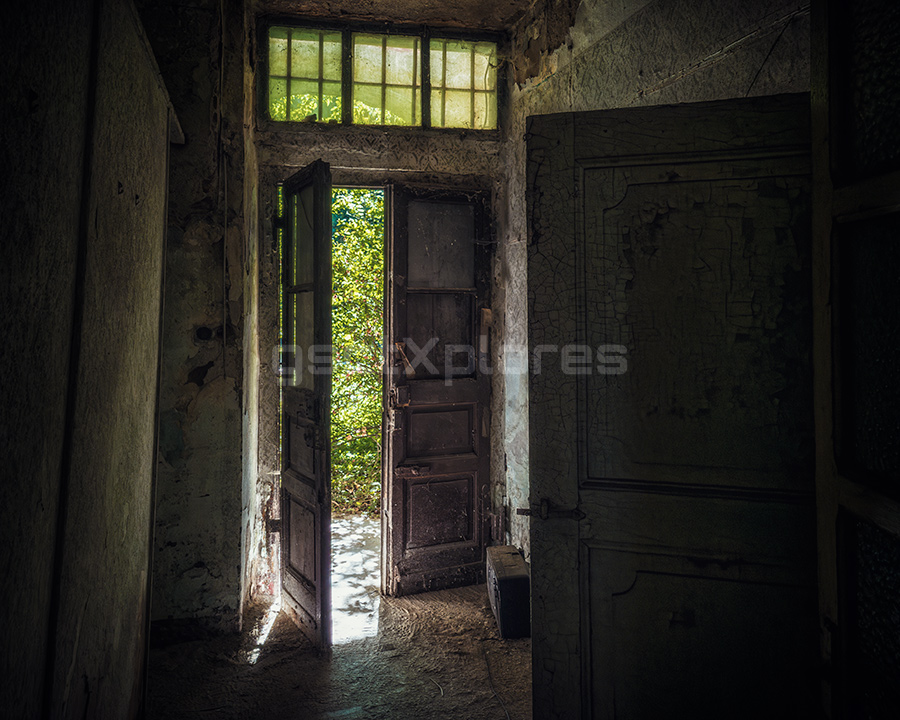
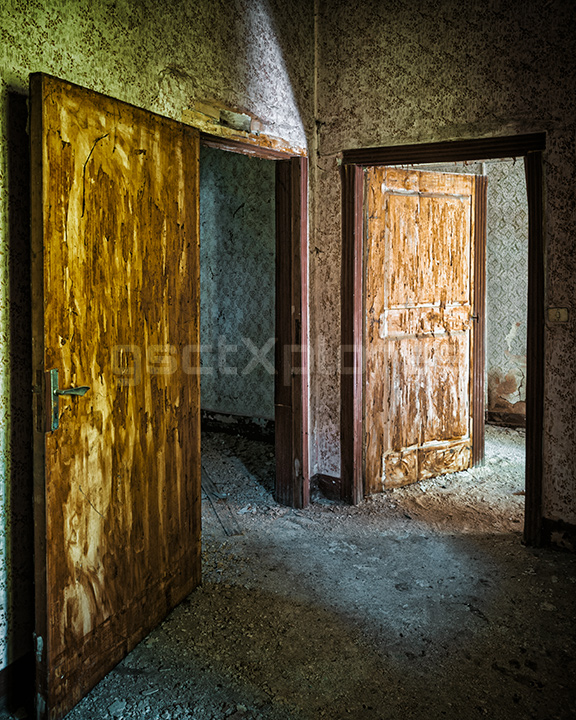
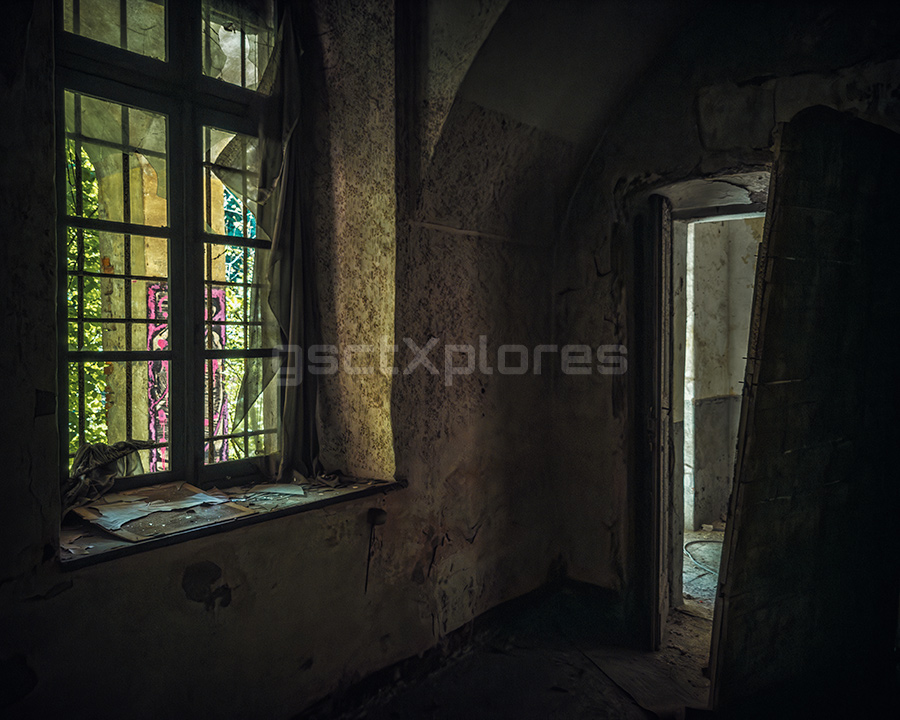
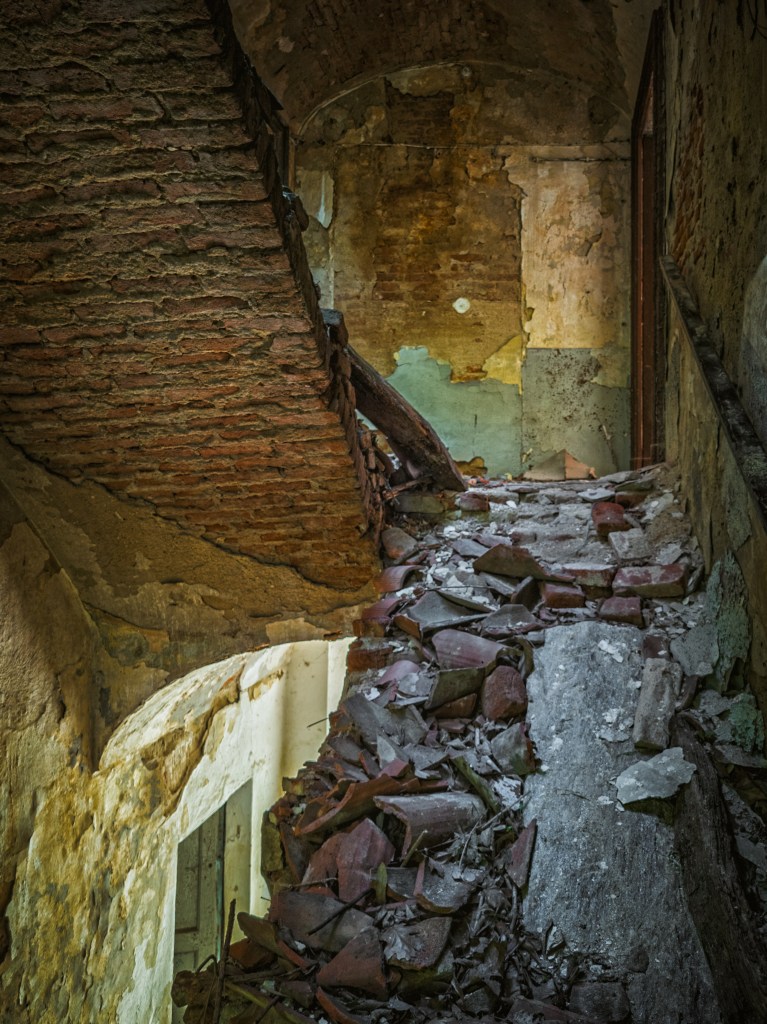
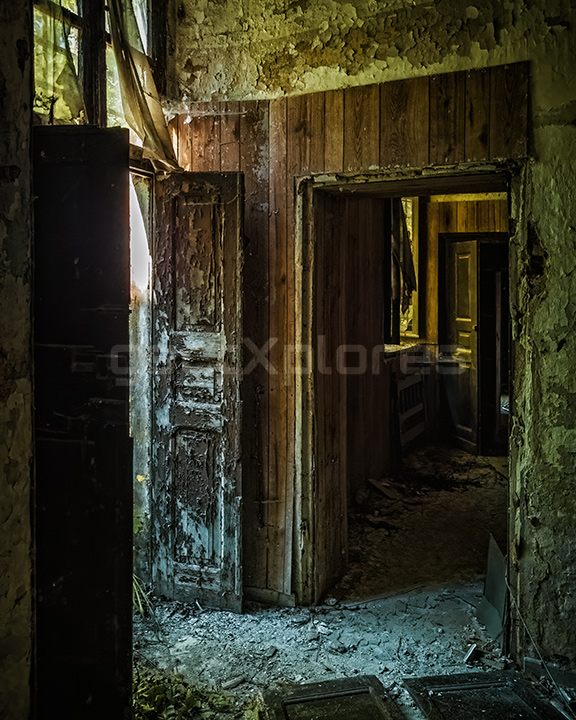
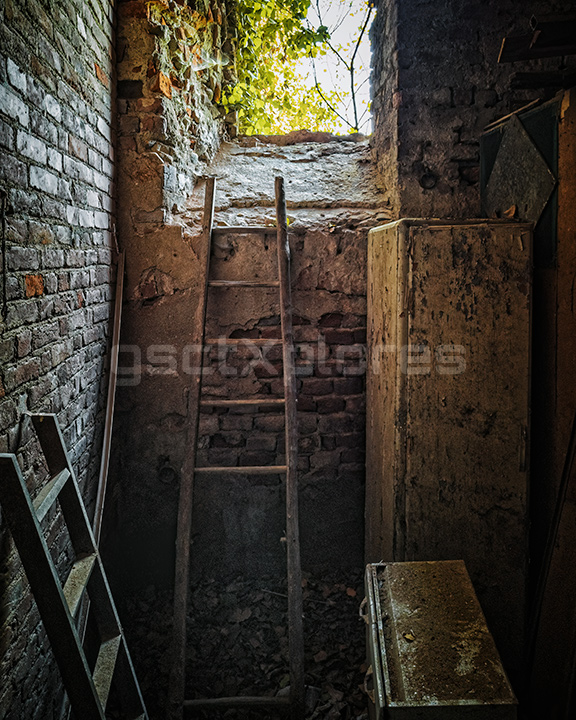
During the nineteenth century, the castle hosted various tenants and operators. It retained the elements of the fifteenth-century castle: the square towers, the internal courtyards, the spectacular barrel ceilings and traces of the medieval layout. Unfortunately, today it is in a state of total abandonment and decay and is in urgent need of restoration.
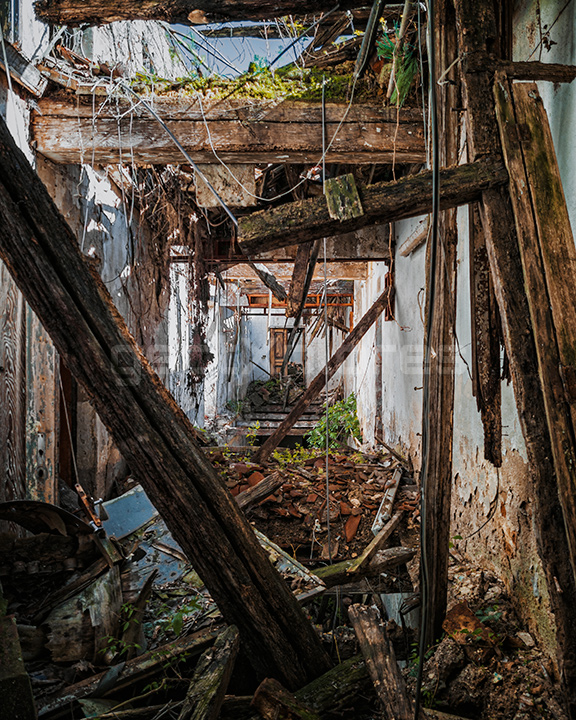
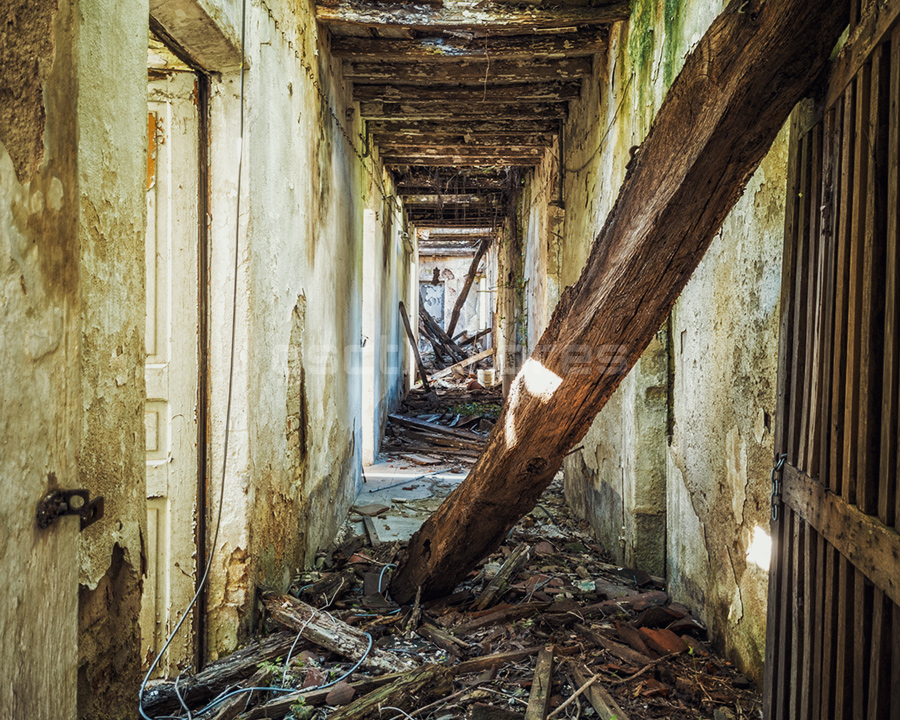
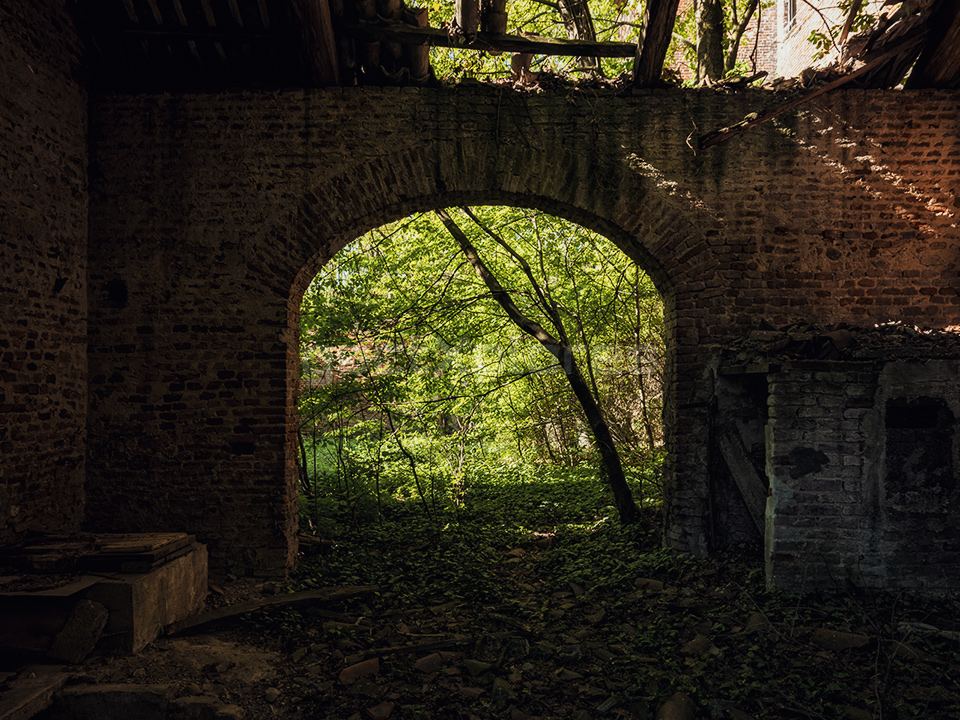
Castelvecchio, together with other fortifications such as the castles of Drosso and Vinovo, formed a system of territorial control south of Turin. Owned by the Mauriziano Order Foundation, the castle is a ruin that bears traces of its medieval and Renaissance past, but its current condition is precarious, with maintenance and conservation problems, as demonstrated by recent reports and emergency interventions.
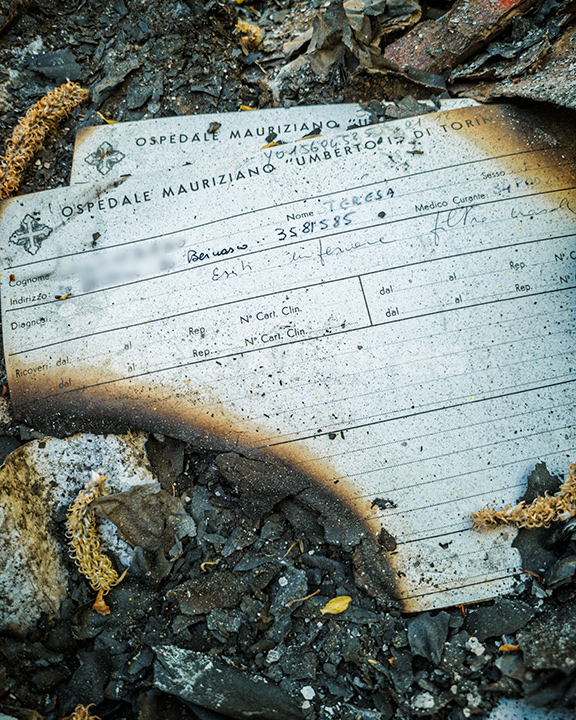
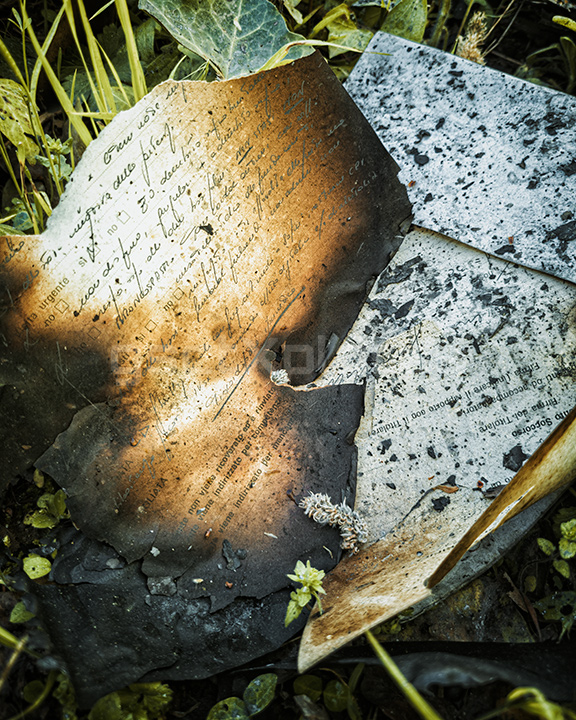
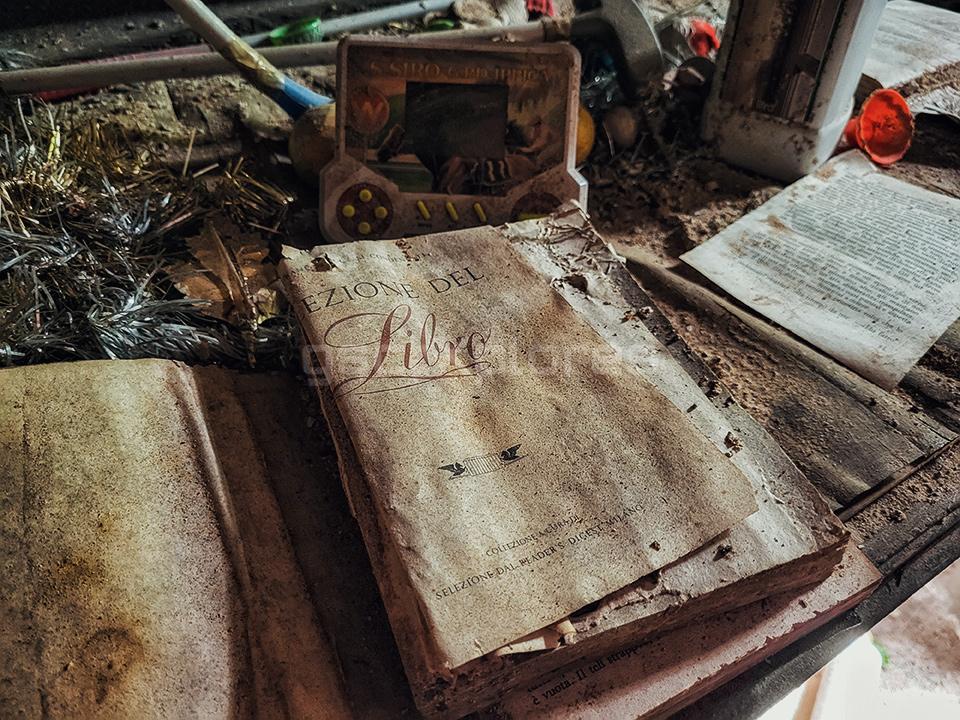
During the exploration of this castle, numerous medical reports from a major local hospital were found. Both inside and outside the building, the documents, complete with patients’ names and other personal data, were piled up and burned. Was this an act of vandalism, or something else?

Interest in the castle has been rekindled thanks to crowdfunding initiatives inspired by French models, such as those of Château de la Mothe-Chandeniers, where thousands of citizens have become co-owners to finance the restoration of ruined buildings. Although the castle is publicly owned, restoration work may be possible through a revision of the statutes and a project shared with the Ministry of Culture, considering the protection restrictions and high conservation costs.
In the local context, projects are being developed to enhance Stupinigi and its assets, including the restoration of the Hunting Castle, which aims to transform the site into a true tourist and cultural destination. The Piedmont Region has announced an investment of €25 million, largely financed by the PNRR, to redevelop the entire area, including the village, farmhouses and agricultural structures, with the aim of creating an integrated system of attractions that can compete with the most renowned European destinations such as the Loire Castles. The project also aims to boost repopulation and the local economy through tourism, cultural and craft activities, involving local citizens and communities.

In addition, restoration and enhancement work is underway on the historic park of Stupinigi, with European and ministerial funding, and redevelopment of the surrounding area, including services such as shops, restaurants and agri-food activities, especially in the former barns and farmsteads. The aim is to create a cultural, tourist and agri-food hub that will make the site an international landmark, strengthening the rural and historical vocation of the complex.
In conclusion, while some structures of great value, such as the Hunting Castle and the other castles in the area, are undergoing major restoration work, others, such as Castelvecchio di Stupinigi, are still in a state of neglect but could benefit from new public and private involvement strategies, including collective participation through crowdfunding. The ambition is to transform Stupinigi into a major cultural and tourist attraction, capable of enhancing Piedmont’s historical heritage and contributing to the sustainable development of the area in the coming years.
Thank you for joining us on this journey into the past. Please find below a video of the exploration of this castle, and further down, the complete gallery of photos.



 gsctXplores