Xploration date 2018-2023
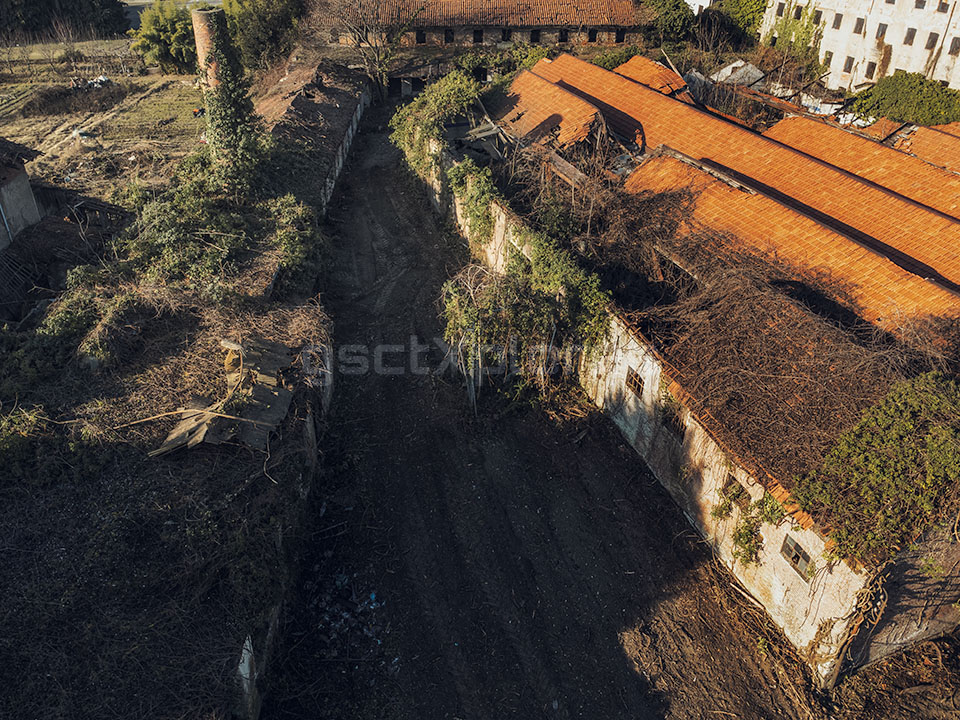
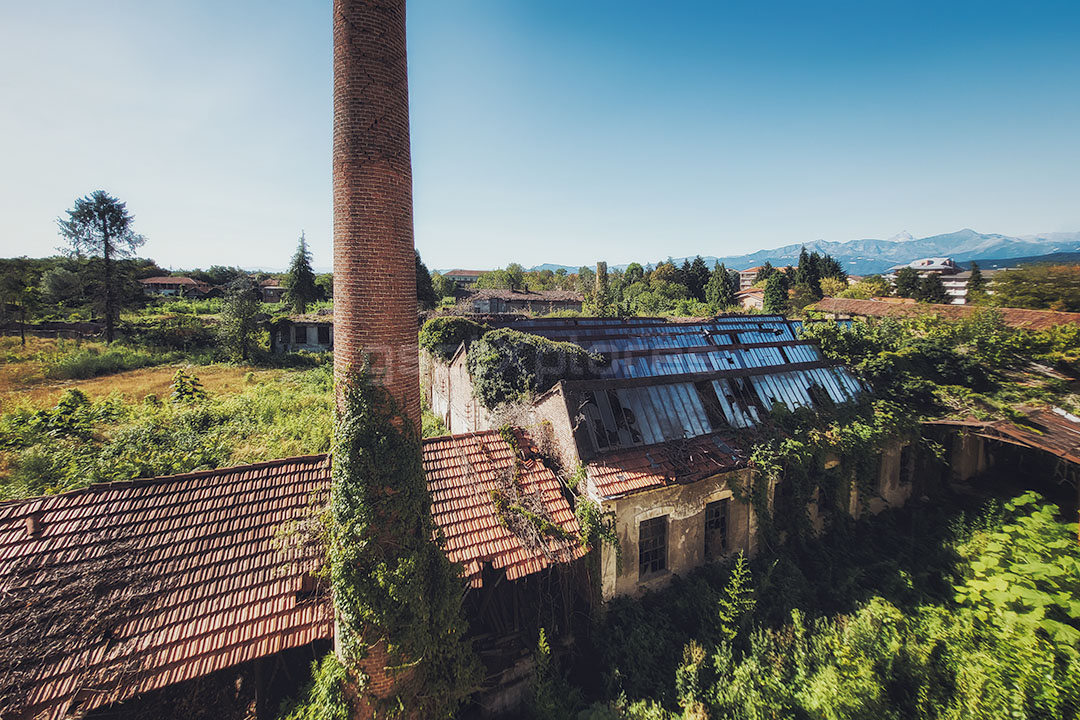
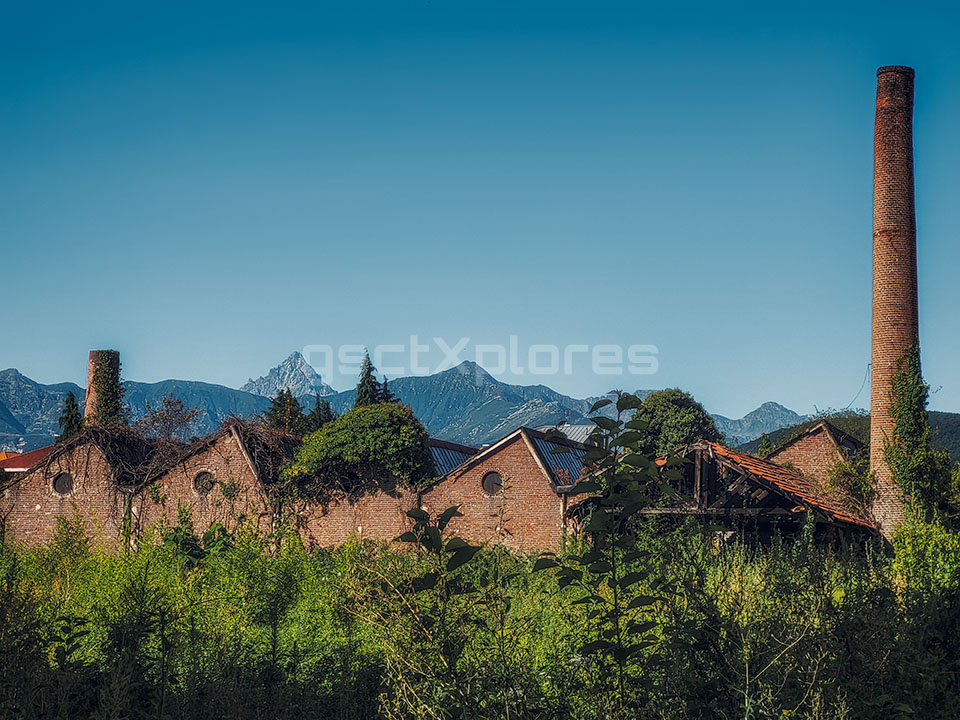
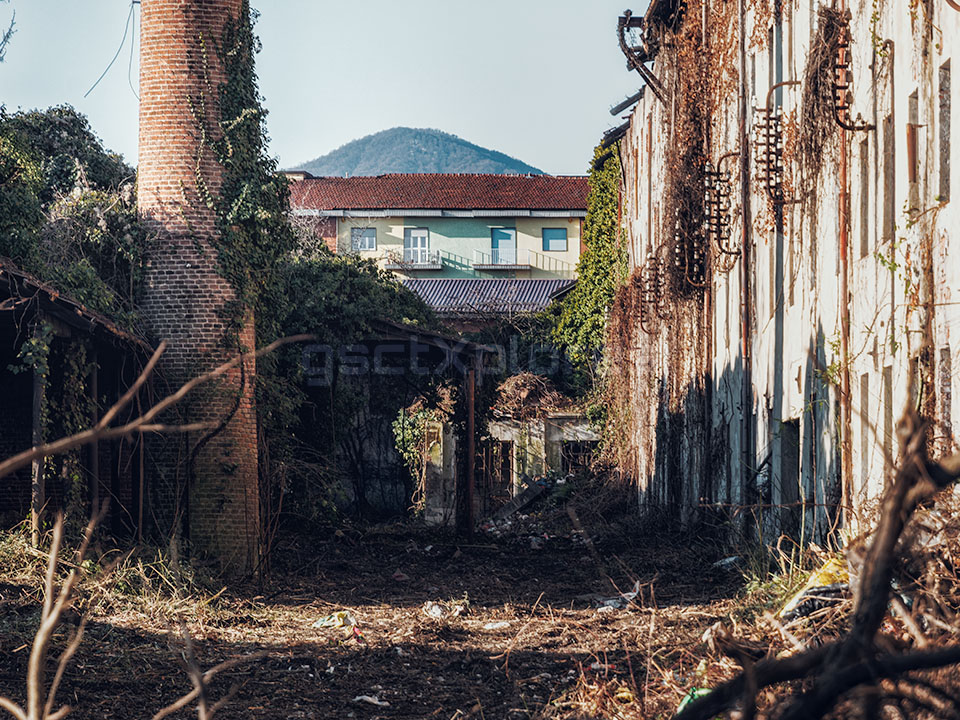
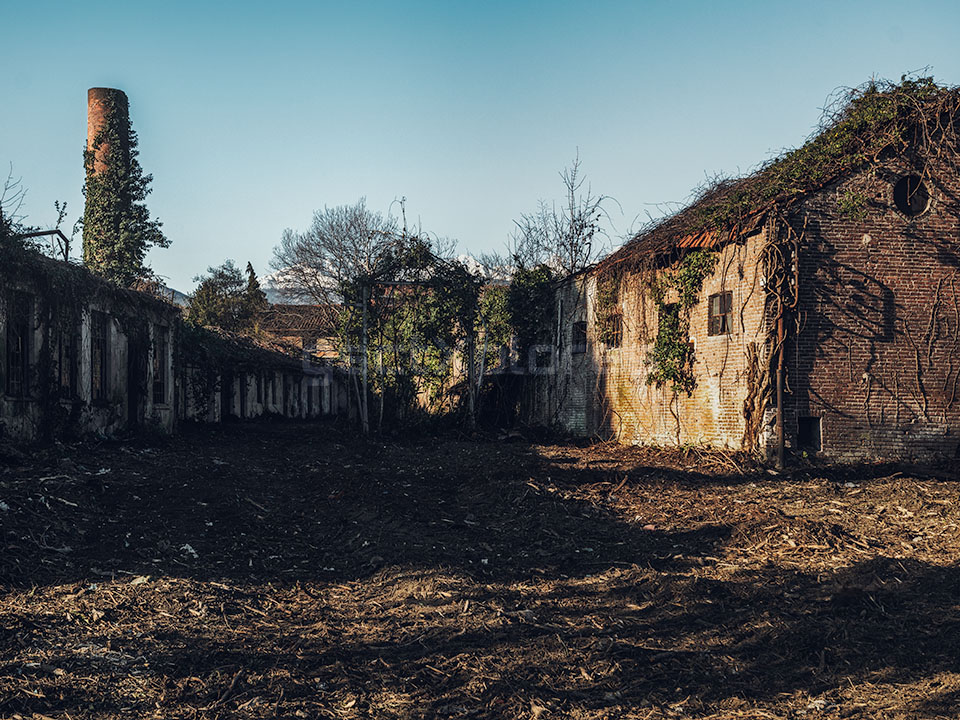
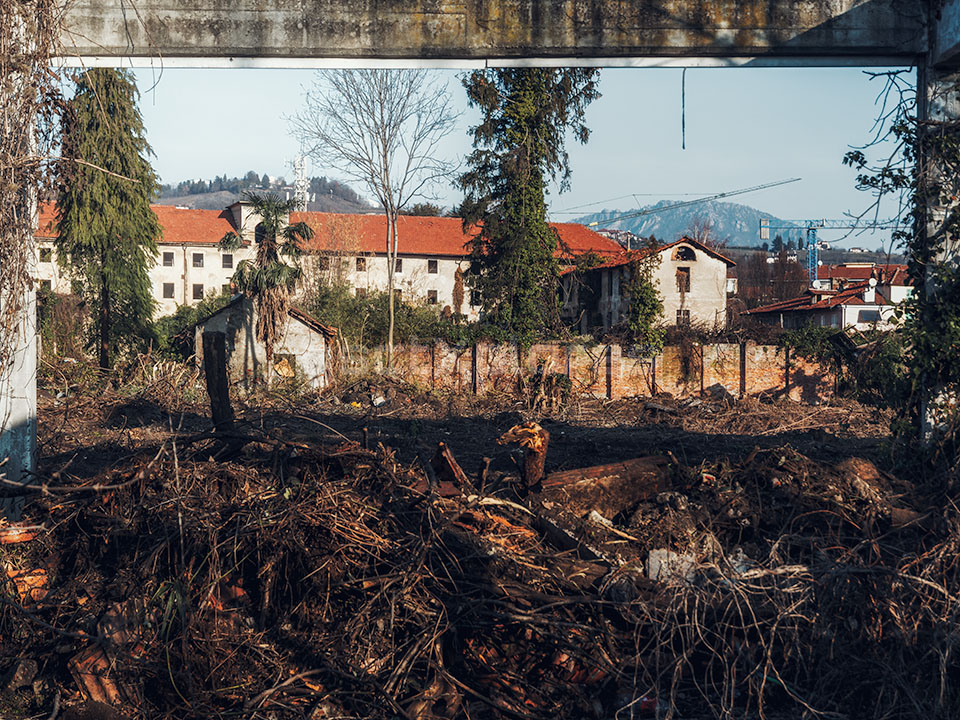
The historic Tūrck lace factory lays in abandonment whilst controversy surrounds its future. Here is the story of this factory build 600 years ago.
In the heart of Pinerolo, along the picturesque course of the Rio Moirano, lies a fascinating history of innovation, passion and transformation spanning centuries. Today, I will take you on a journey through time to discover the evolution of one of the most representative symbols of Pinerolo’s industry: the Türck Lace Factory.
As early as the 14th century, Pinerolo was known for its lively wool industry. The art of wool, regulated by statutes since 1326, was a pillar of the city’s economy. Among the most important activities were the production of pannolana, a highly prized fabric, and the management of paratoi, workshops where raw wool was processed.
Between the 15th and 16th centuries, documents tell us of at least two or three sites dedicated to cloth processing. One of these, the “Paratore nuovo”, was probably located in the area opposite the current Merlettificio. The management of these structures was frequently entrusted to private individuals, and modernisation work was constant, with reconstructions and extensions taking place century after century.
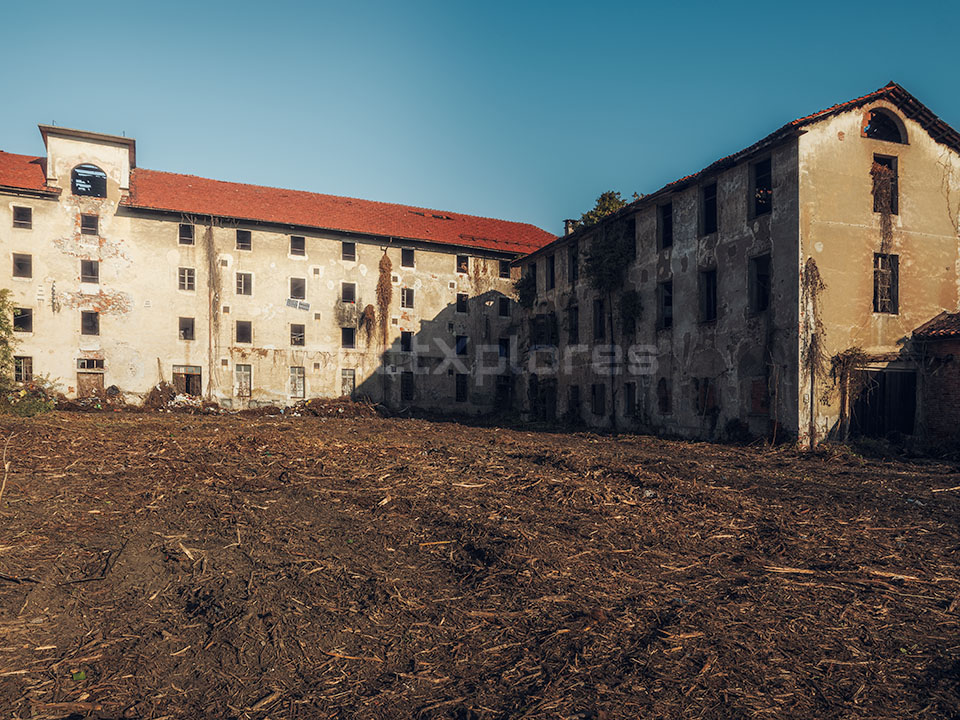


Around the 15th century, the management of the fulling mills was consolidated, and in 1440 the Municipality of Pinerolo decided to build a new fulling mill for processing cloth. This was completed in 1445 and represented an important step towards the modernisation of the local wool industry.
In 1465, the importation of wool from Provence led to the request for a special sluice gate, built in 1469, to process even thicker cloth. During the 15th and 16th centuries, two large processing sites were established, one of which, referred to as “antiquum”, was located in an area near the current Corso Piave.
In 1518, during a pastoral visit, a building called “antiquum” was identified, probably the same one that had been referred to as “novum” in 1428. The distinction between the “old” and “new” sites was lost over time, probably with the abandonment of some structures and the modernisation of others.
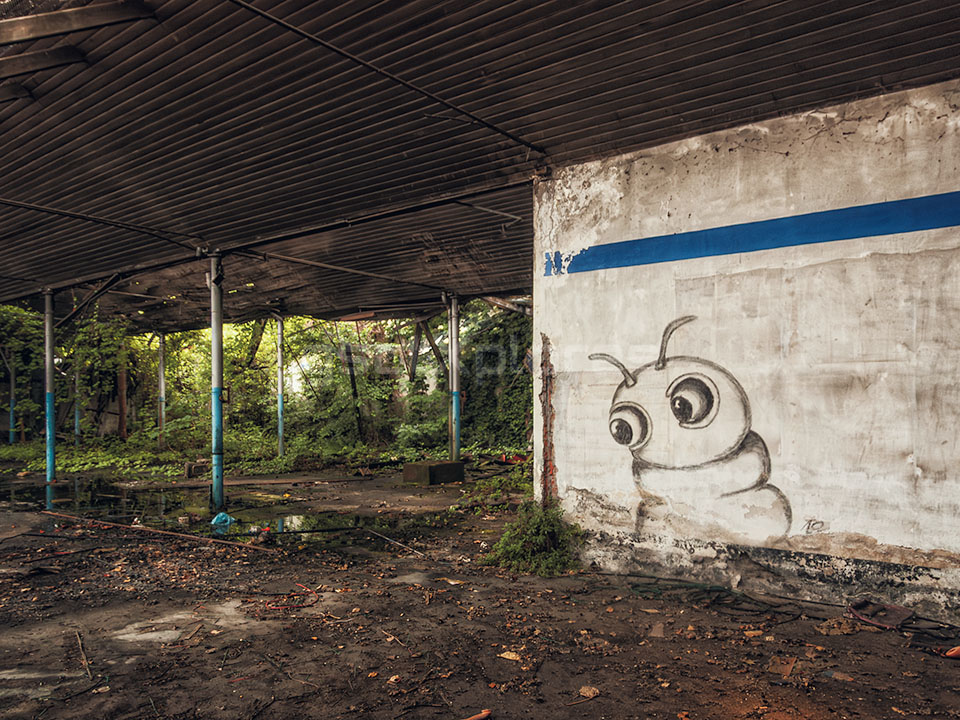
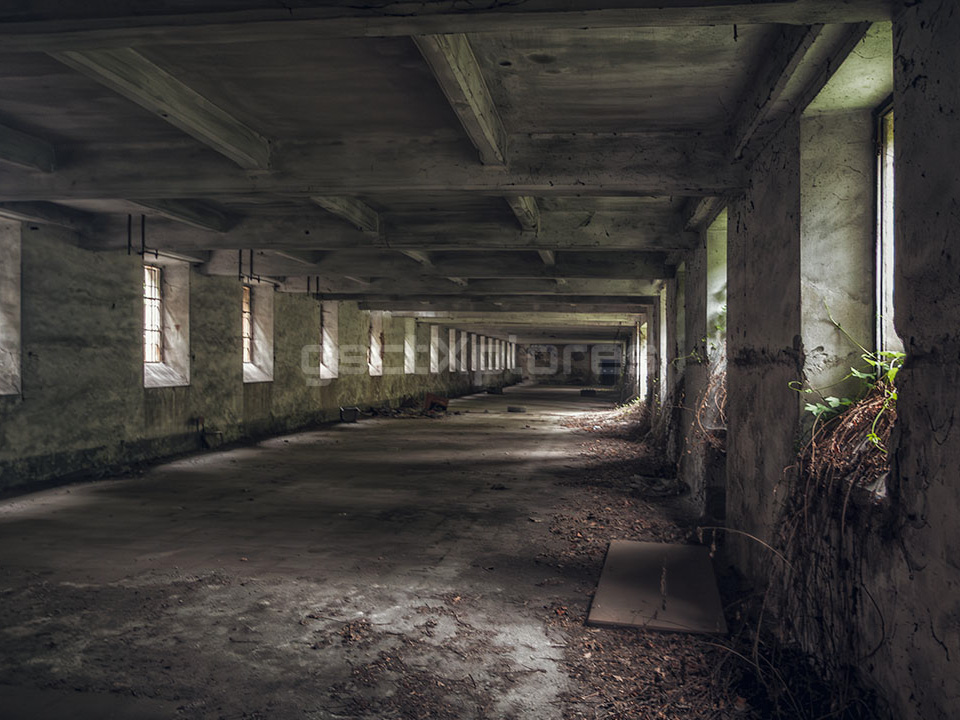
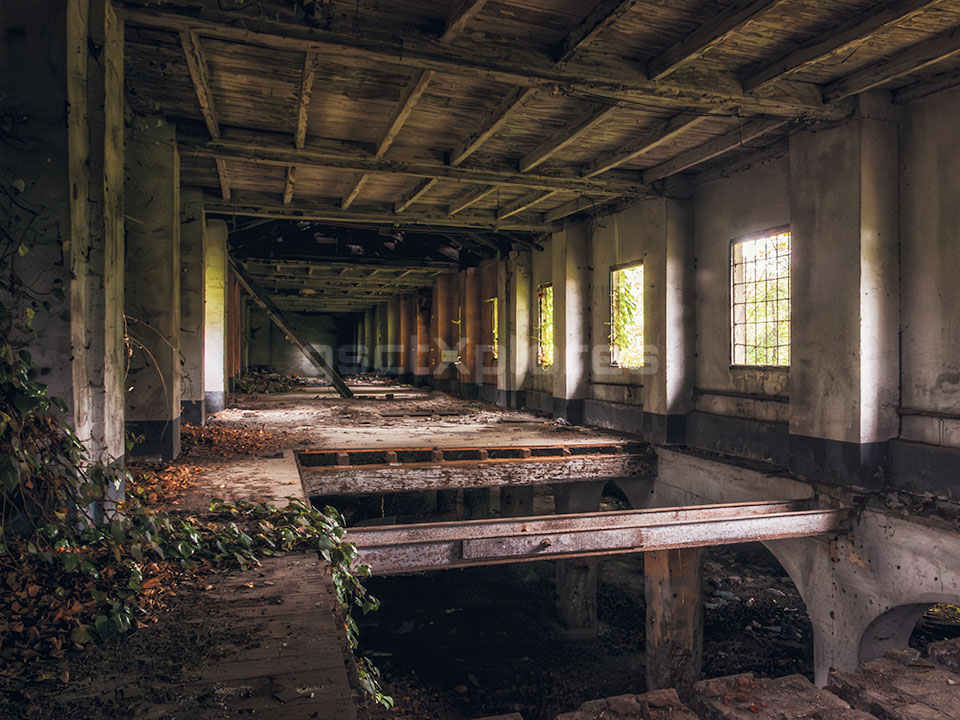
In the 16th century, the wool industry intensified and new structures were developed. In 1629, Giovanni Napione was commissioned to renovate the only paratore still in operation, which was showing signs of deterioration. The management of these establishments was regulated by council acts and rental contracts, often entrusted to local entrepreneurial families.
The structures at that time were simple but functional: large masonry rooms with machinery such as spinning wheels and fulling machines, used for processing wool and producing cloth. Their location near the watercourse was essential, as they harnessed the power of the water to power the mills and fulling machines.
In 1764, under the project of Gerolamo Buniva, work was carried out to improve the gradient of the Rio Moirano, upgrading the existing facilities and expanding the buildings for dyeing and cloth production. The growth of this industry led to an increase in production and to awards and recognition, even during the Napoleonic period, when the locals were commissioned to supply clothing to the Savoy army.

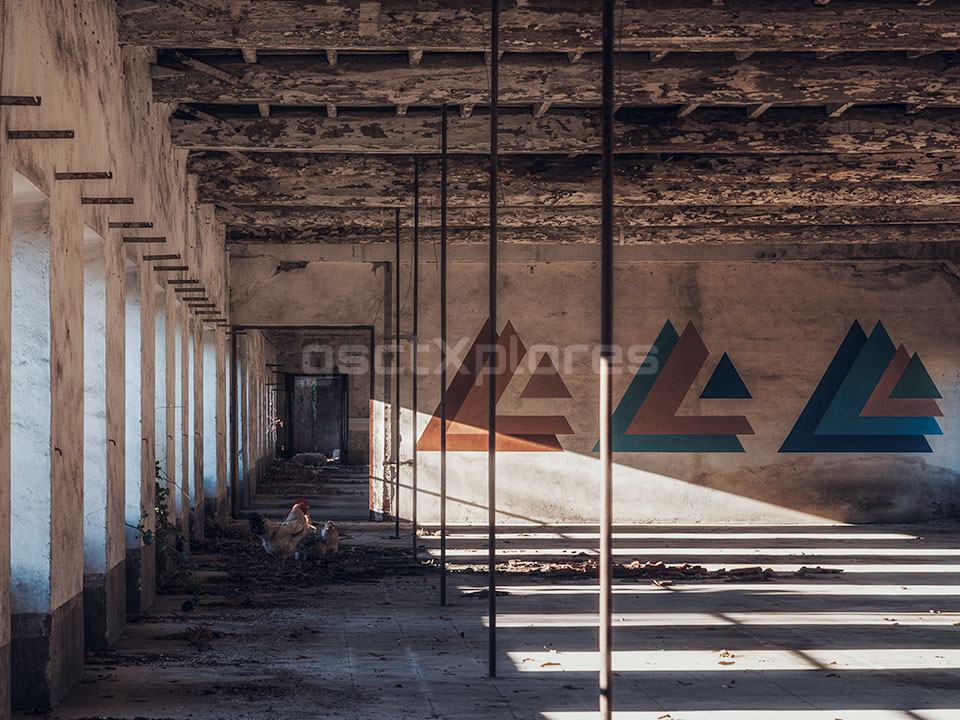
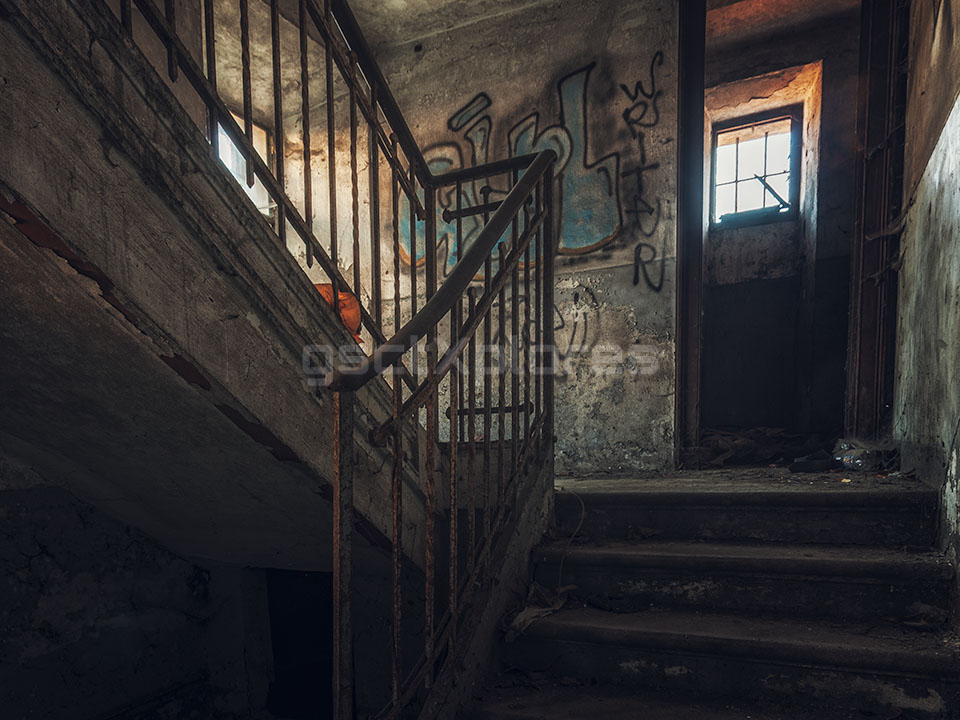
Between 1800 and 1900, the complex expanded further. In 1826, a major doubling of the facilities was planned, with new warehouses, spinning machines and oil plants, to solve the problems of odour and space. The site was transformed into a veritable industrial giant, with a growing focus on technology and efficiency.
In 1877, the production of high-quality lace, embroidery and fabrics was consolidated under the management of the Arduin family and, later, the Brun family. The fame of the lace factory grew so much that, in 1898, a panoramic view showed the entire area in full swing.
At the beginning of the 20th century, the complex underwent further modernisation, integrating hydroelectric turbines and expanding the warehouses. After the Great War, the company returned to full capacity, with up to 200 workers. However, time was not kind: with the economic crisis and industrial transformations, business began to slow down.
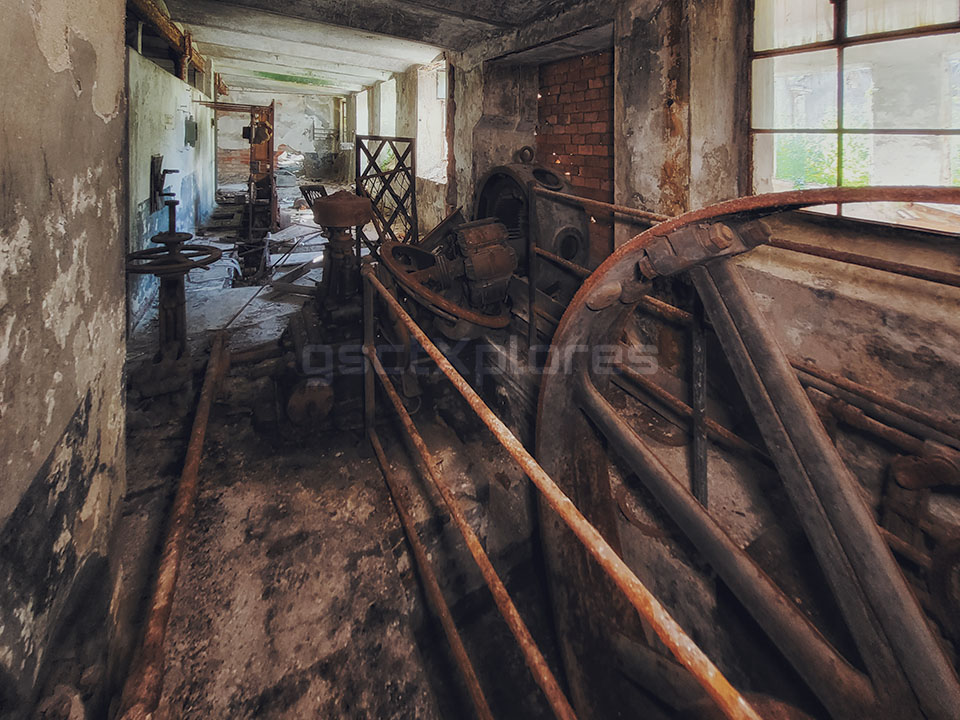
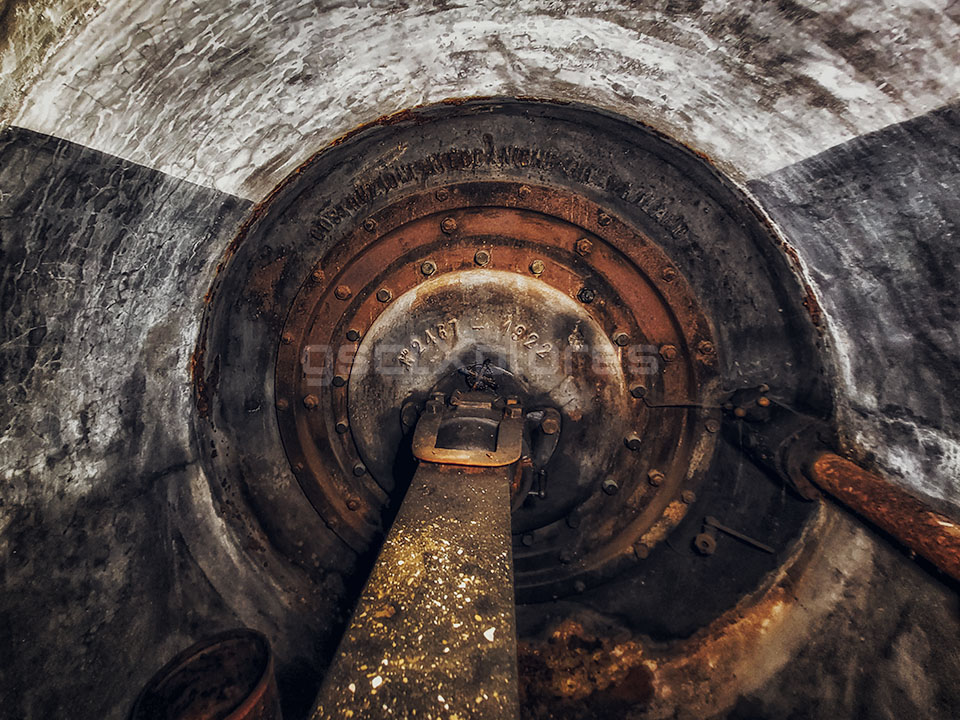
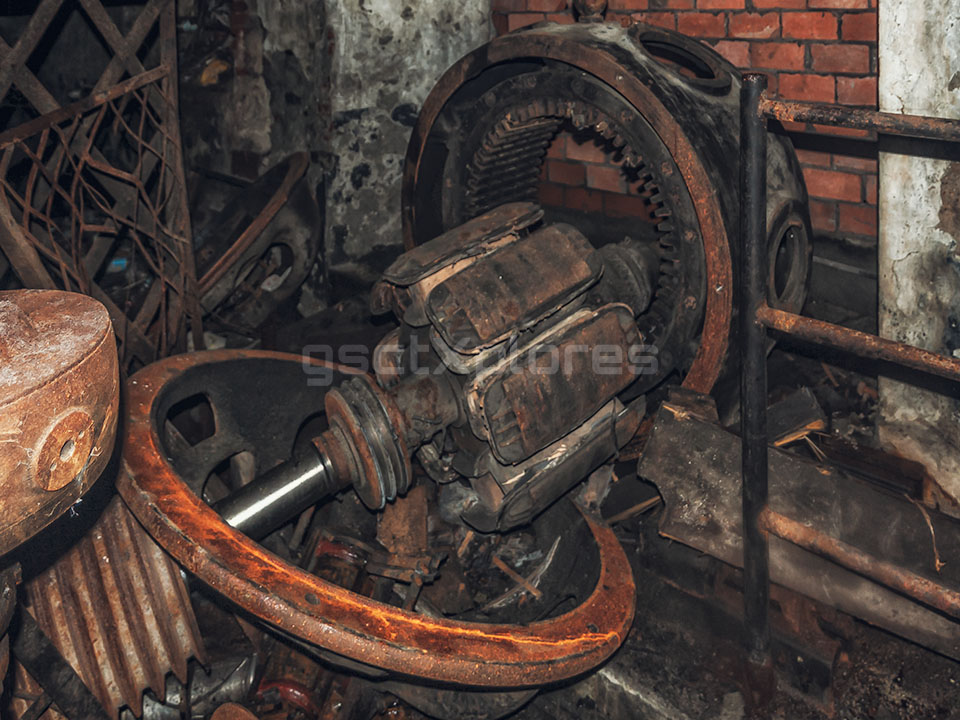
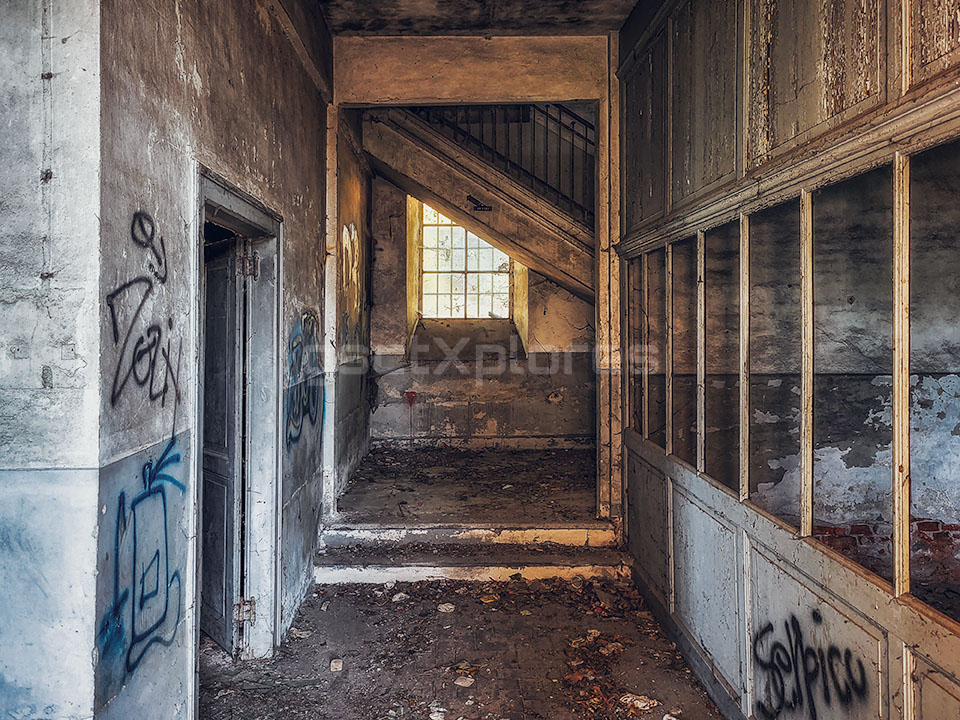
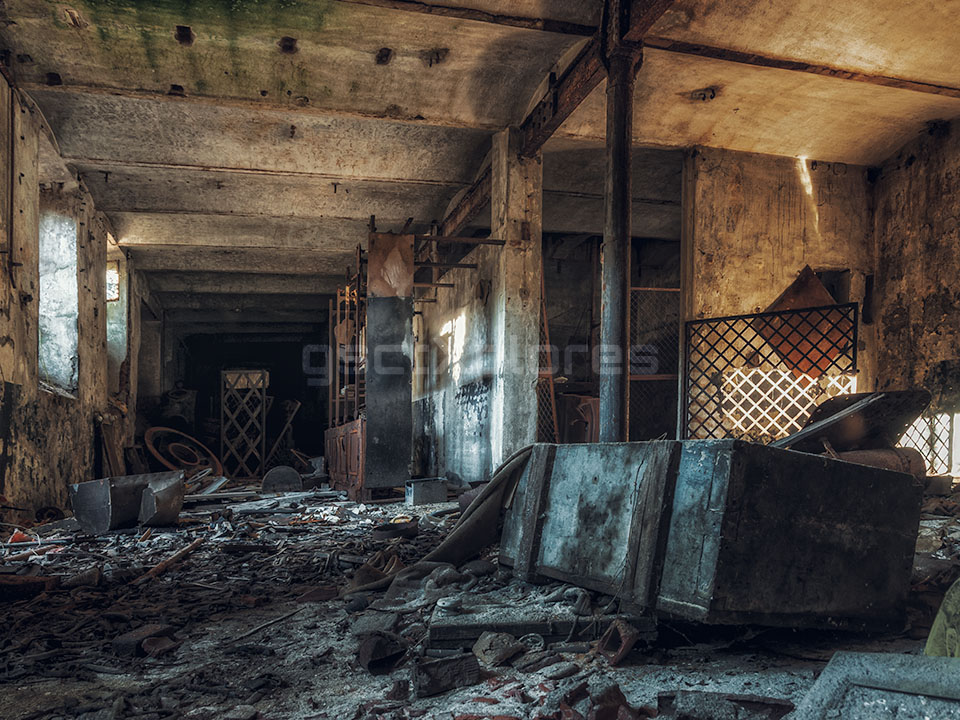
In the 1970s, the Türck Lace Factory transformed into a more flexible company, but the decline was now evident. In 1977, the company closed down permanently, leaving behind a legacy of abandoned machinery and structures. The area was designated as public green space, but its historical and cultural value seemed destined to be forgotten.
Between arson attacks and redevelopment proposals, the area remained in limbo. In 2013, a fire devastated part of the building, fuelling calls for demolition. The city was faced with a dilemma: should it preserve or eliminate such a complex and symbolic heritage?
In recent years, several solutions have been put forward: from the reconstruction and restoration of the site as a cultural and museum space to the idea of transforming it into a textile industry theme park. However, administrative and urban planning issues remain unresolved, and the fate of the lace factory remains uncertain.


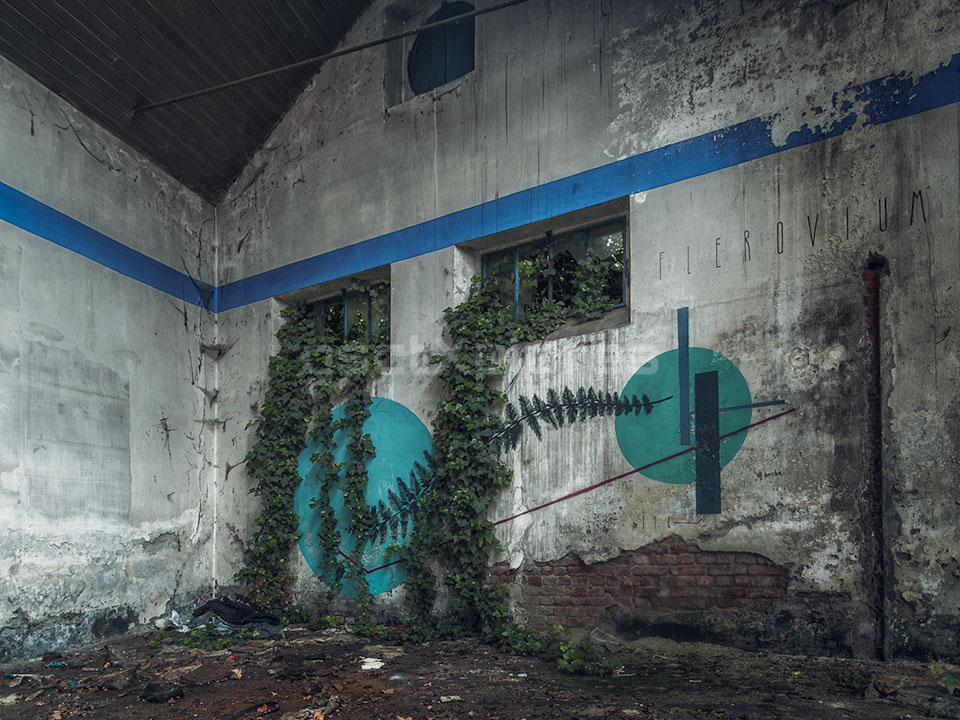
The Türck Lace Factory is much more than just a building: it bears witness to an era of great industrial ferment, ingenuity and hard work. Its history is intertwined with that of a city that has been able to change and adapt, but also to lose parts of itself. Now the future of this symbol lies in the hands of those who want to enhance it, respecting its memory and past, to build a tomorrow that recognises its value.
This document was created thanks to the collaboration of the following, to whom I show my upmost gratitude:
– Italia Nostra APS
– Marco Calliero (Ruote sull’acqua)
– Pinerolo Municipality(Strumento Urbanistico Esecutivo Zona di PRG RU5.1. sub.A)
– The Tūrck family.
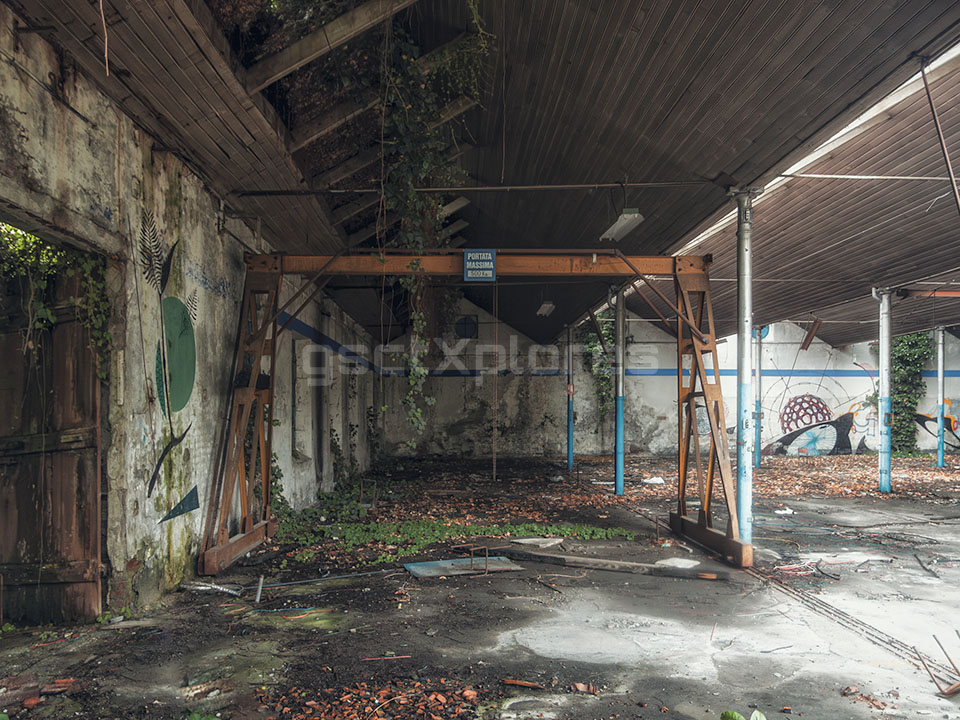
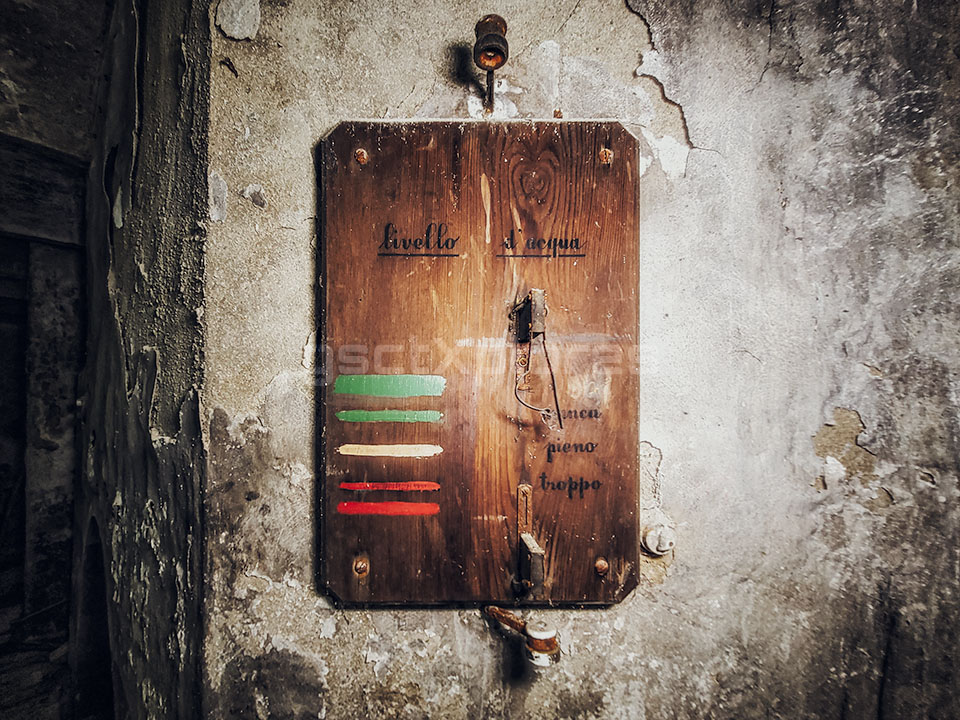
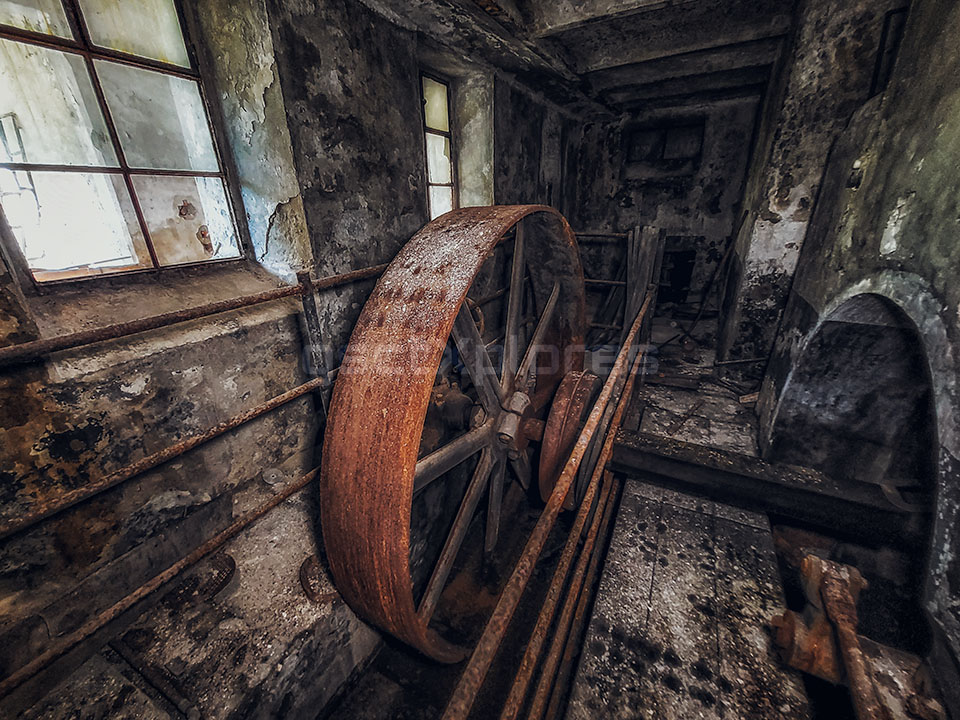
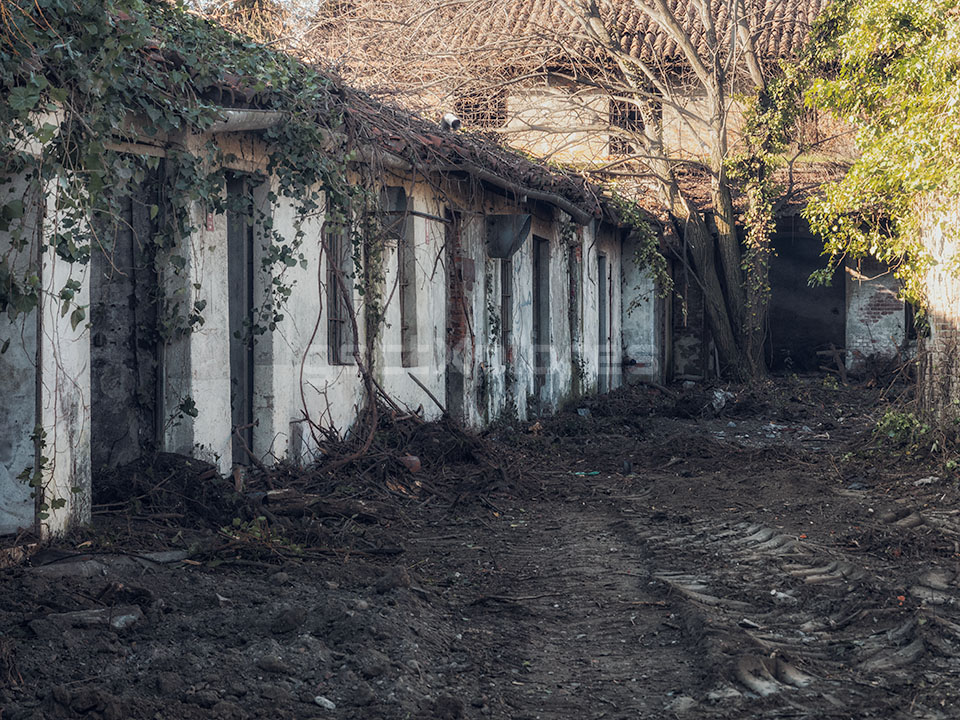
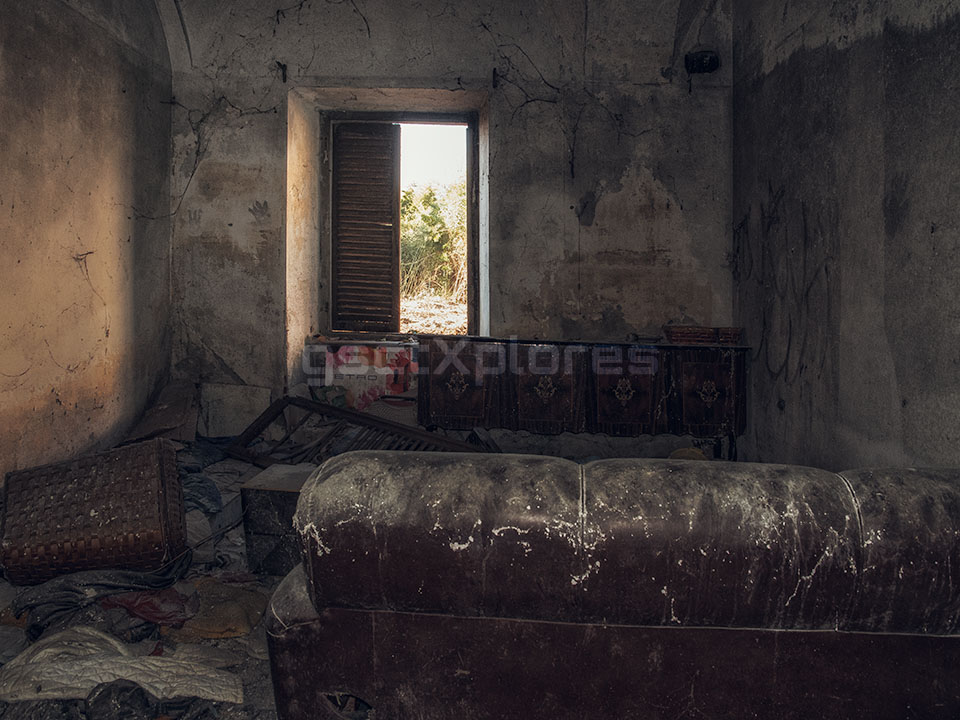
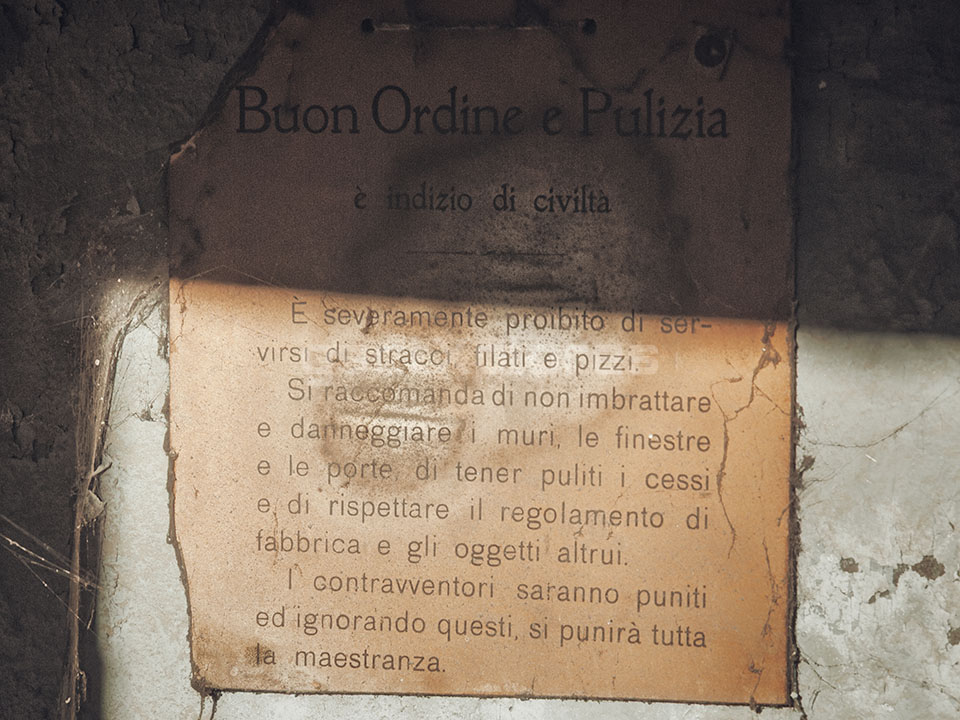
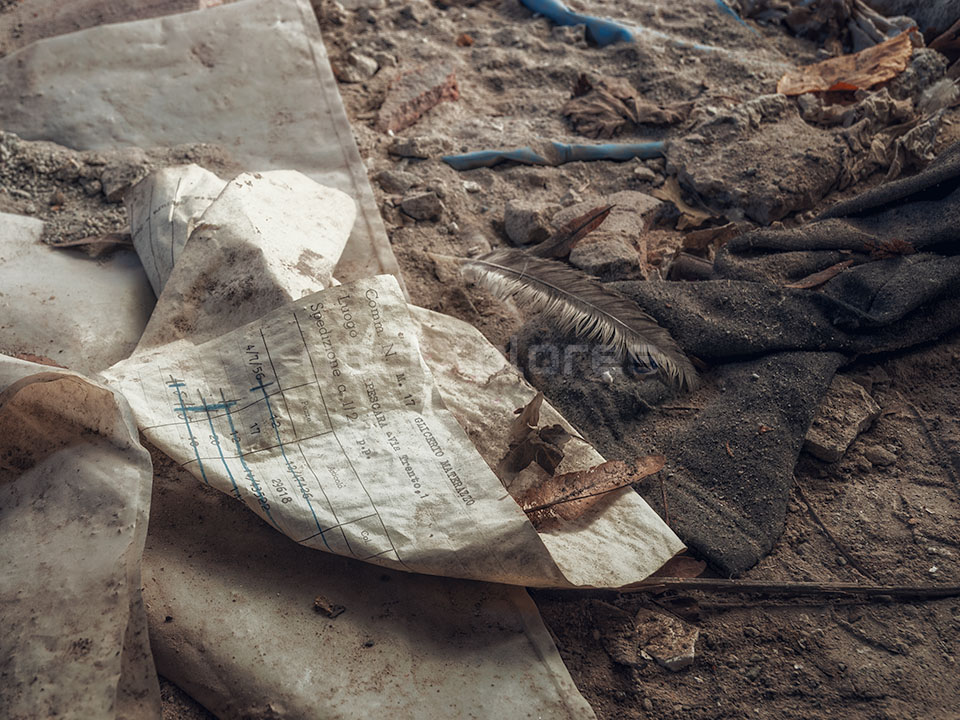
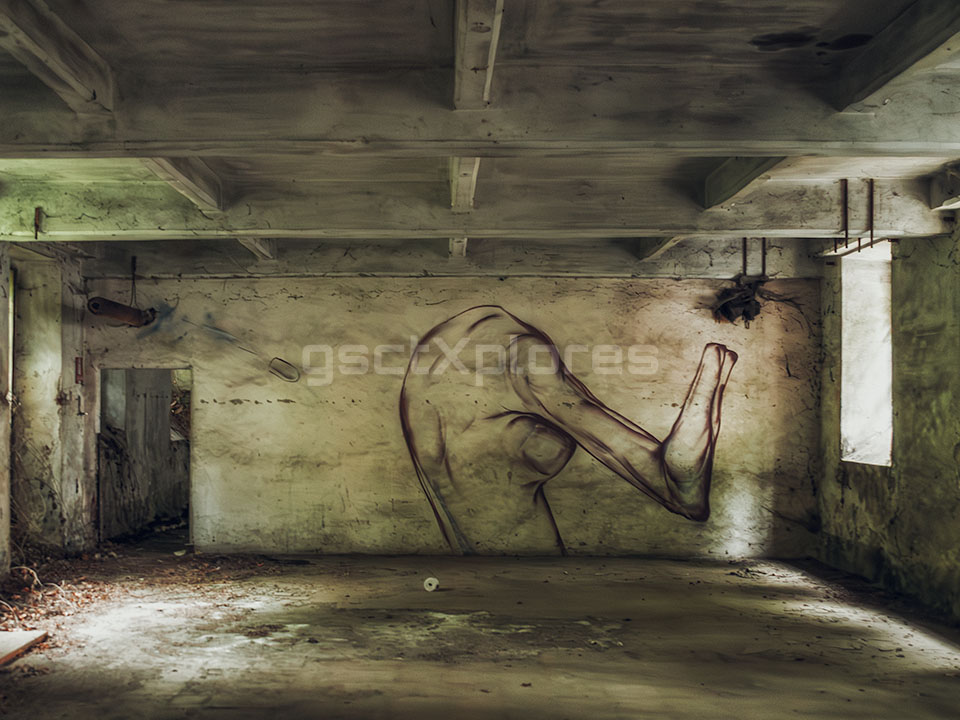
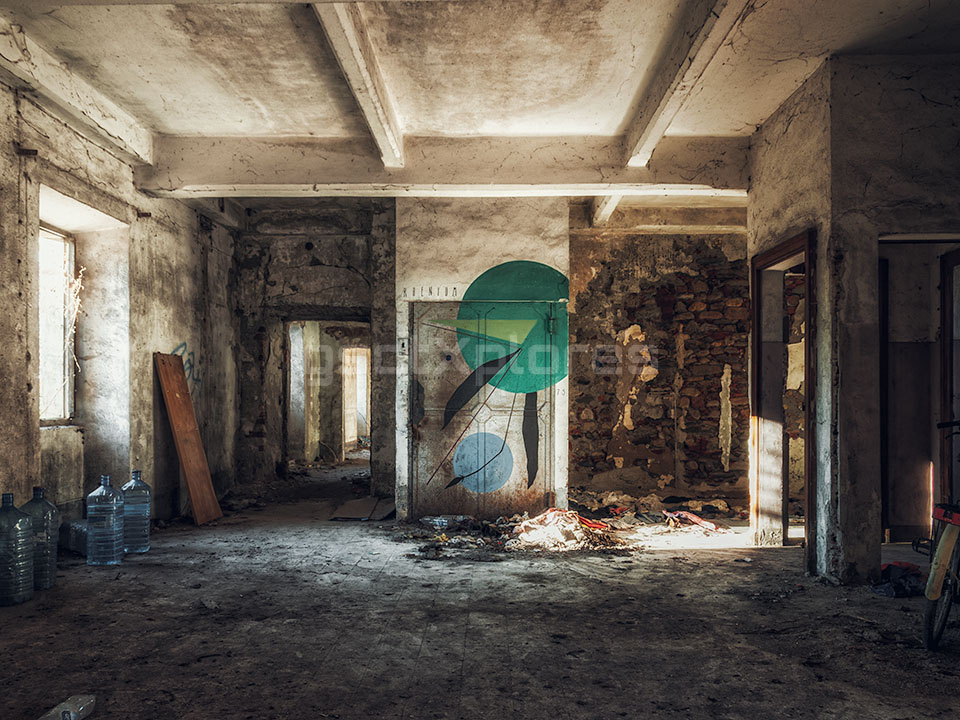
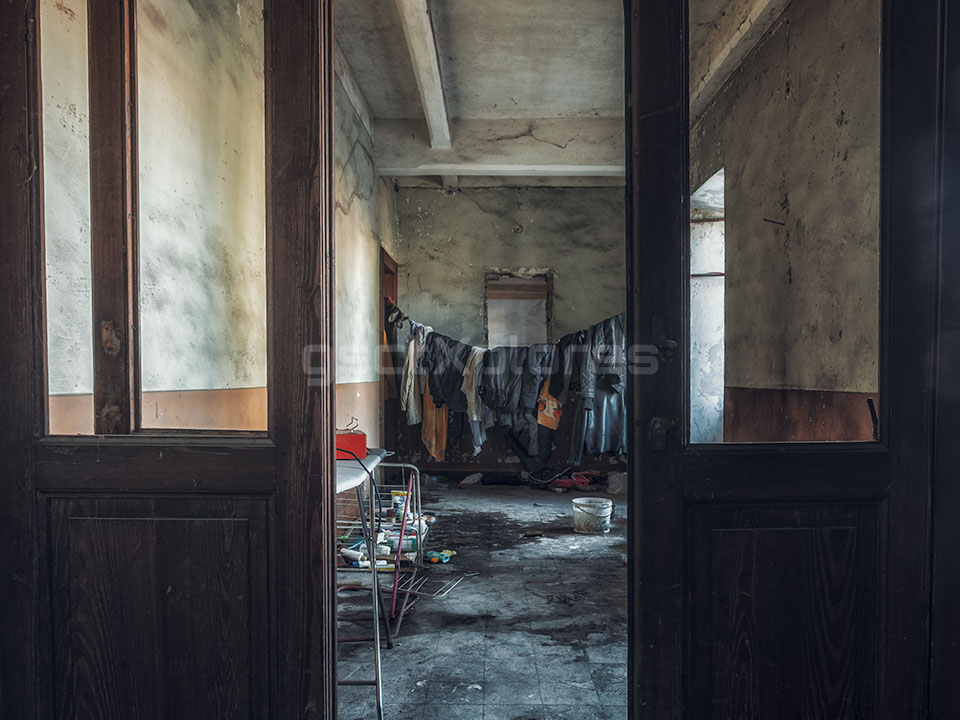
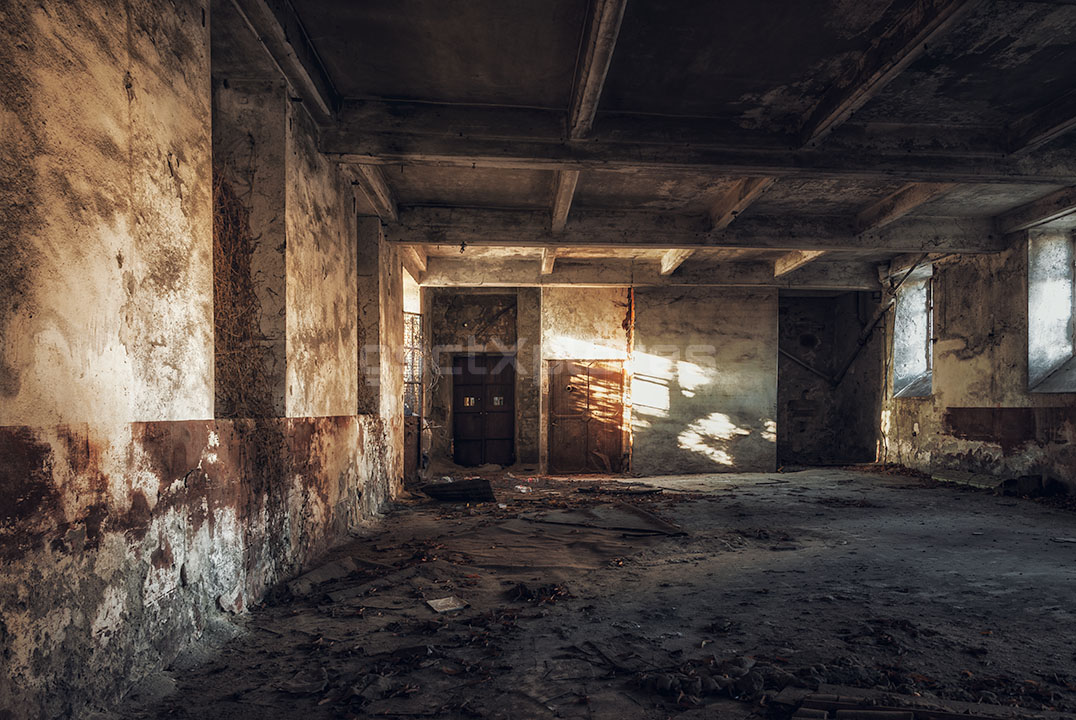
Please find below the complete gallery of photos, and after that, the extended exploration video of the lace factory.












 gsctXplores