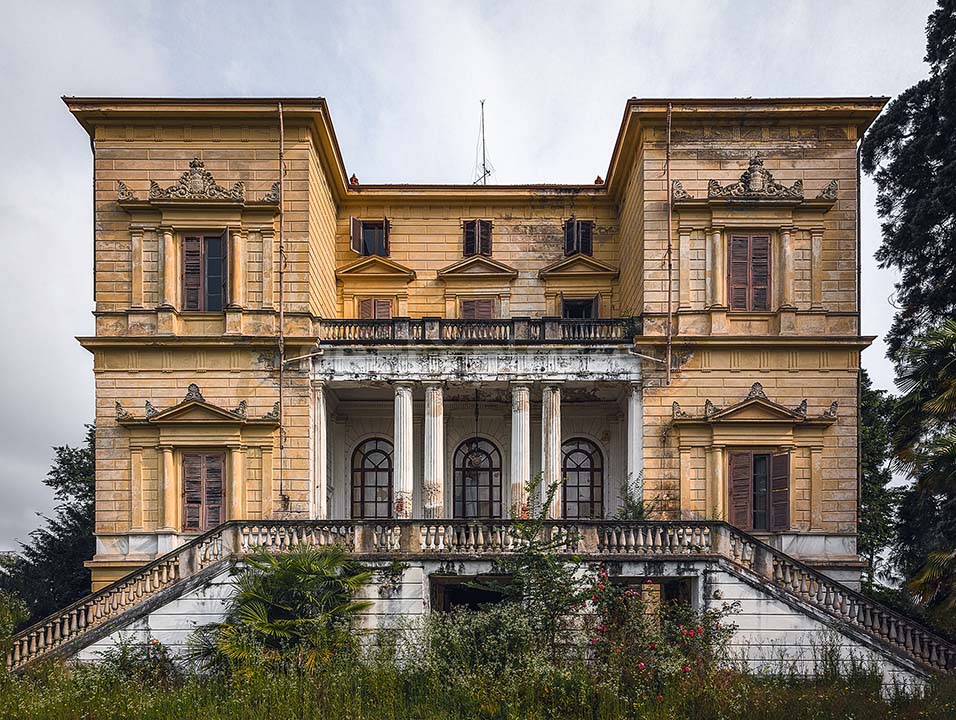
Xplorarion date 08/06/2025
Discover the haunting beauty of an 1851 noble villa with grand halls, exquisite frescoes, sprawling historic grounds and ever lasting legal battles—an untouched masterpiece waiting to be restored to its former glory.
The Villa
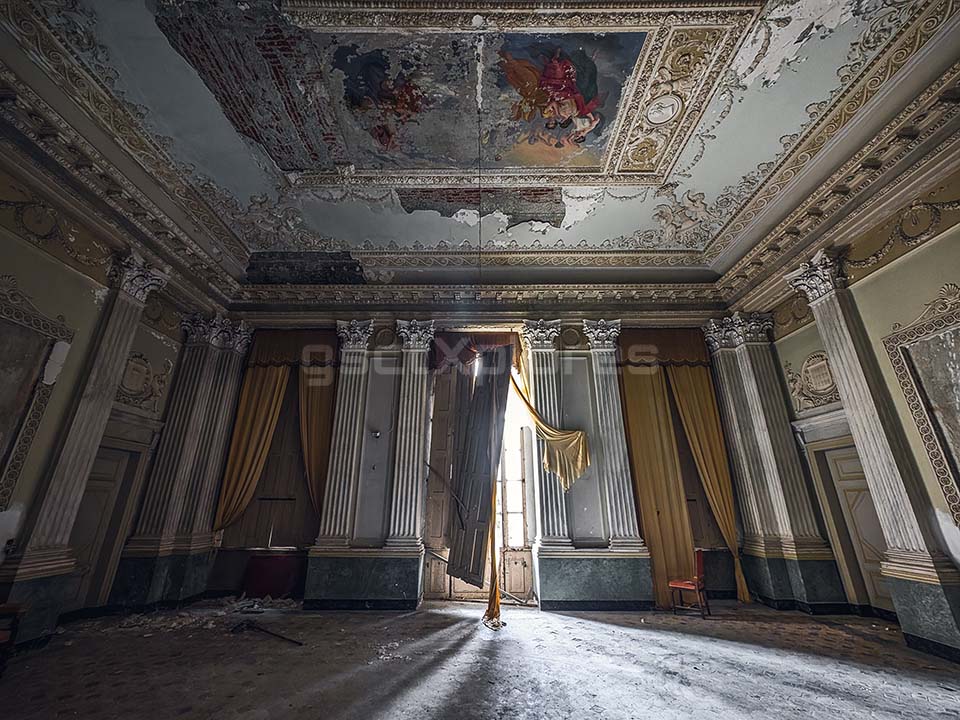
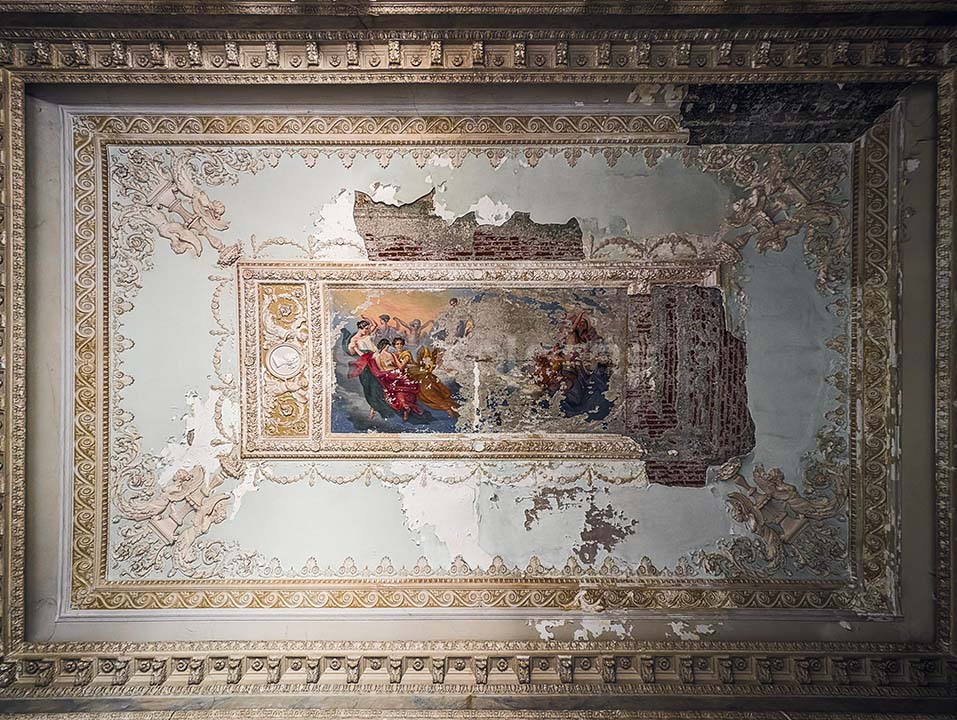
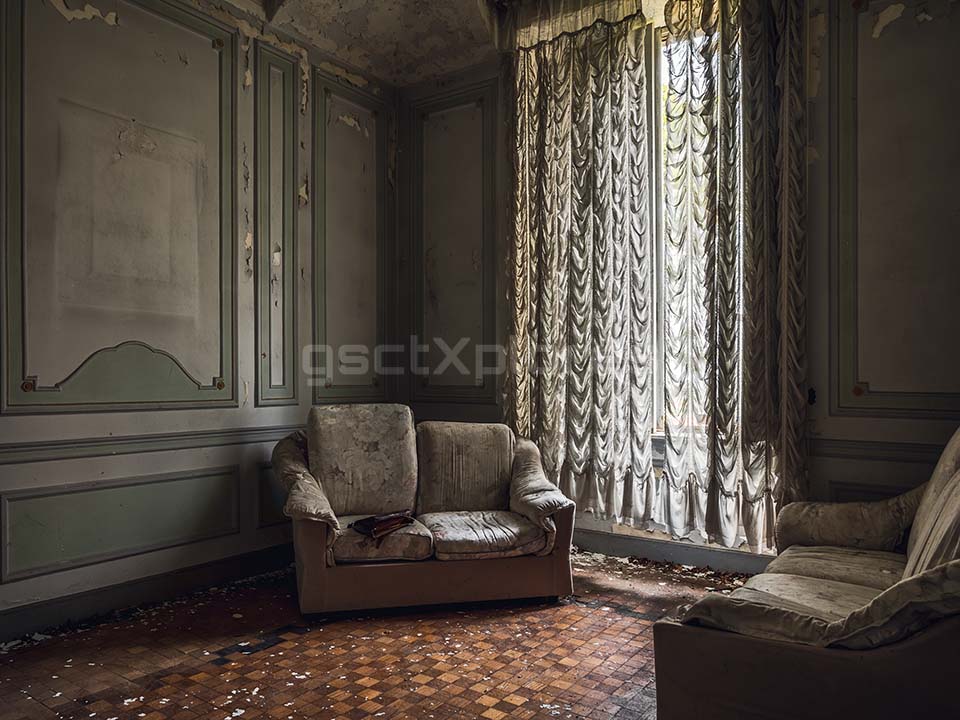
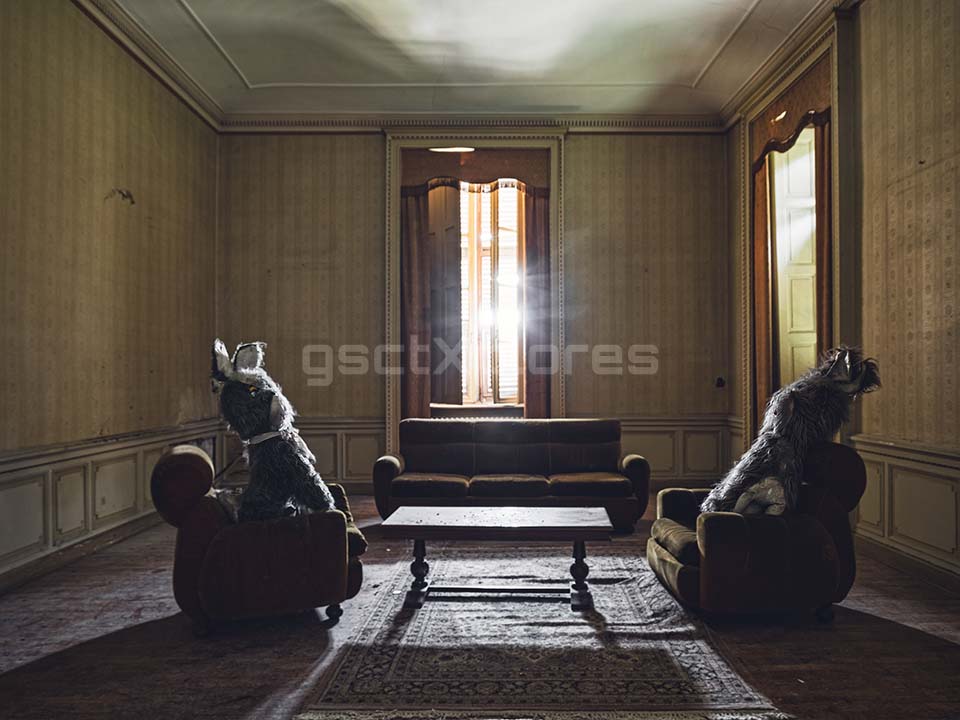
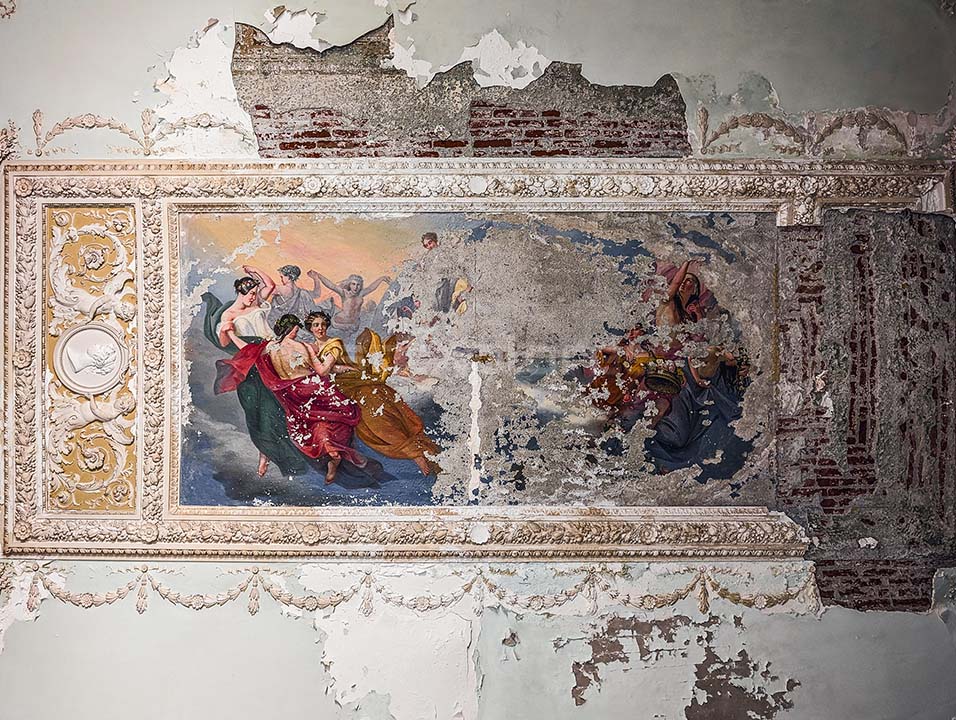
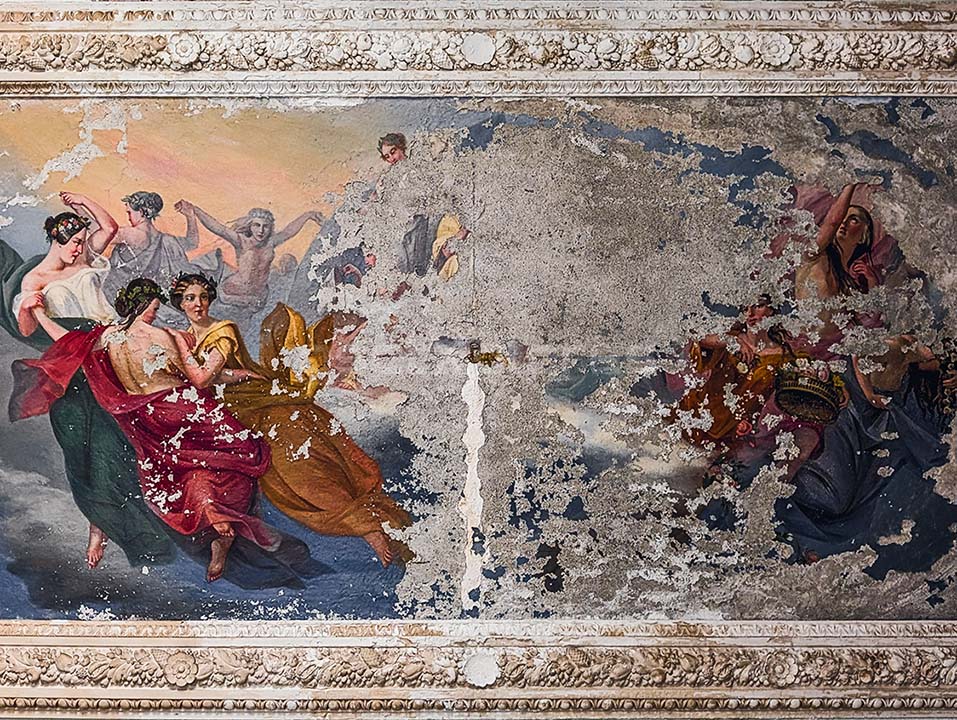
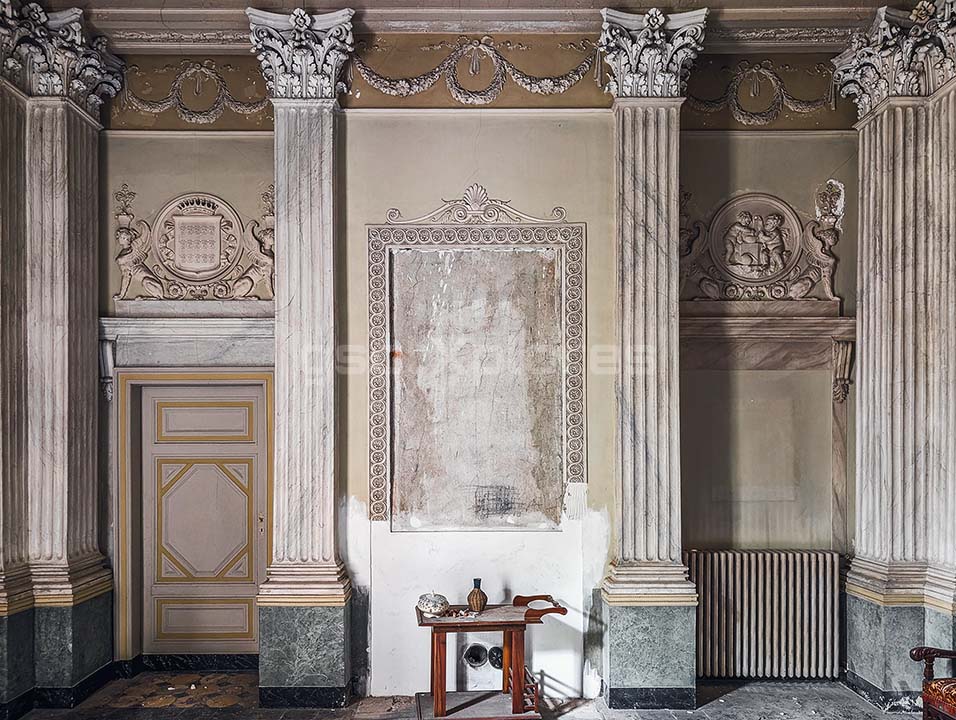
This historic villa, a majestic building constructed in 1851 was designed by architect Sada in the style of elegant sixteenth-century architecture. It was first owned by Count Cesare Renato Virago. It features two main architectural orders: Doric and Composite, which essentially shape its decorative elements. A grand stone staircase with two ramps leads to the main entrance. Inside, guests were struck by the grandeur and richness of the decorative details. The spacious entrance hall is entirely adorned with exquisite stuccoes and frescoes, while the central salon, with its 6-meter-high ceilings, is the heart of the residence. It was once used for ceremonies and dances, but today, the crumbling stuccoes on the ceiling and walls give only a small idea of the long gone splendor. In the (not so distant) past hung a majestic Empire-style crystal chandelier, which apparently has been sold to an American client. Locals informed me that even though some of the villa’s belongings were sold, how they were acquired, and who acquired them is unfortunately presumed to be quite shady.
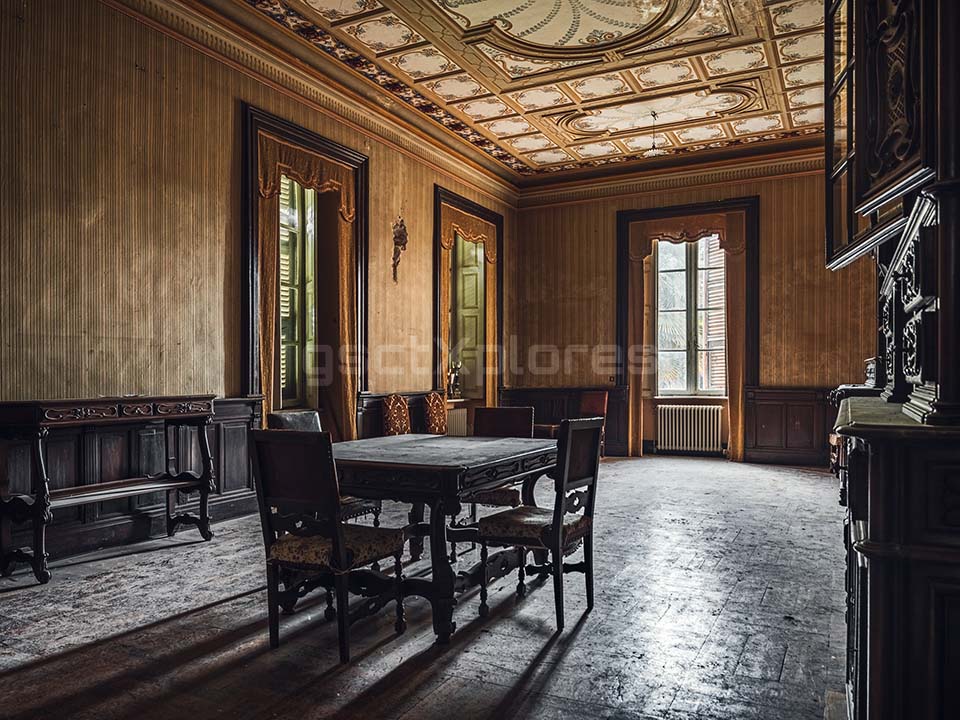
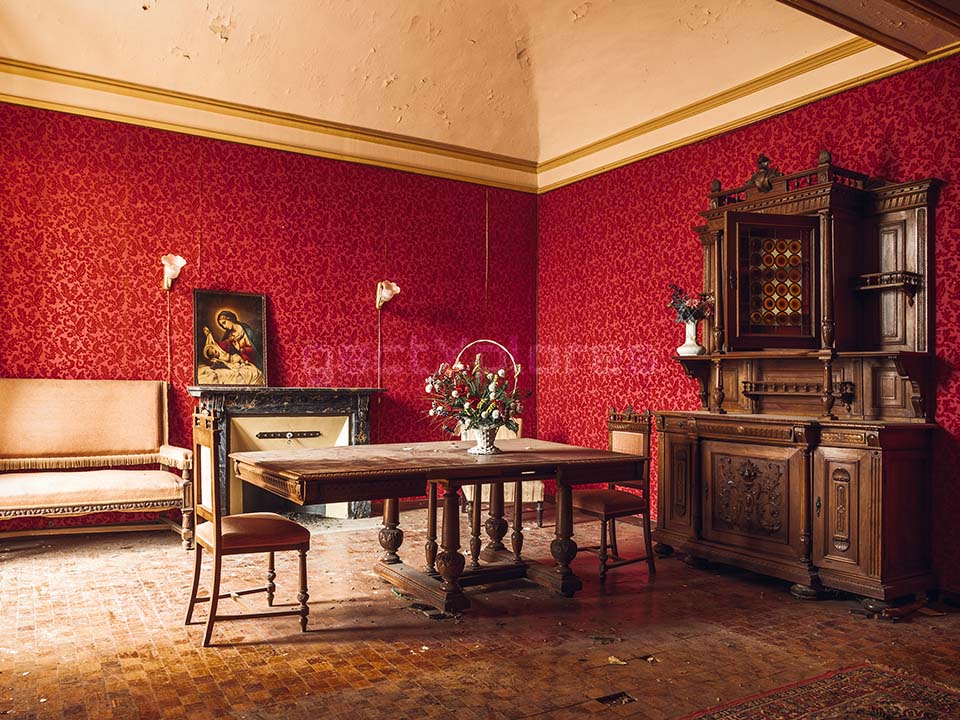
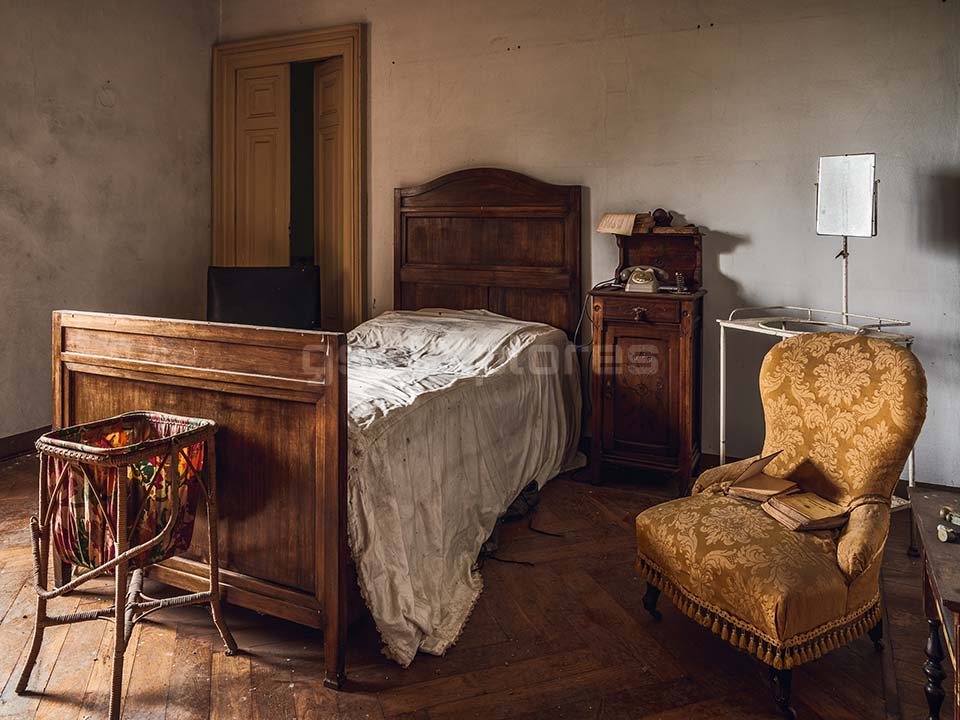
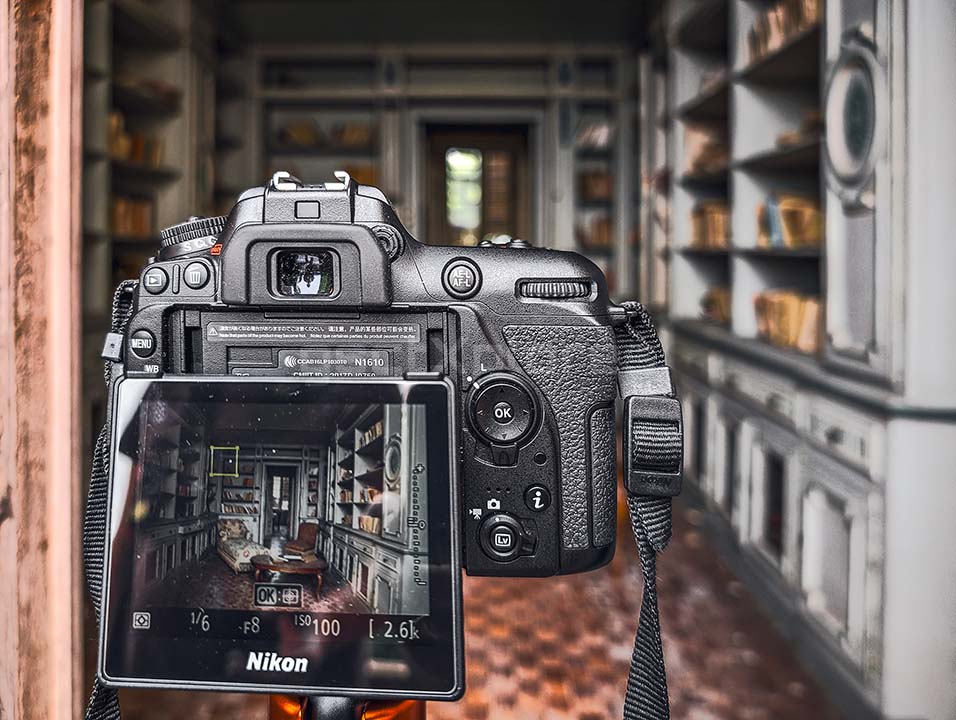
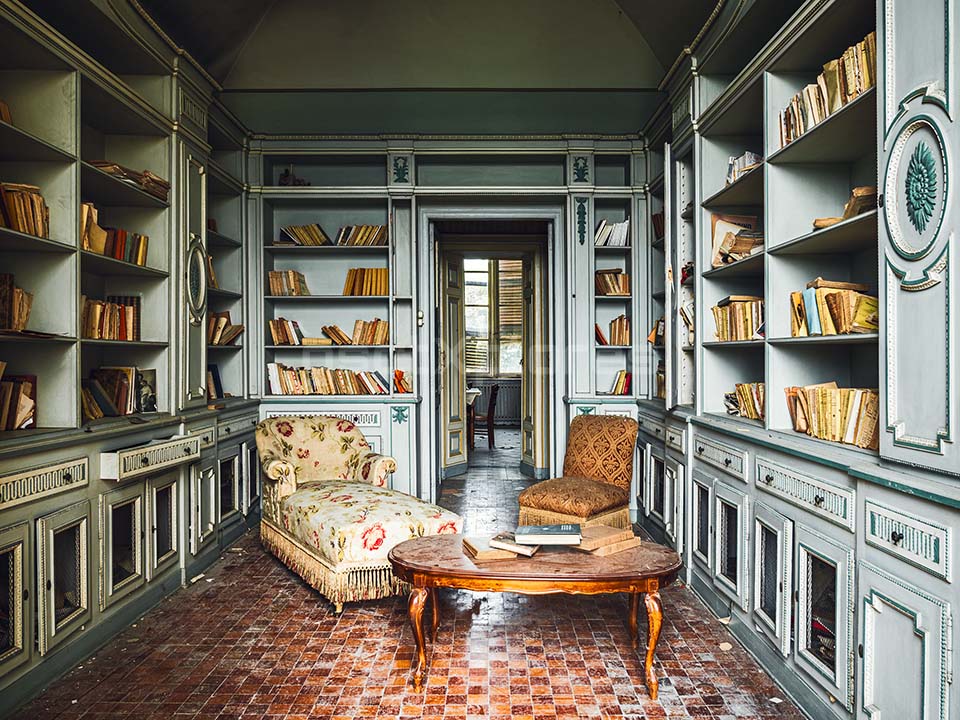
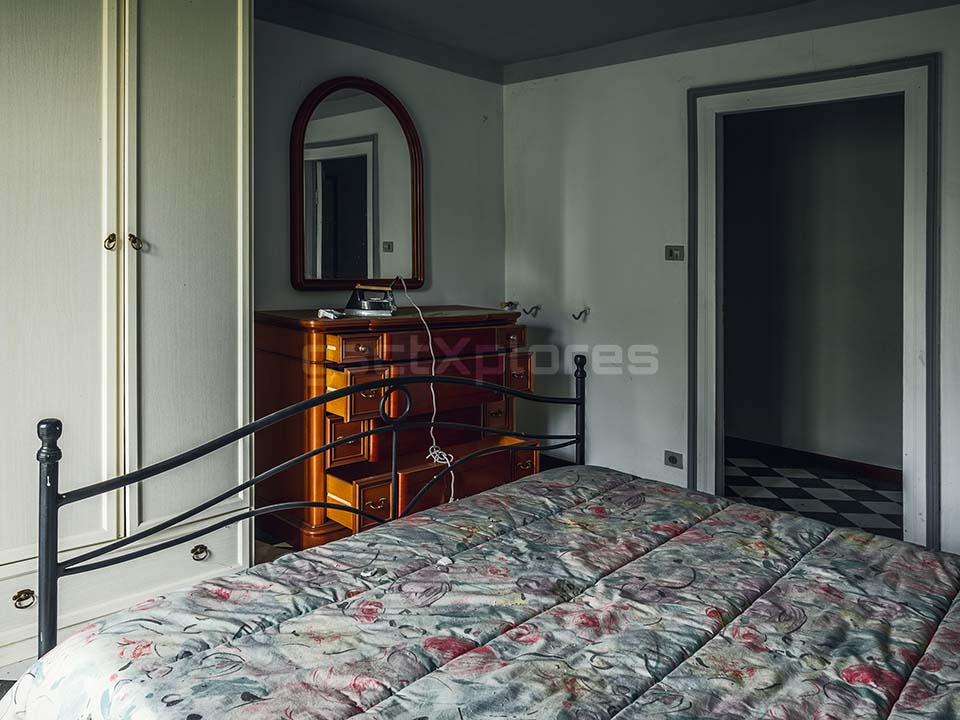
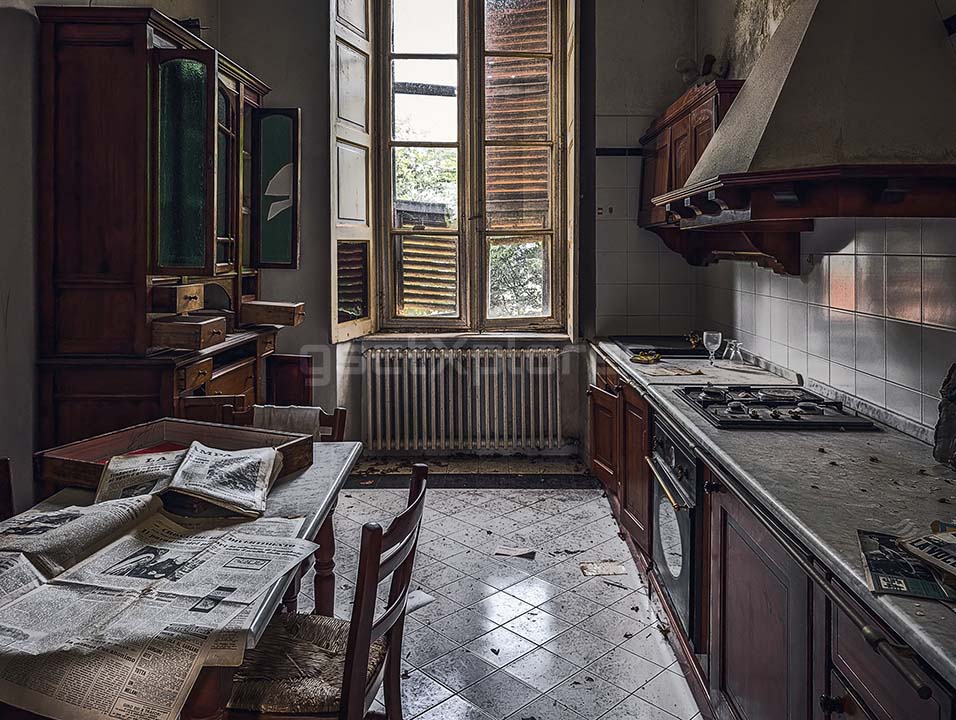
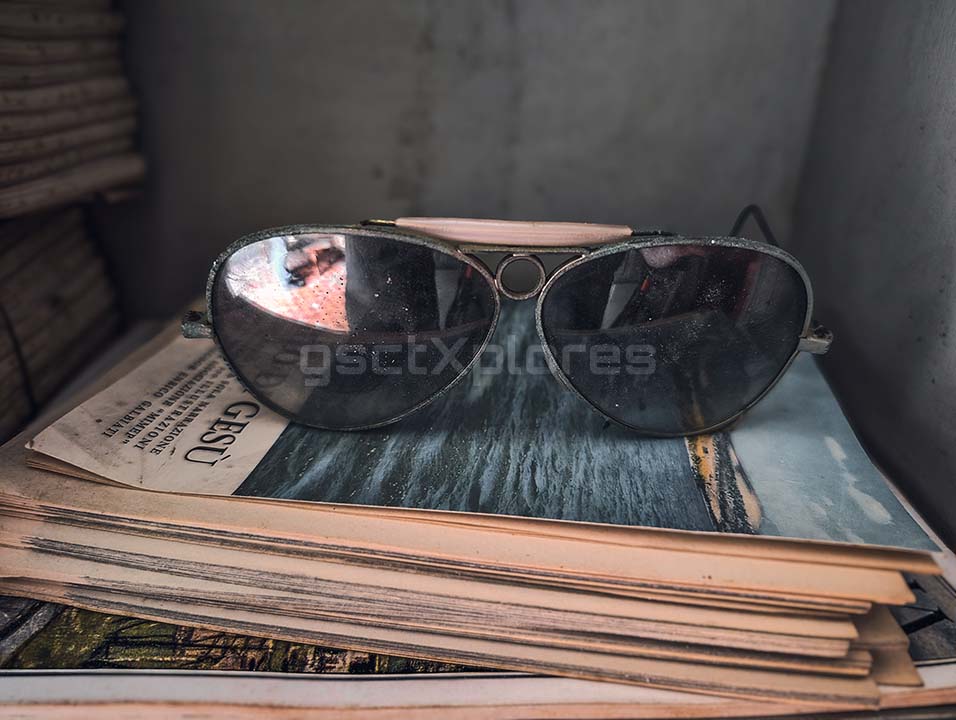
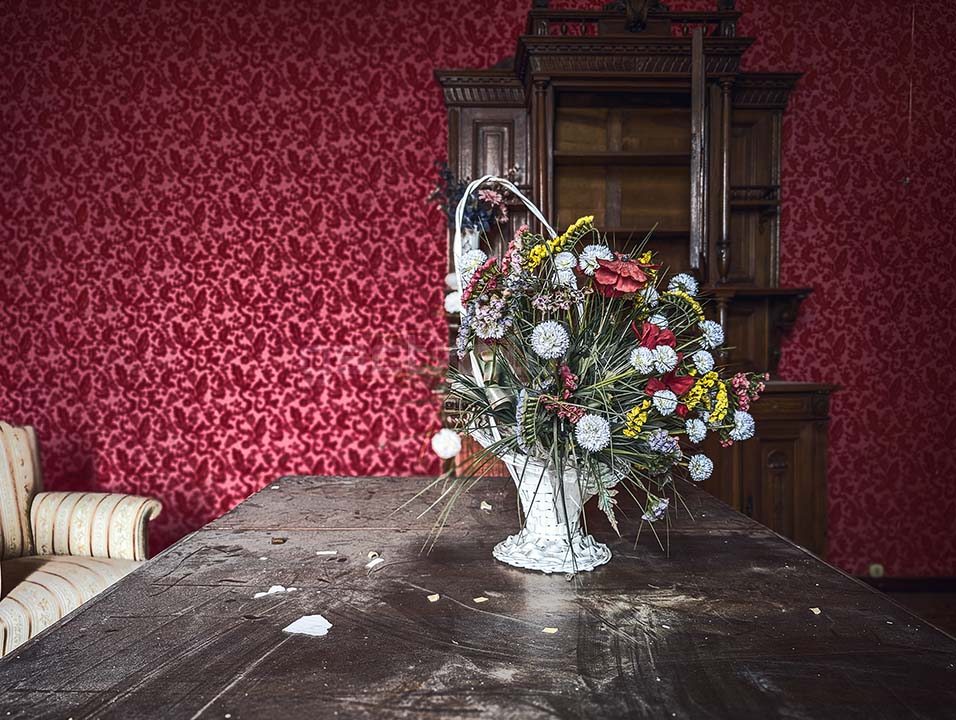
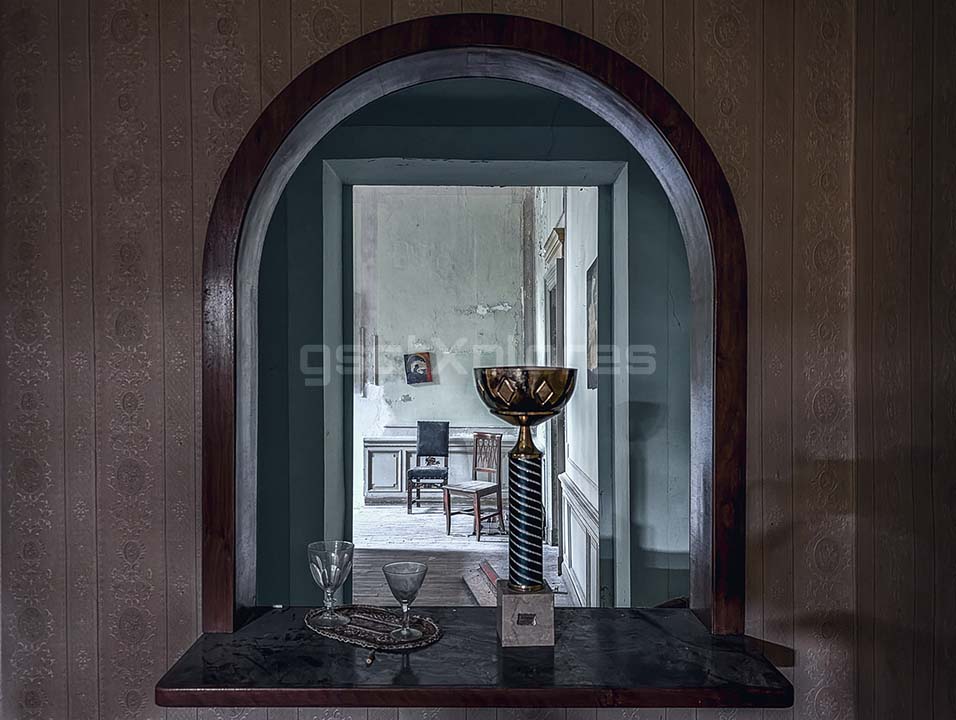
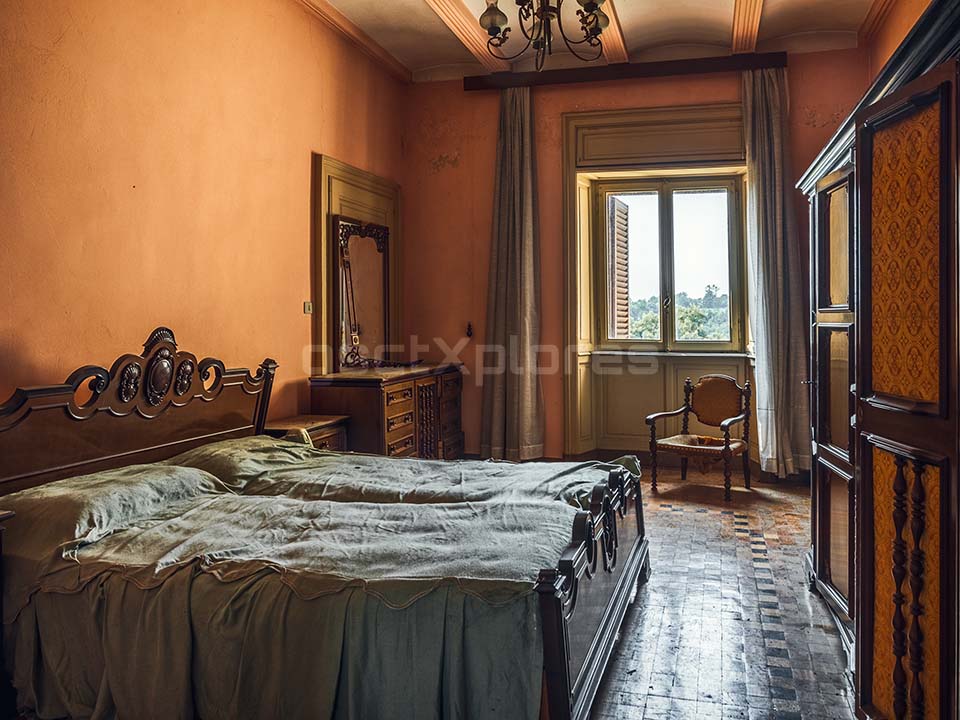
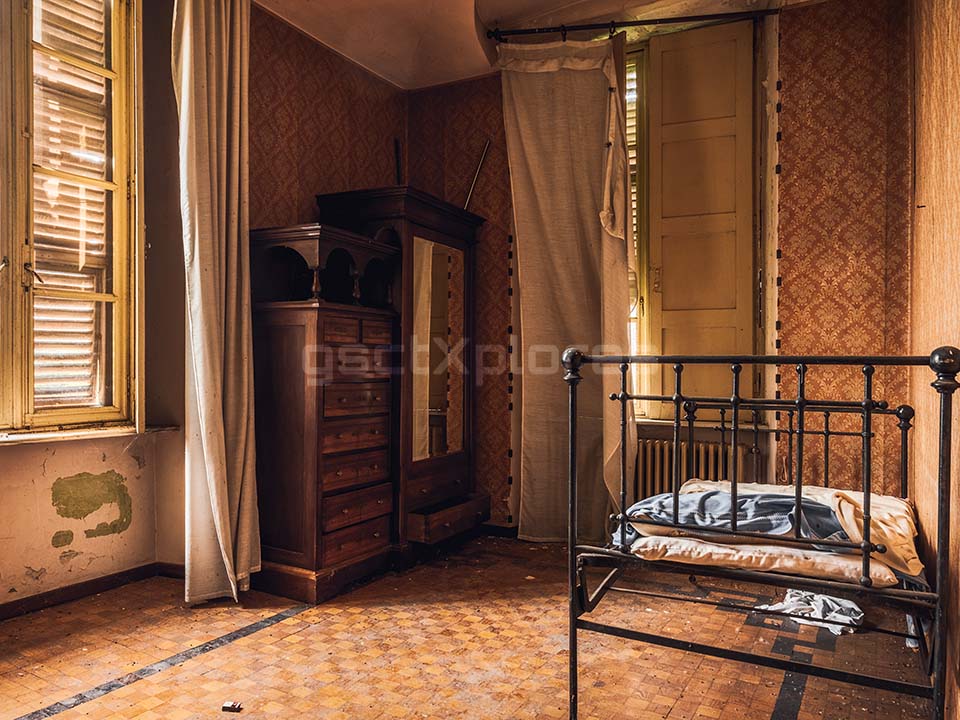
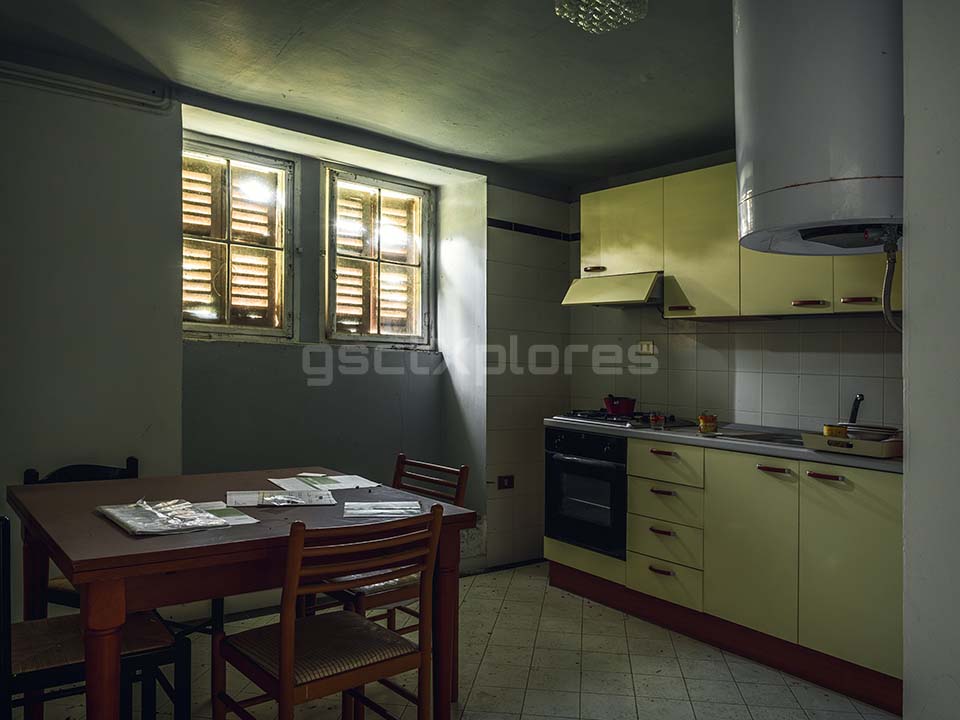
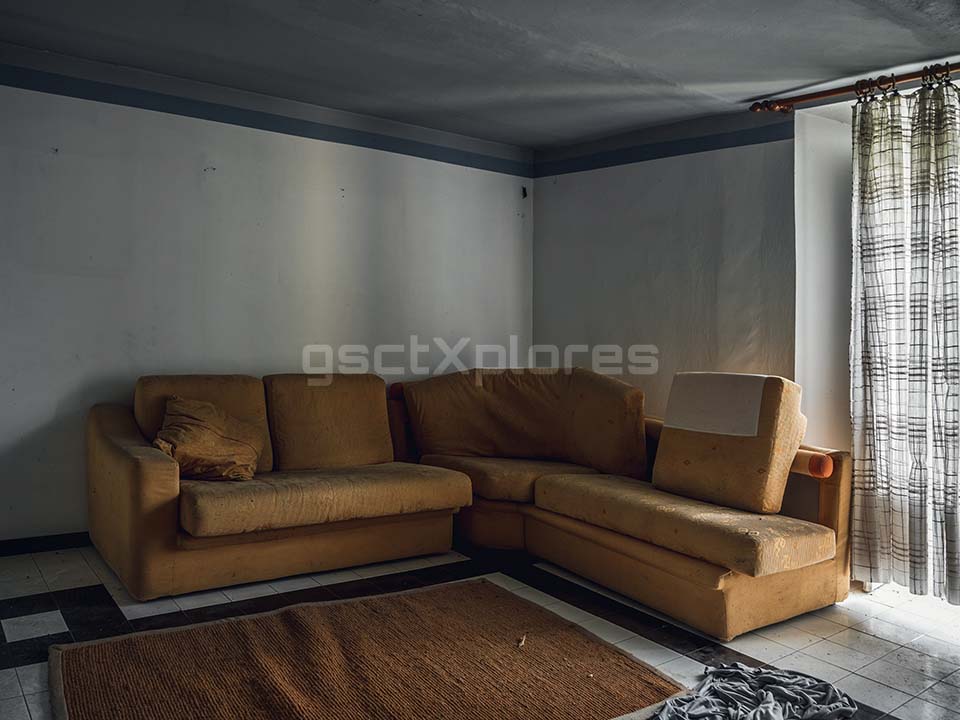
On the first floor, there are two additional salons and a billiard room, all featuring original parquet flooring from the period. There is also a mezzanine level, which was once used as quarters for the staff, and the noble floor, where bedrooms, a library, and studies are located. The large kitchens can still be seen in the basement. The library, quite easily the most impressive part of the villa, contains furniture, books, family photos and an archive of documents describing the last residents of the building. Not only does the library impress, the bedrooms, and living areas are all, amazingly, still furnished. Beds are made and lush furniture reminds us of the once vast wealth of the previous owners, of which there have been many, from aristocrats to business entrepreneurs. However, all the chandeliers are missing….sorry….sold.
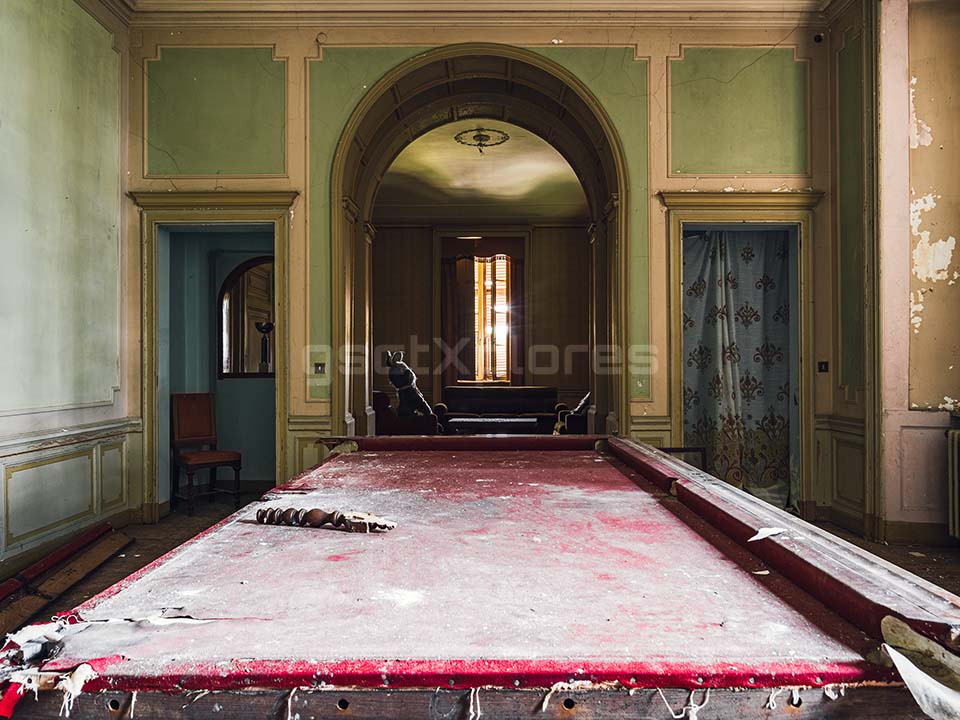
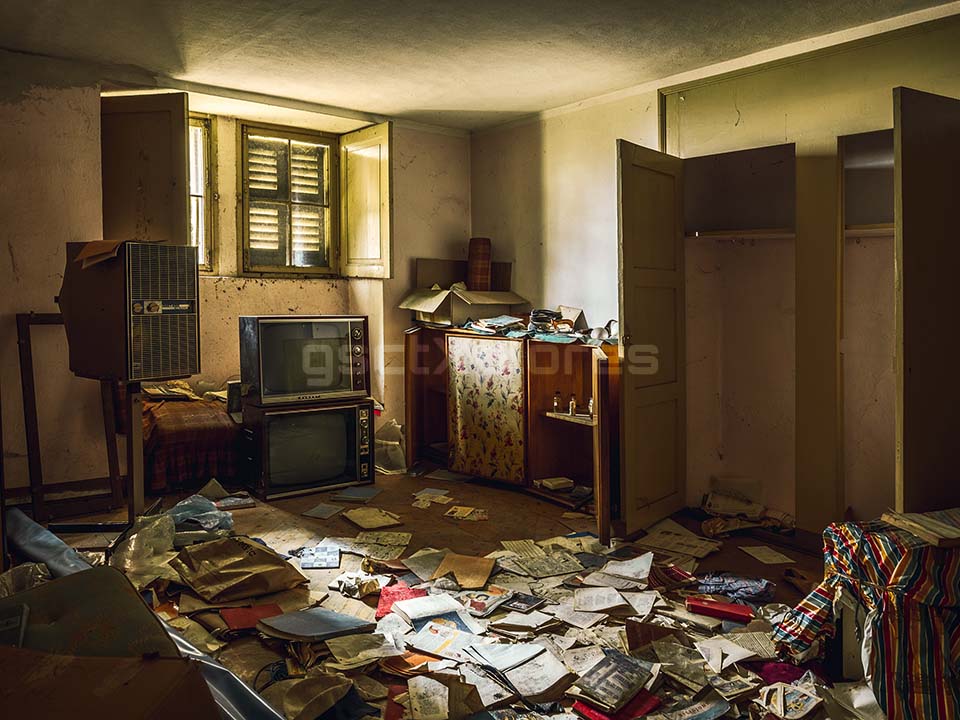
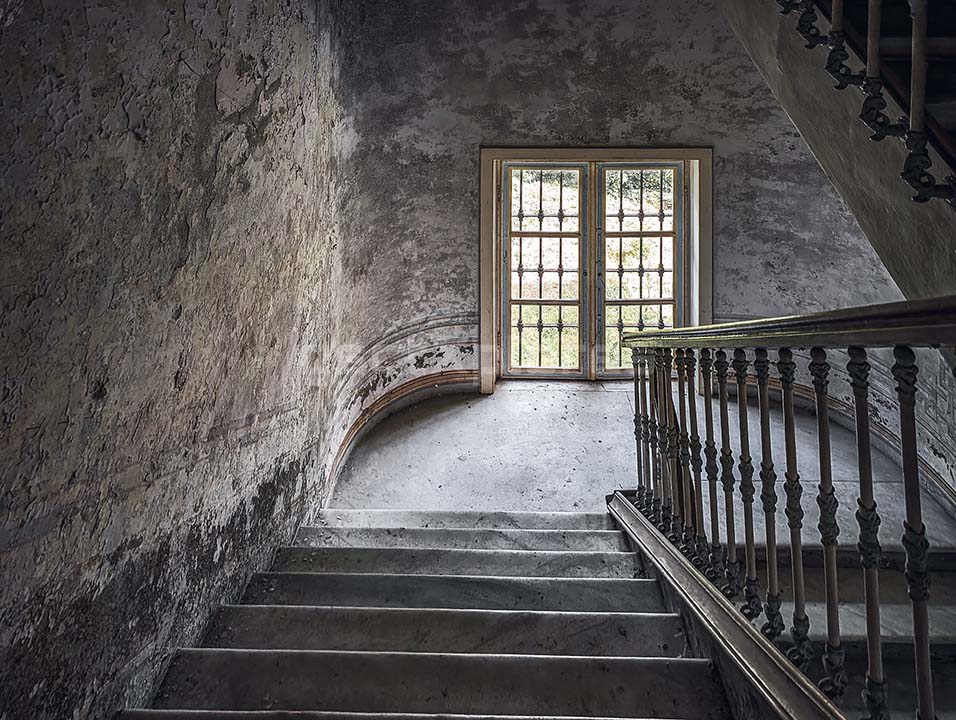
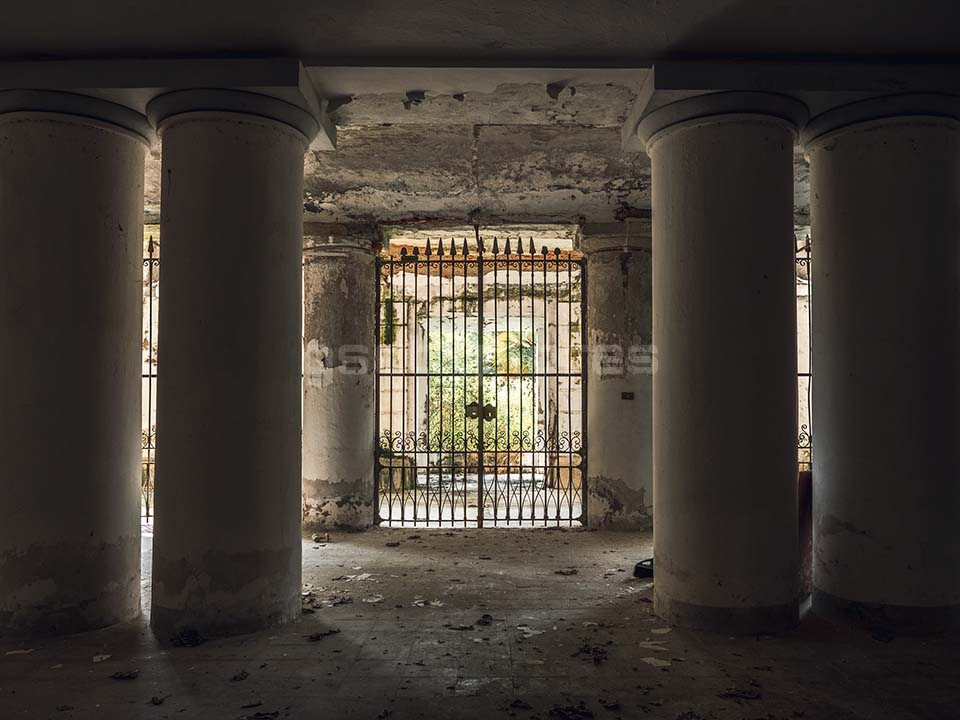
Surrounding the villa is a vast park with centuries-old trees and rare shrubs, which houses the citrus groves, greenhouses, stables, carriage houses, and a farmhouse once inhabited by estate managers and gardeners. The property covers a vast area and has a historic park of around 110,000 square meters, fully enclosed with fencing, along with period stables. Unfortunately these buildings were not explored and there are as such, no photos to show.
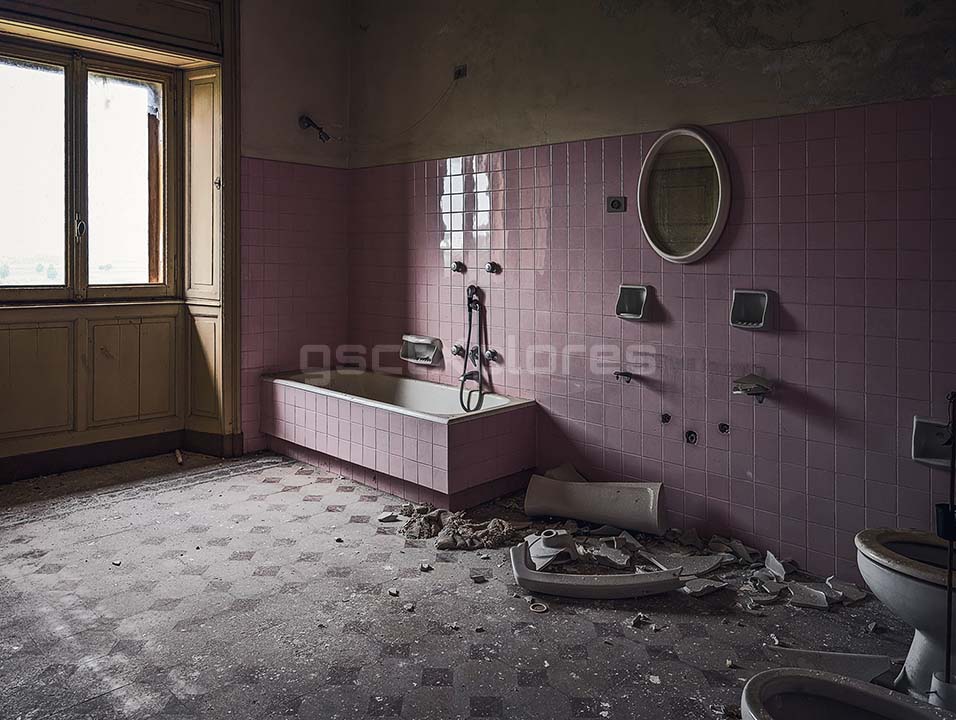
Since the death of the last owner, the villa has been in a state of neglect and disrepair even though it was last restored in the 1980s; however, its significant artistic value makes it worthwhile to restore and bring back to its former splendor. The villa was last used in recent times to host the local town festival (only the grouds close to the main gate were used). Plans to use the villa for hospitality failed due to the large funds necessary to restore the building.


The Count
Count Cesare Renato Birago, brother of Marquis Carlo Emanuele, often envisioned constructing a grand villa after inheriting his brother’s extensive lands around the village where they lived. Despite Carlo Emanuele’s discouragement, Cesare Renato persisted with his project. He hired architect Sada to build his villa, which resulted in significant debt. The original park surrounding the villa was modest, about half its current size, bordering the municipal road Scaròla. Cesare Renato expanded the park by purchasing additional land to the east, separated from the initial grounds by the same road.
Throughout the early 1850s, Cesare Renato sought to reconfigure the land boundaries by proposing to the municipality that they exchange the Scaròla road for another on the south side, promising to construct the new road himself. The town council repeatedly refused, and disputes escalated, culminating in a lawsuit over the boundary wall and land encroachment. Despite a court ruling on January 25, 1860, granting Cesare Renato the right to exchange the roads, the municipality’s support did not lead to the actual transfer, and the exchange was never executed. Cesare Renato Birago passed away before his plans could be realized.


Countless changes
The villa was given many different names by its ever changing owners; Villa Birago, San Marzano, Medici del Vascello, Fornaca di Sessant and Lobetti Bodoni.
Upon the death of Cesare Renato, the villa’s ownership passed to his grandson, the Marquess, first represented by his mother and later by Cavalier Ponzini. Despite legal disputes ending after 52 years in 1903, the villa was sold in 1901 to Count Britannio Sigray of San Marzano, a descendant of the noble Sigray family, which had roots in Hungary and had been granted noble titles by Austria and Italy.


Count Britannio’s family was prominent; his grandfather, Ermolao Asinari, was a marquess and a notable political figure, serving as minister in Bavaria, Italy’s first ambassador to Naples, and a signatory of Italy’s Statute. Britannio’s son, Maria Giuseppe Adamo Sigray, was born in Turin in 1872 and later bought the Vische villa. A military officer, he married Maria Gavotti in 1896, and they spent long holidays there, expanding the villa to include a third floor to accommodate their six children. Britannio was also involved in the city of Turin’s prestigious Gymnastics Society, and the family resided in the historic Asinari Palace in Torino.
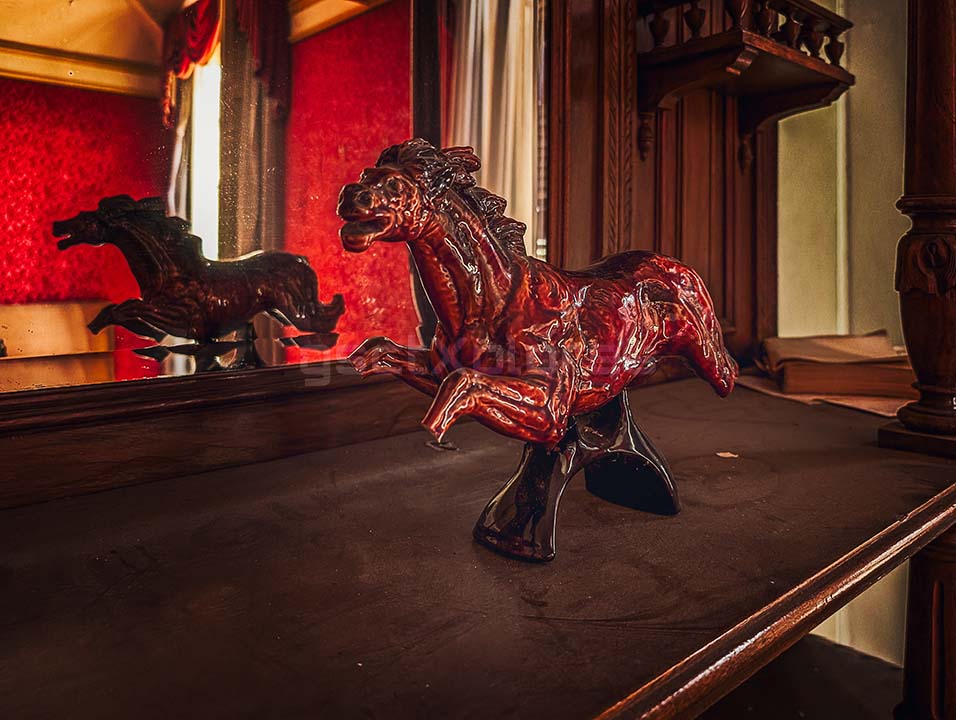
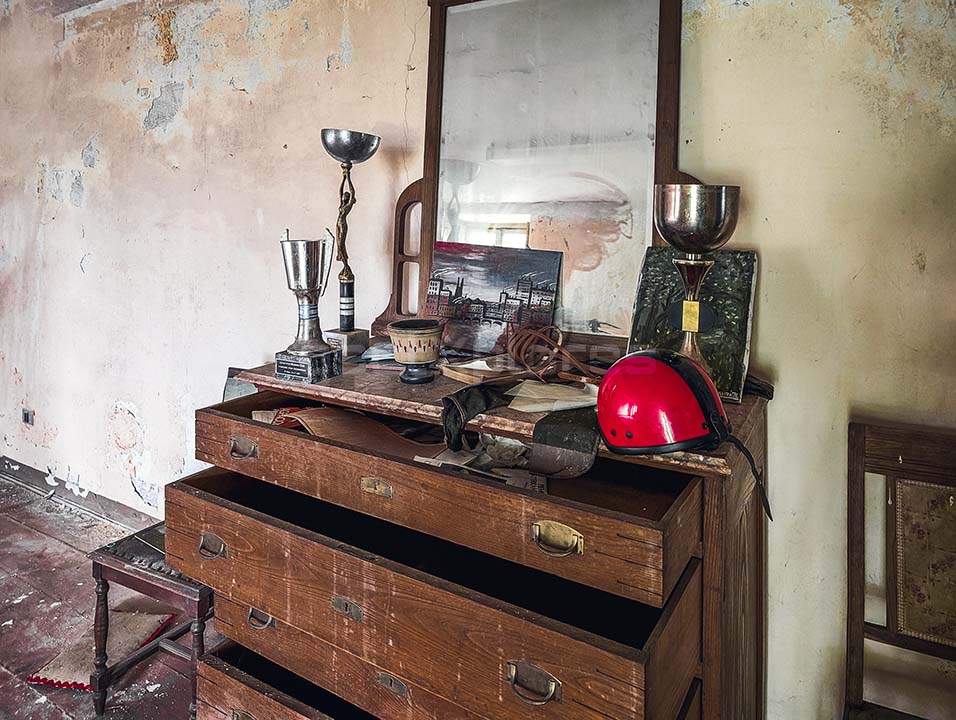

Later, the villa changed hands again, sold to Marquis Giovanni Medici del Vascello, a noble family from Cremona with a rich maritime heritage. The Medici family, who acquired noble titles in 1911, often spent time at the villa, then called “Villa Alessandra” during their ownership. In the 1930s, the villa was purchased by engineer Guido Fornaca, a family with ancient roots dating back to the 17th century, who was granted the title of Count after curing the king’s daughter. The Fornaca family used the villa for various purposes, including testing prototypes in its park, and after Guido’s death, it was inherited by his brother Luigi, a renowned doctor and benefactor. The property then passed to Luigi’s nephew, Enrico Lobetti Bodoni, whose family owned it until the 1960s, with some tragic personal stories along the way.

During World War II, the villa was requisitioned as a German military headquarters, a period vividly documented by a local priest’s diary. After the war, the villa’s estate was managed by caretakers and seasonal workers until it was sold in later years. A local who I interviewed stated that his mother worked at the estate, along with many other village residents. Notably, the villa’s grounds have seen many uses, including the establishment of the renowned Fornaca Clinic in Turin, founded in 1948 by Maria Fornaca in memory of her brother Luigi. The villa’s history reflects its importance as a noble residence, a strategic military site during wartime, and later a symbol of local social and medical history.
The villa is currently for sale, looking for a new owner. A cool €900000 will get you this still majestic building, full of history and splendor. It is such a shame that the villa’s current state is a far cry from the former glory shown on the estate agent’s web site; vandals and shady antique dealers ruined a truly grand residence.

If you made it to the end of this article, thank you! This was a long one! I would like to thank “Giornale La Voce” of which snippets of this article were adapted to recount the history of Villa Chandelier. I would also like to thank the random resident whose testimony and family history shared great depth into the villa and it’s former residents.
And now, please do enjoy the full album of photos.












 gsctXplores