Xploration date 01/05/2019
Discover the haunting history of a centuries-old hermitage in Piedmont, once a spiritual sanctuary, now a neglected relic with a mysterious future.
Nestled amidst the scenic landscapes of the Piedmont region, a historic hermitage has witnessed centuries of transformation and resilience. Its origins date back to 1661 when Italian Count Gaspare Graneri embarked on an ambitious project to construct one of four hermitages in the area. Covering an impressive 175 hectares, this tranquil sanctuary was later donated to the revered Order of Camaldolese Hermits, becoming a spiritual haven for monks and visitors alike.
Historical Significance and Architectural Features
This hermitage was so renowned that it was featured in the prestigious Theatrum Statuum Gabardine, a collection showcasing significant buildings and sites within the Savoy State during the 17th century. Its architecture is a testament to the religious and cultural values of the era.
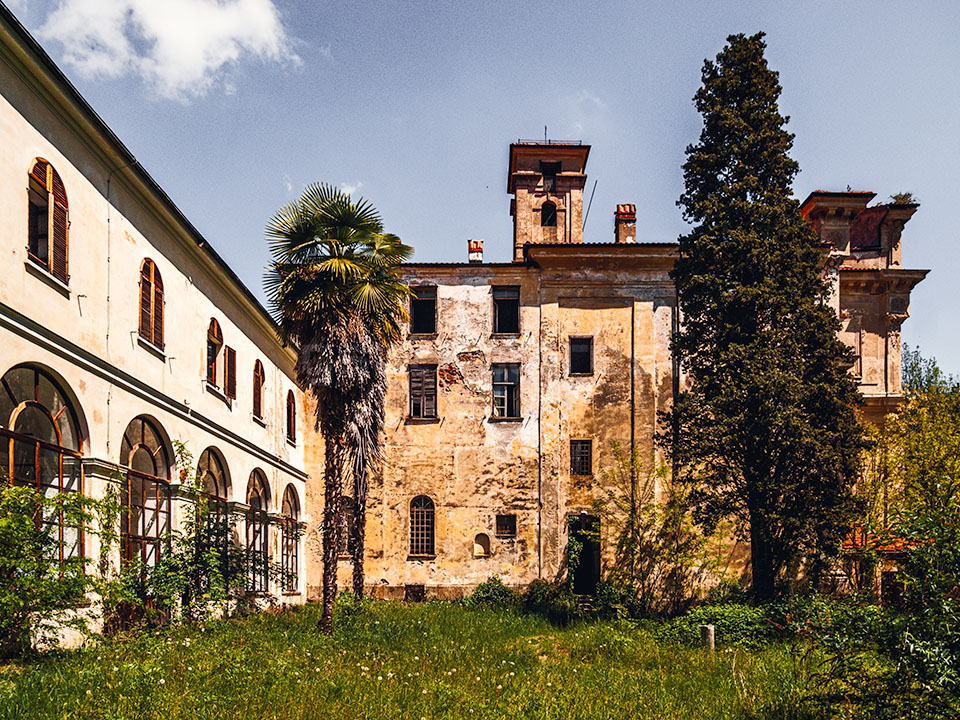
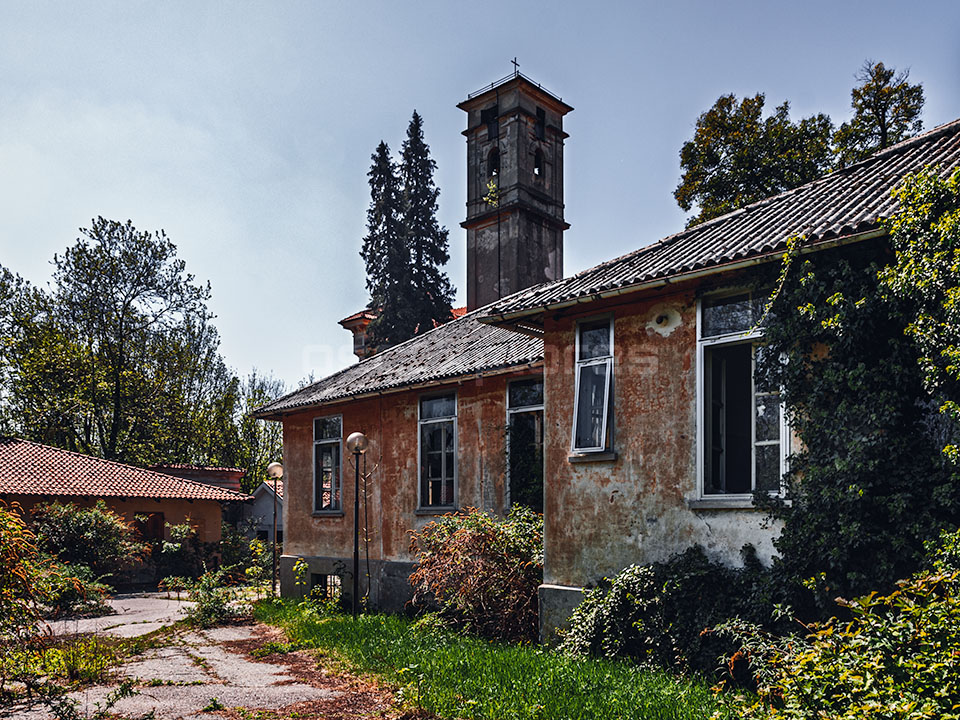
The main structure includes a majestic church facing the bustling city of Turin. Behind the church, a series of grand arches enclose various functional areas: prayer and speaking halls, a guesthouse, a cloister for meditation, an infirmary, and lush gardens. The monks of the Camaldolese order resided in small, garden-adorned “cells”, essentially tiny houses arranged in rows of four, providing a simple yet peaceful living environment dedicated to contemplation and prayer.

A Turbulent Past: From Religious Sanctuary to Modern Uses
The serenity of the hermitage was disrupted during the upheavals of the French Revolution. By the early 19th century, the site was shuttered, only to reopen in 1815 following the reestablishment of conservative authority after Napoleon’s fall. The Camaldolese monks maintained their presence until 1836 when the property was transferred to the “Order of the Discalced Brothers”.
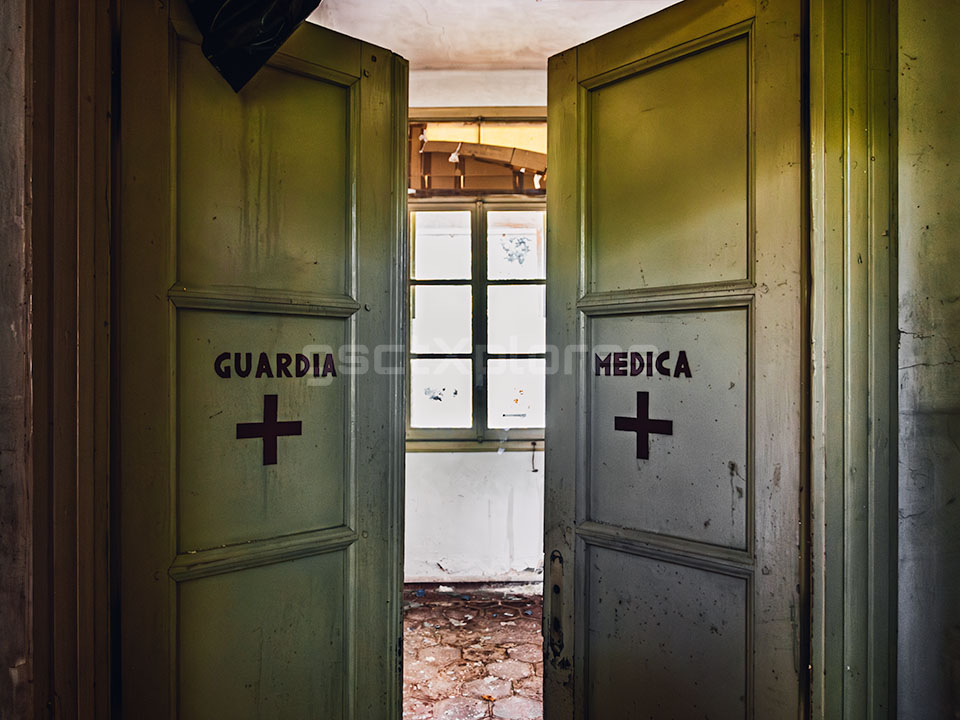
However, political and religious suppression in the subsequent years meant yet another change of ownership. In 1918, the Italian Red Cross took over the site and repurposed it into a sanatorium. During World War I, it served as a vital medical facility caring for injured soldiers and women suffering from tuberculosis.
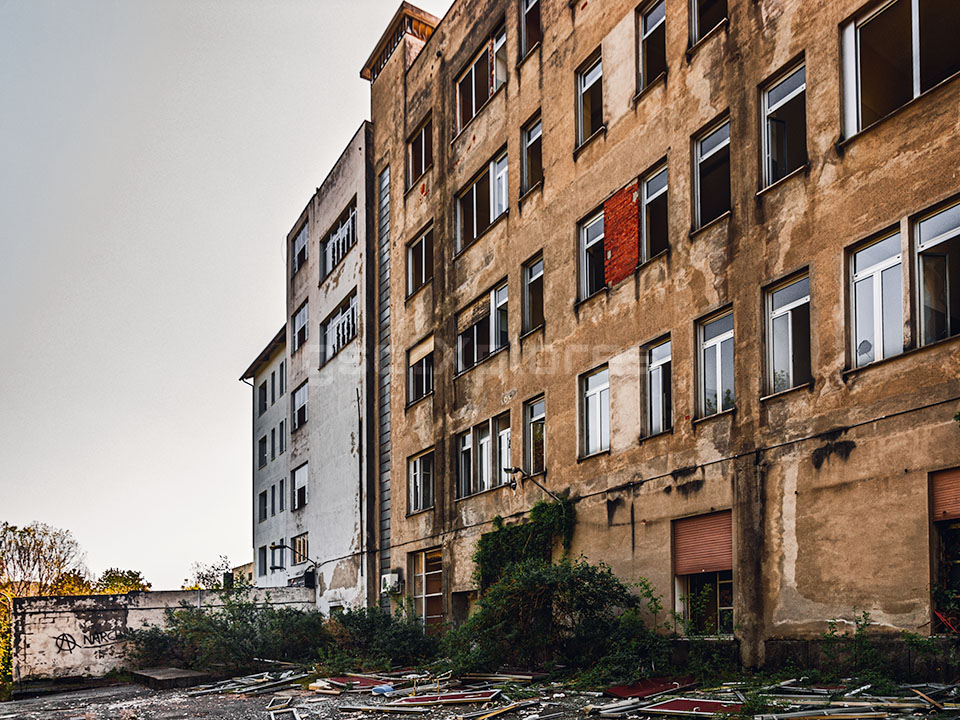
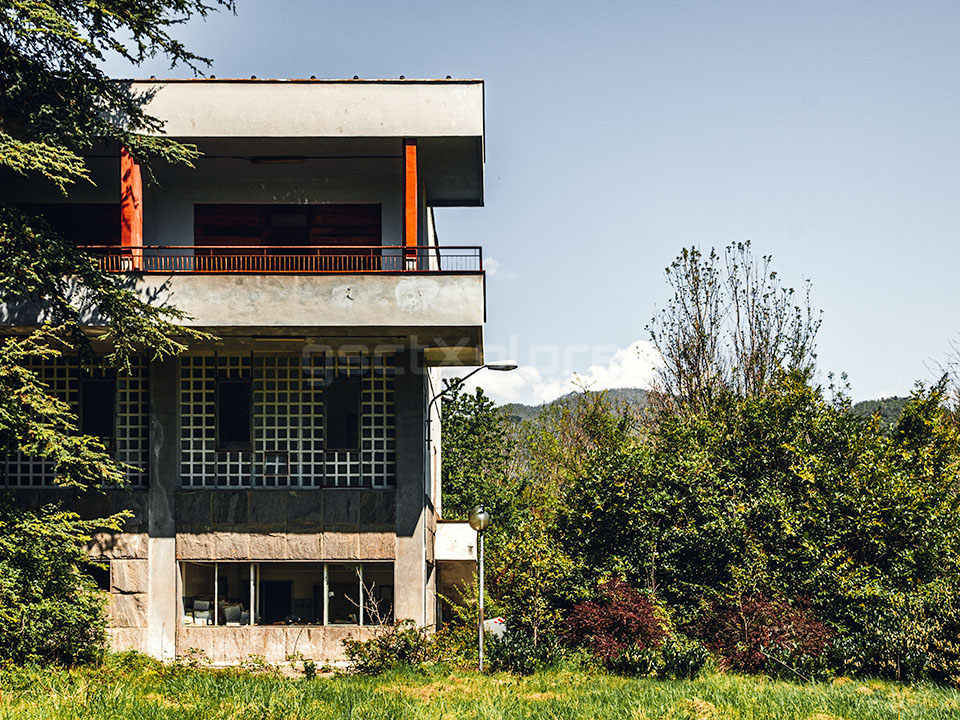
In the 1960s, the site was transformed once more into a hospital, with new buildings added to accommodate the growing needs. By 1995, it became a retirement home, but this chapter was short-lived. The facility closed its doors in 2013, and in recent years, it briefly operated as a veterinary clinic, only to shut down due to its inaccessible location and the challenges of maintaining the site.
Current State: A Shadow of Its Former Glory
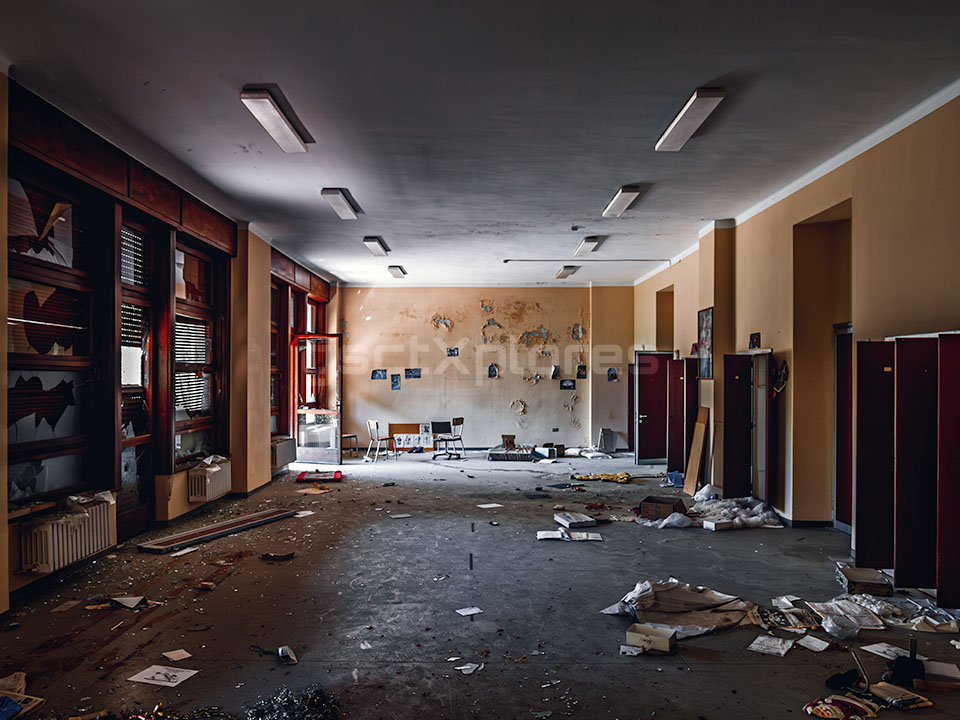
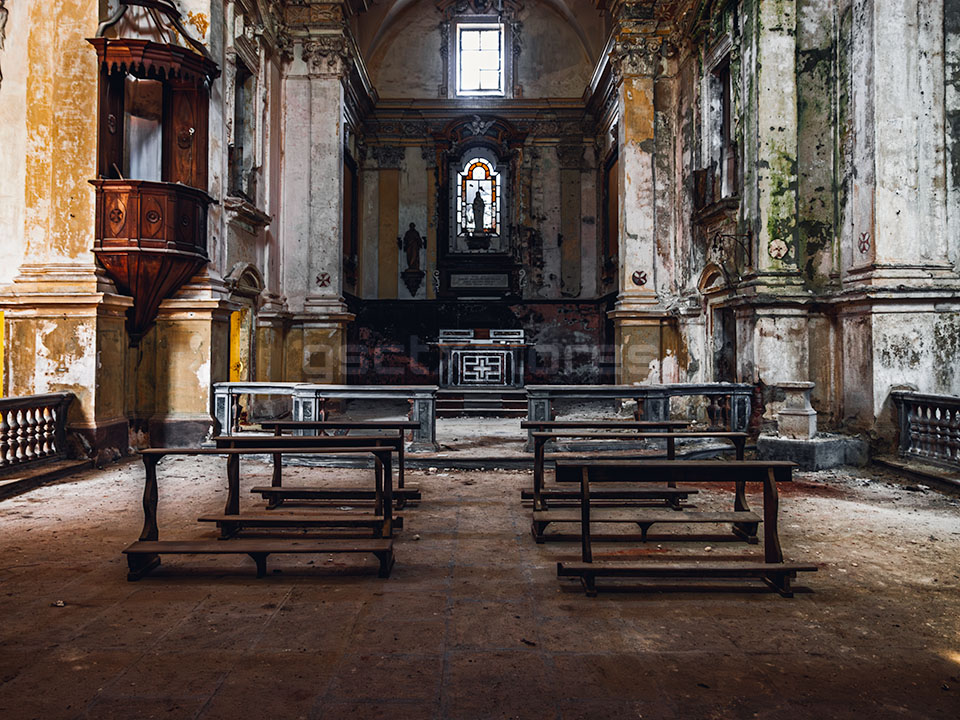
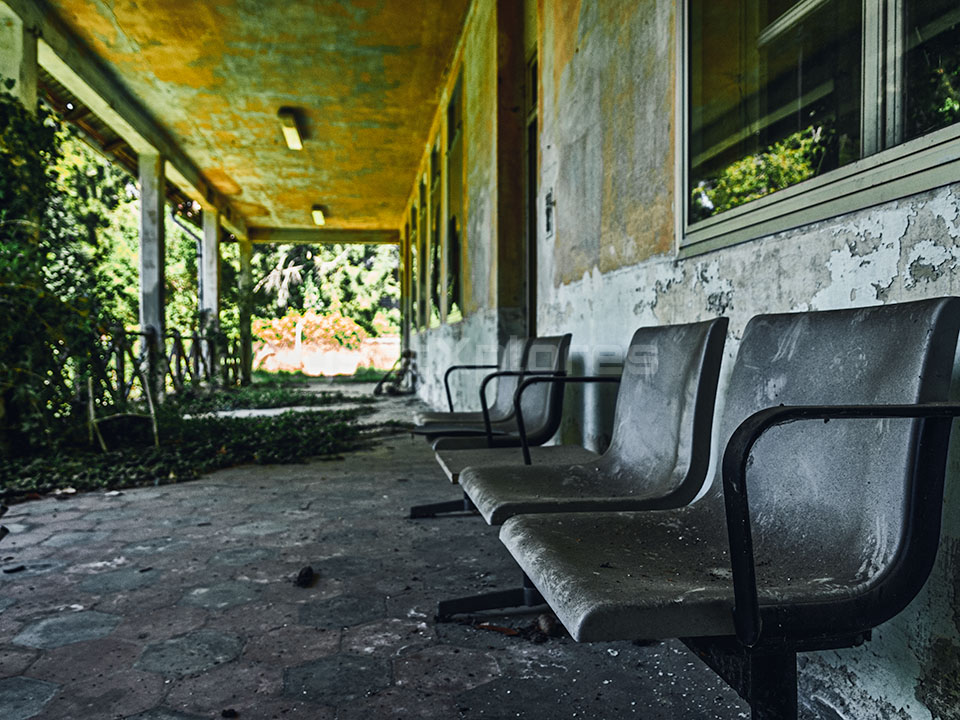
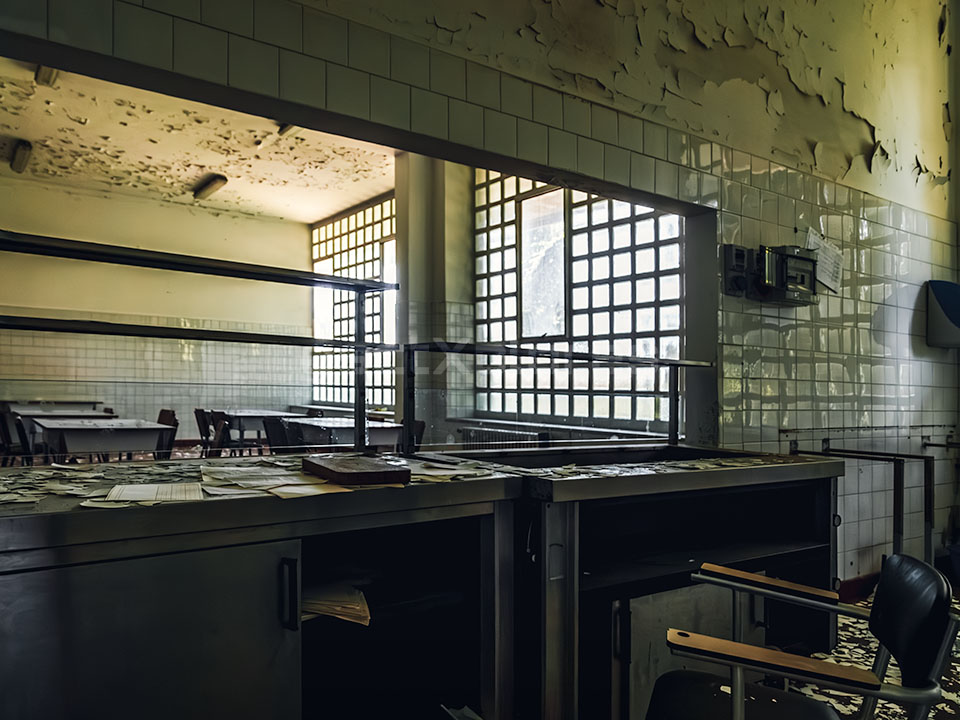
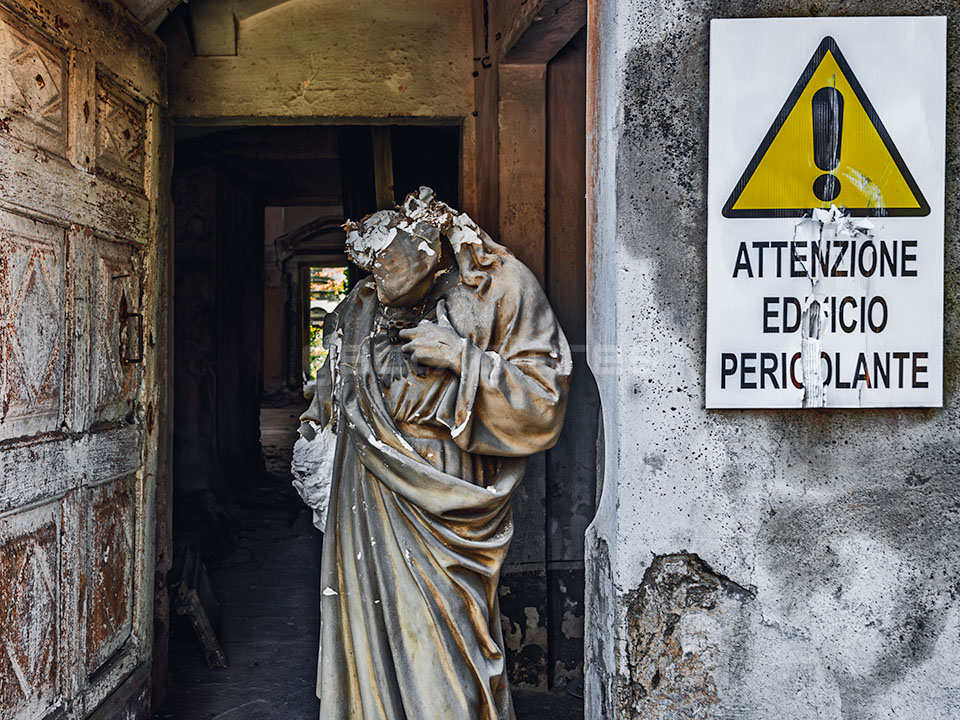
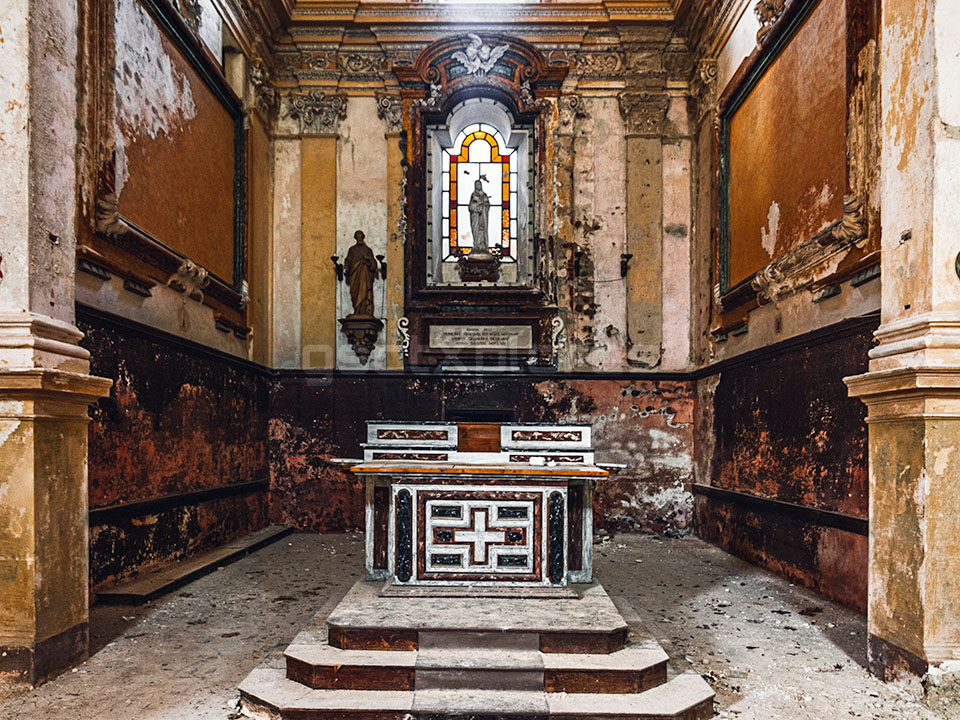
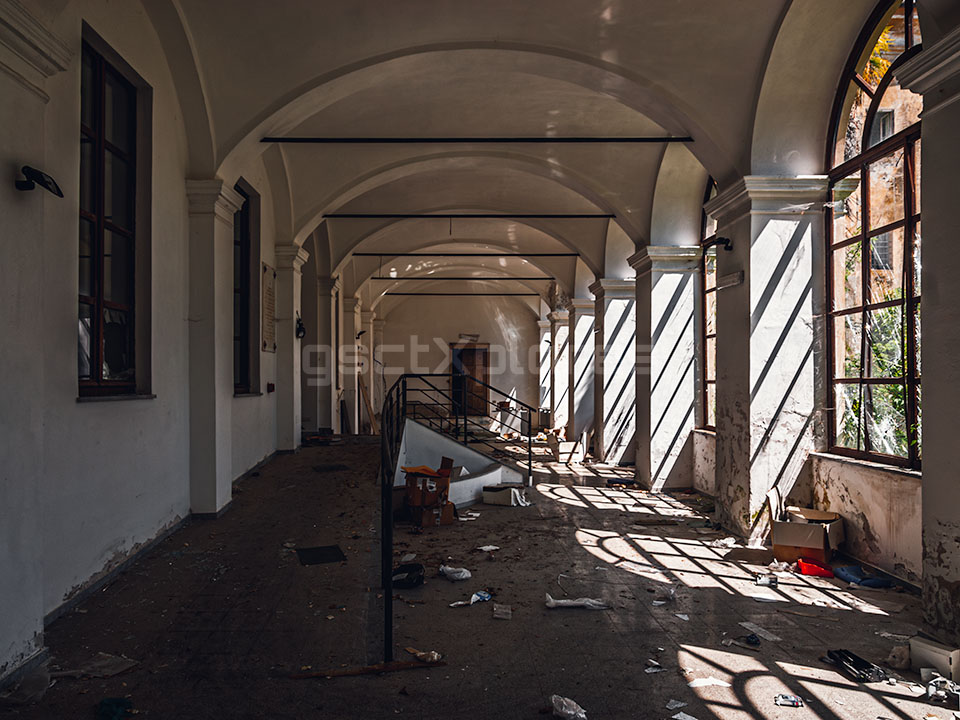
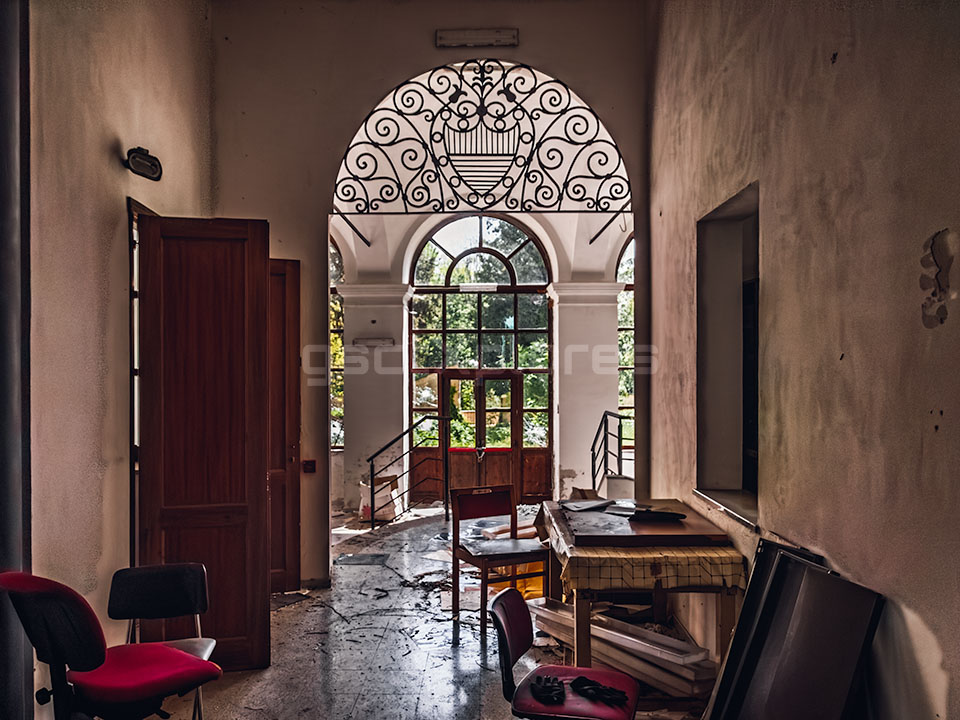
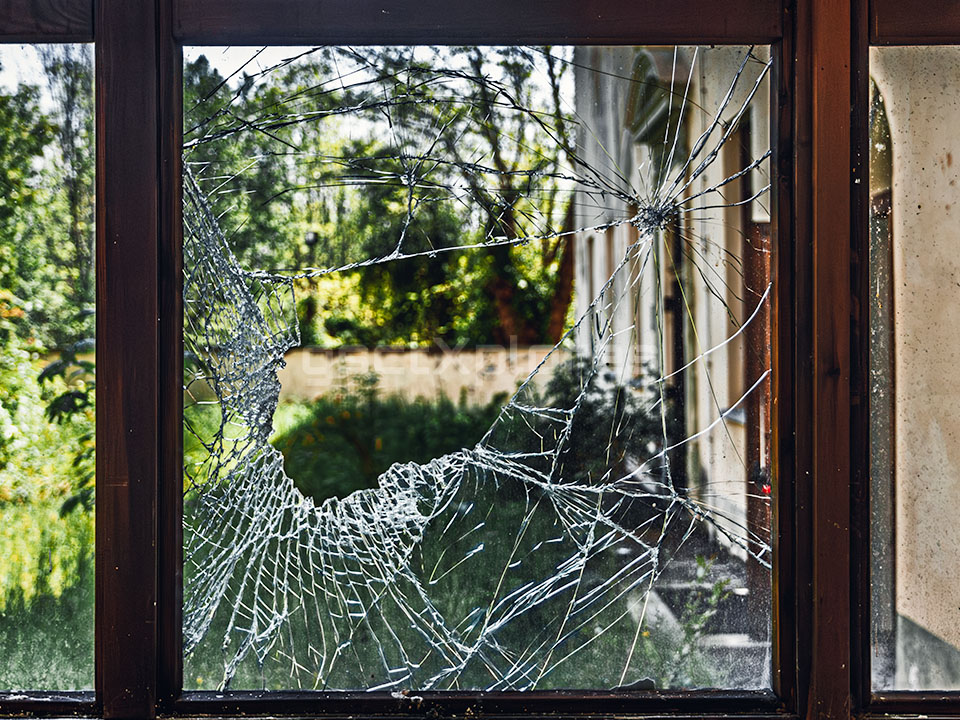
Today, the hermitage stands in a state of neglect. The original “cells” where monks once lived have either been incorporated into newer hospital structures or demolished entirely, only one remains, now in ruins. The majestic church still stands, its interior faintly revealing remnants of beautiful frescoes, despite widespread vandalism and theft,stolen artifacts and missing stairs tell a story of neglect.
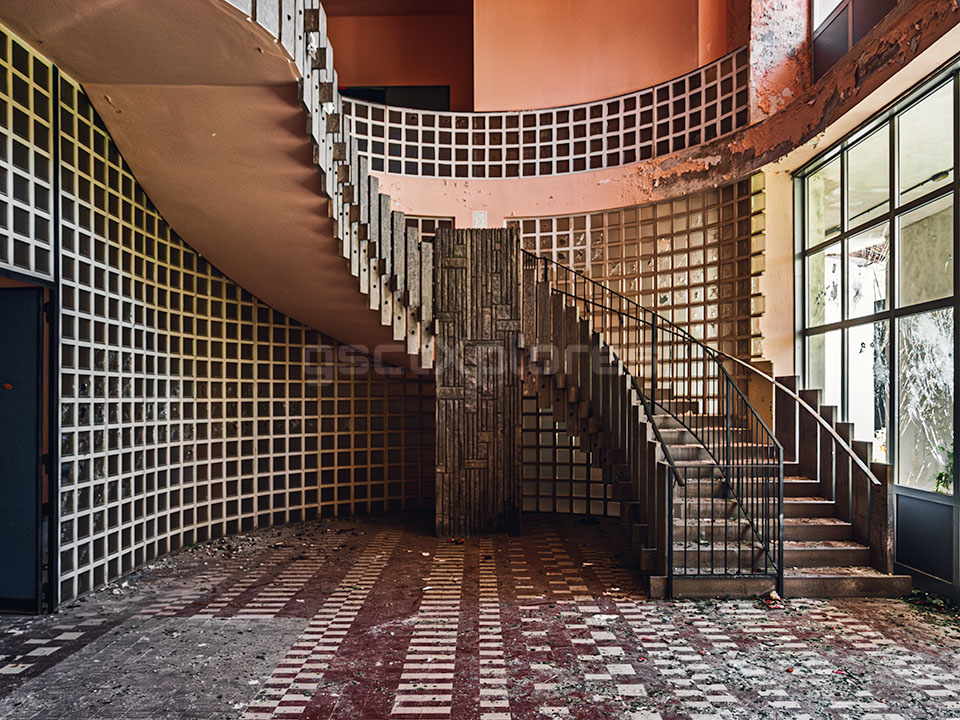
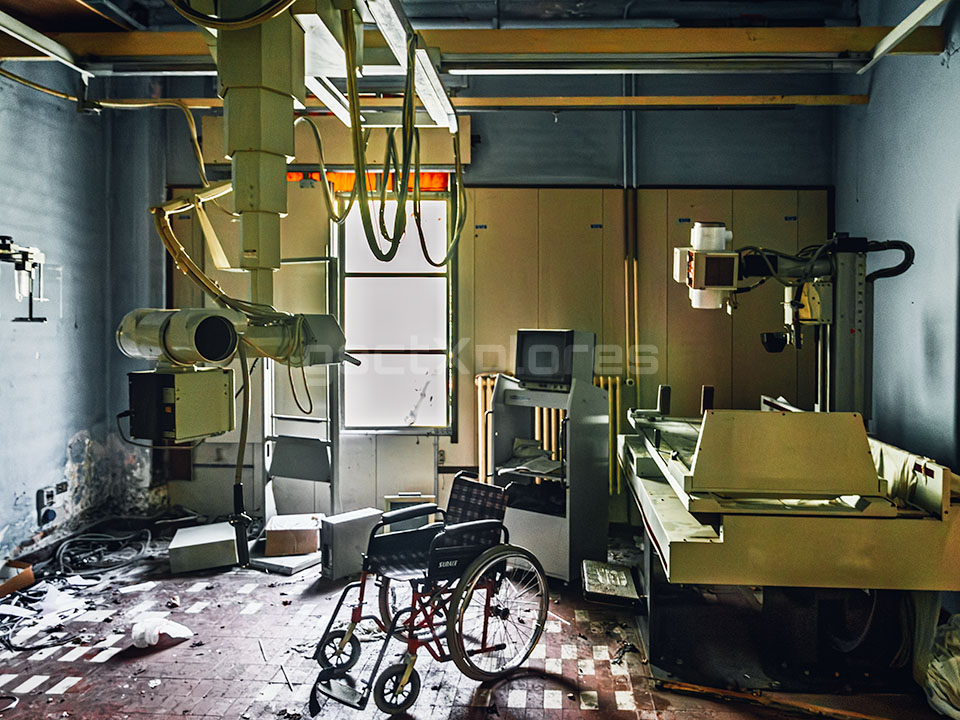
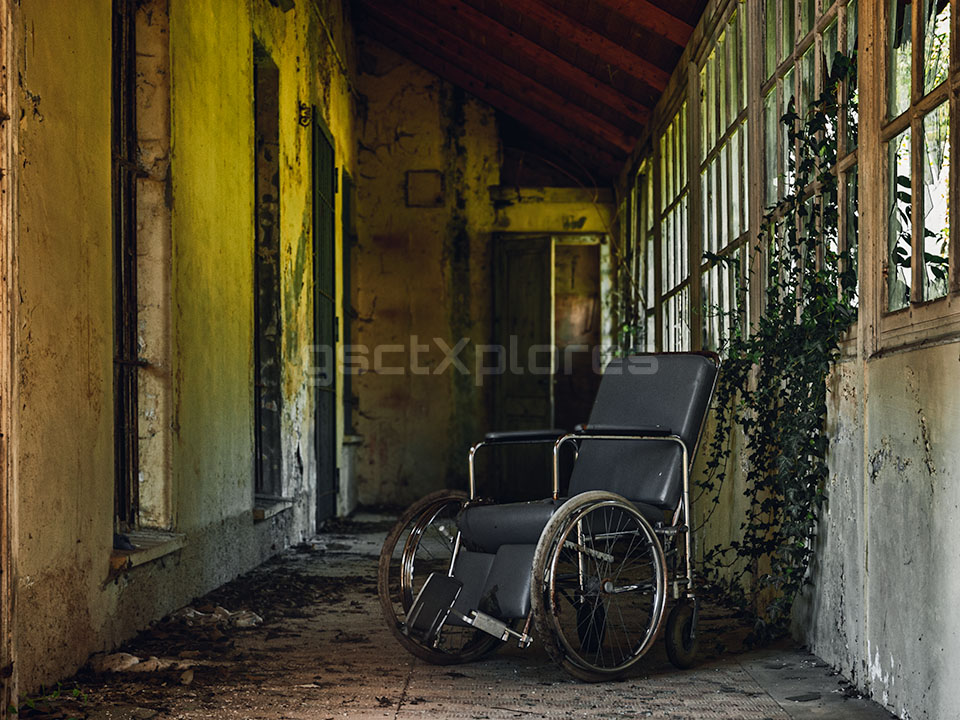
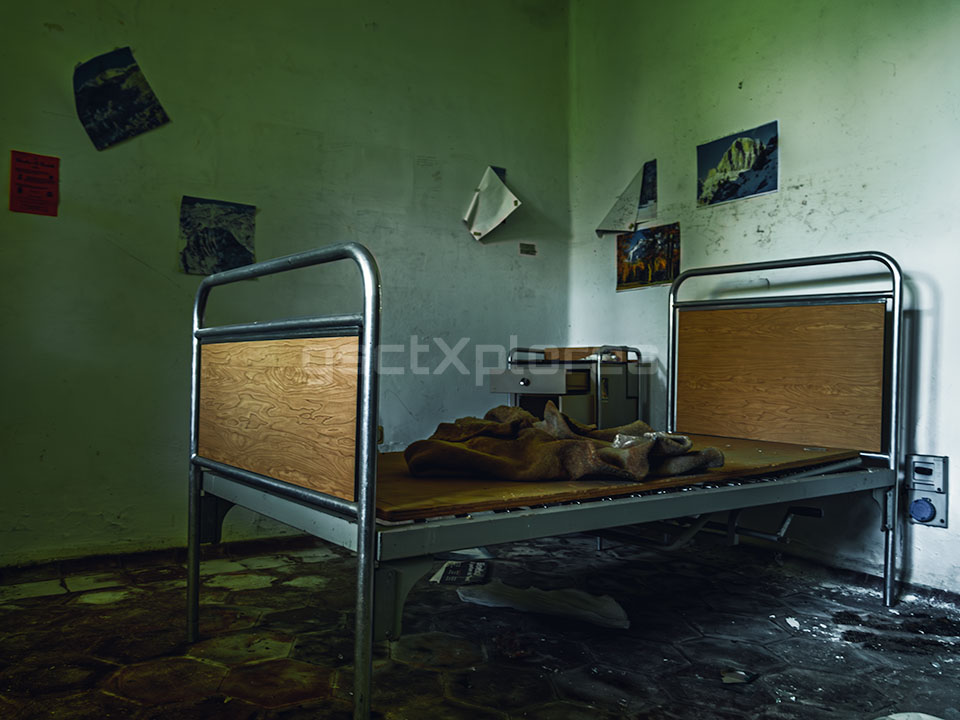
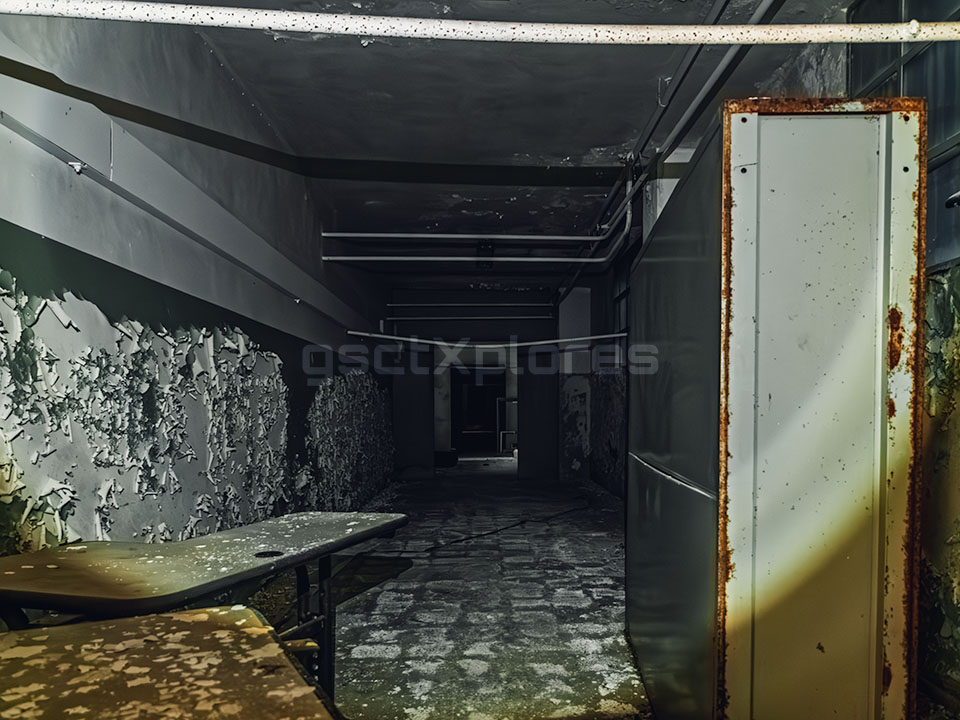
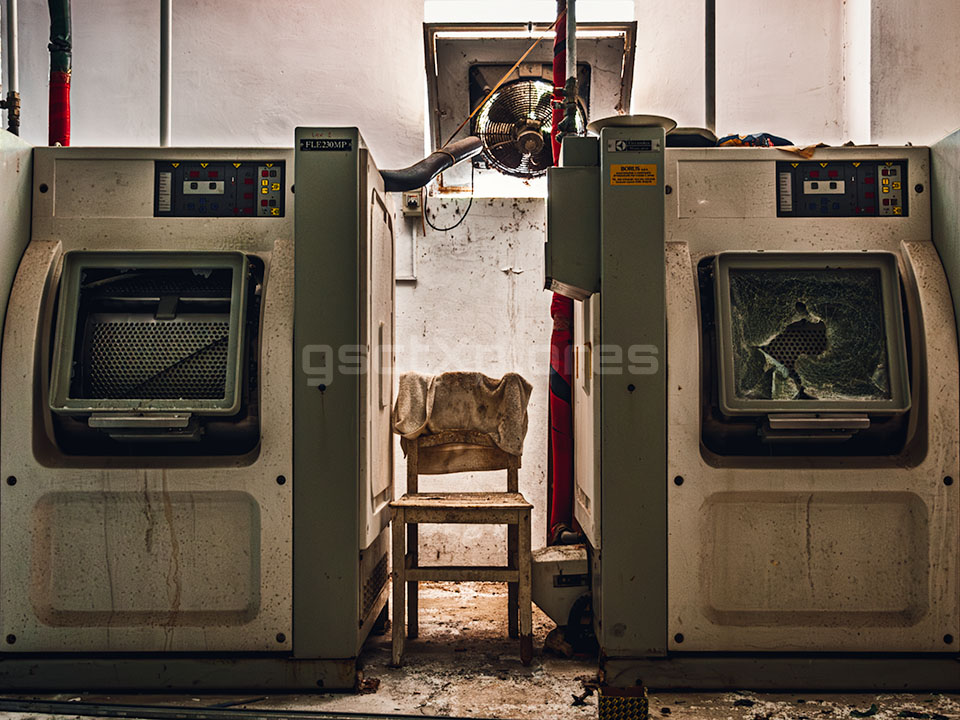
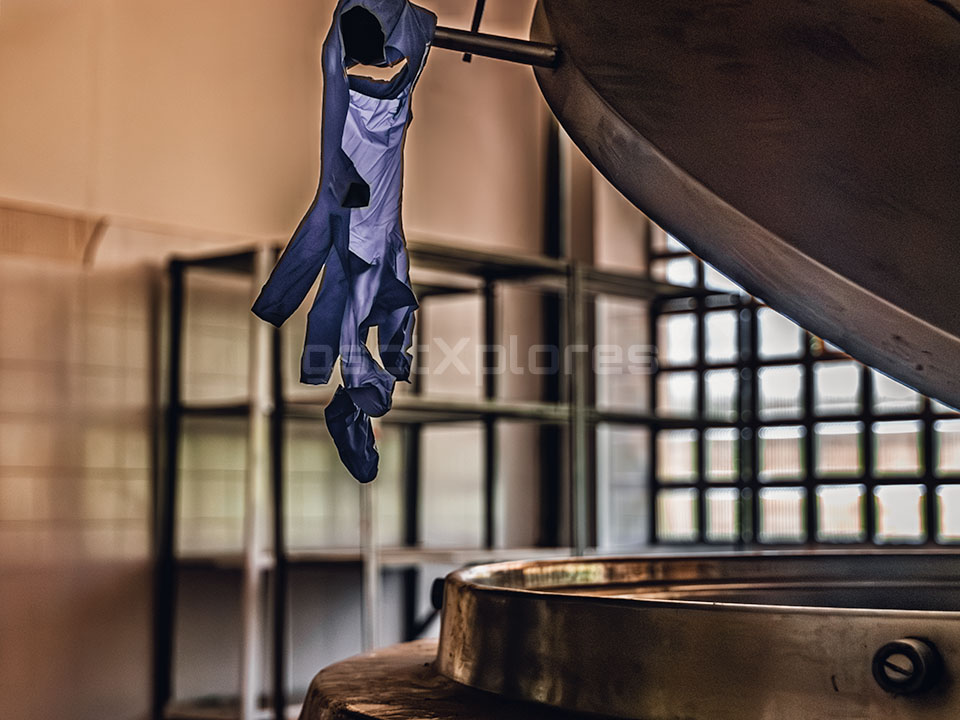
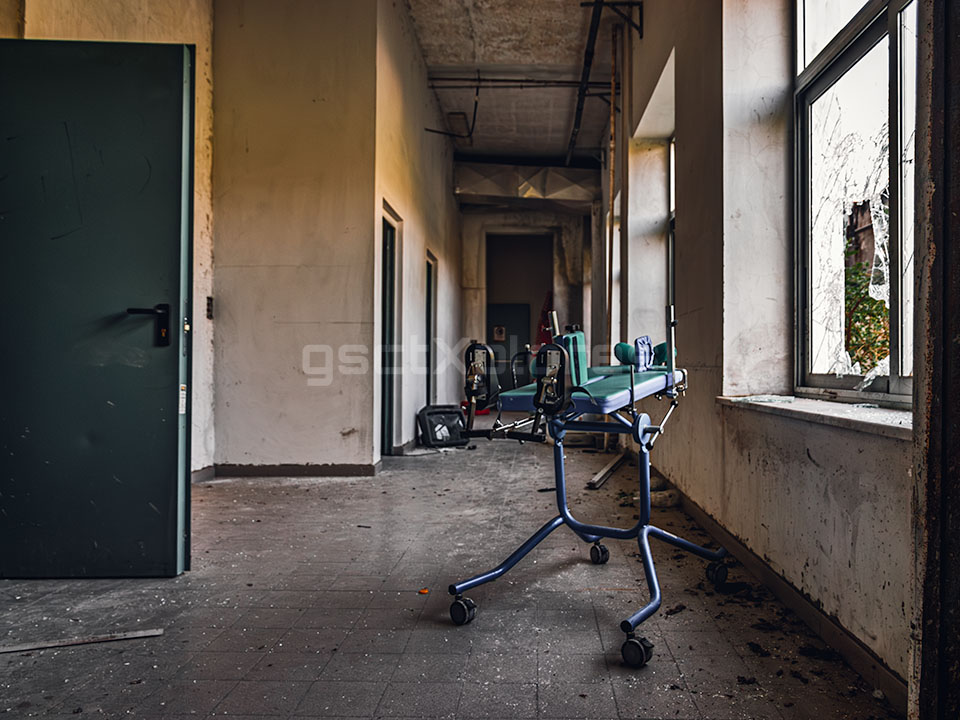
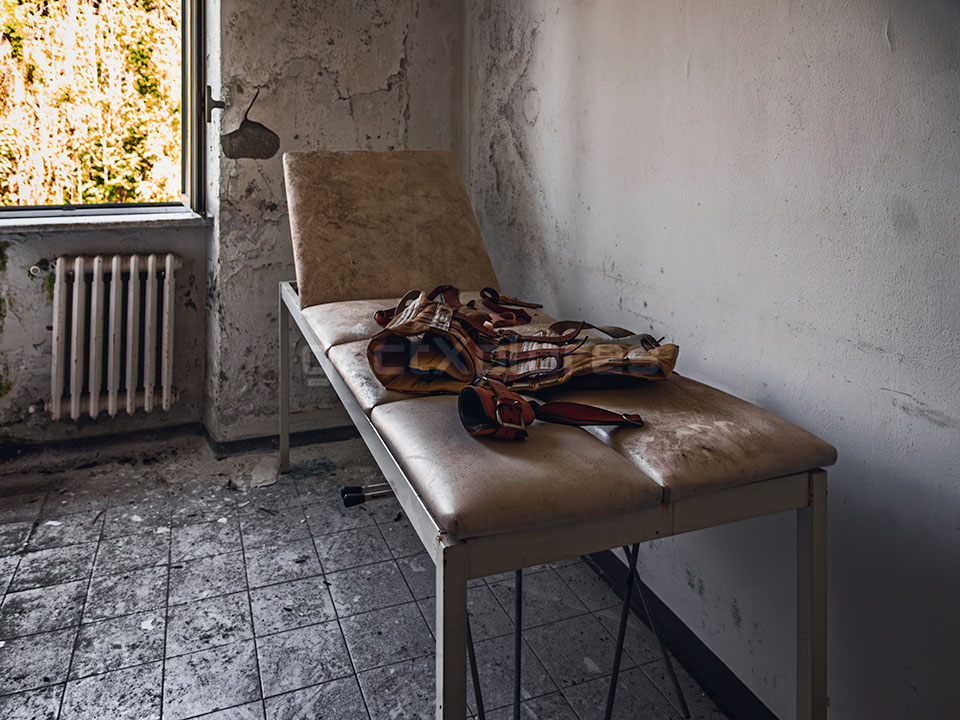
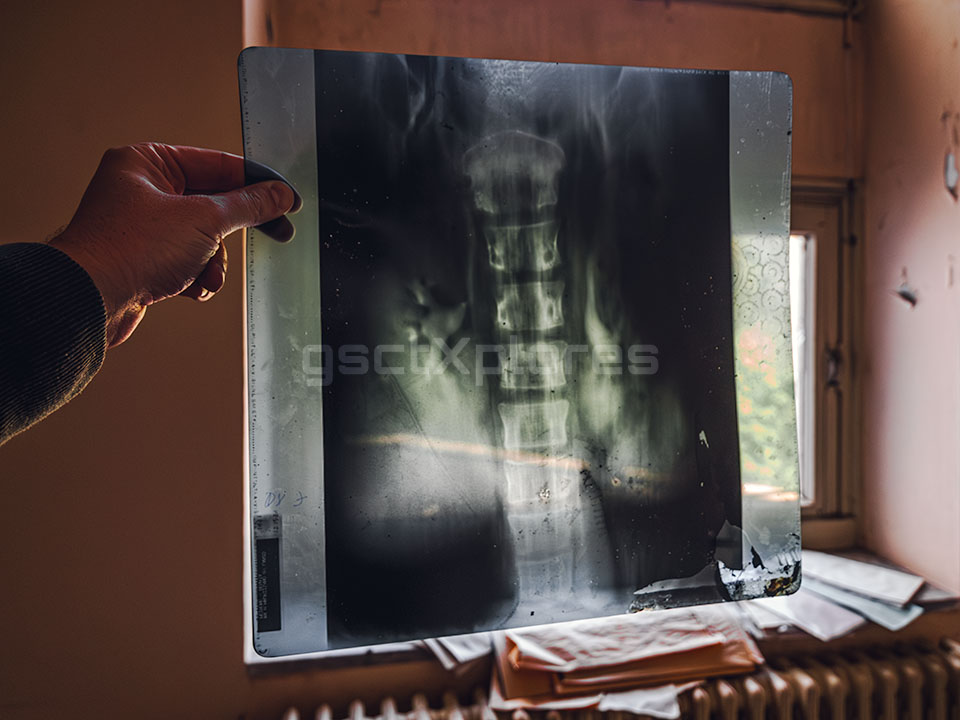
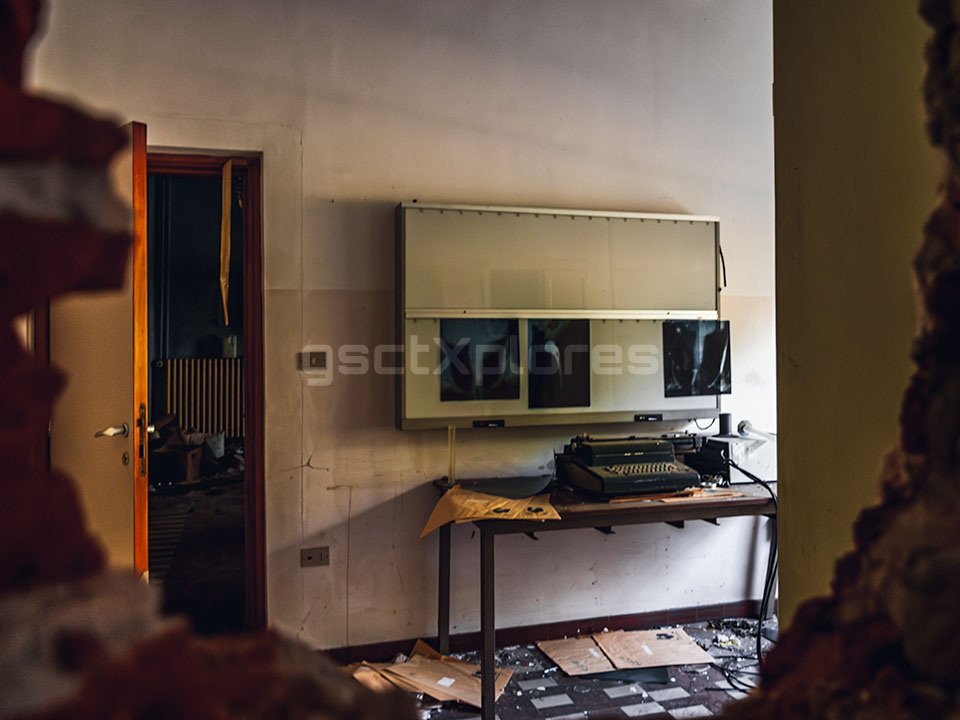
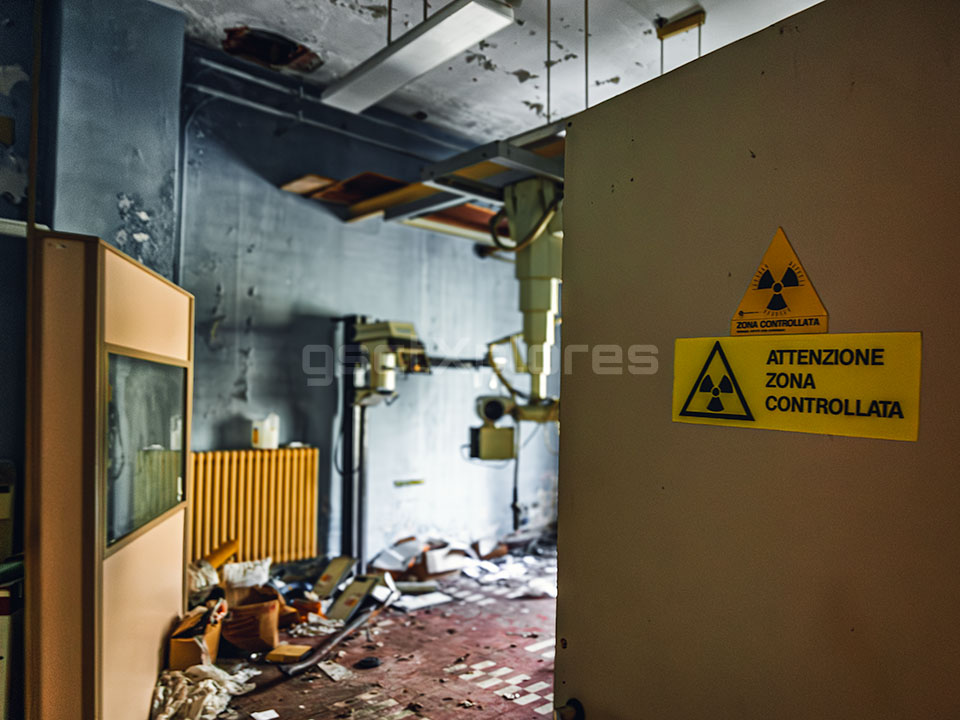
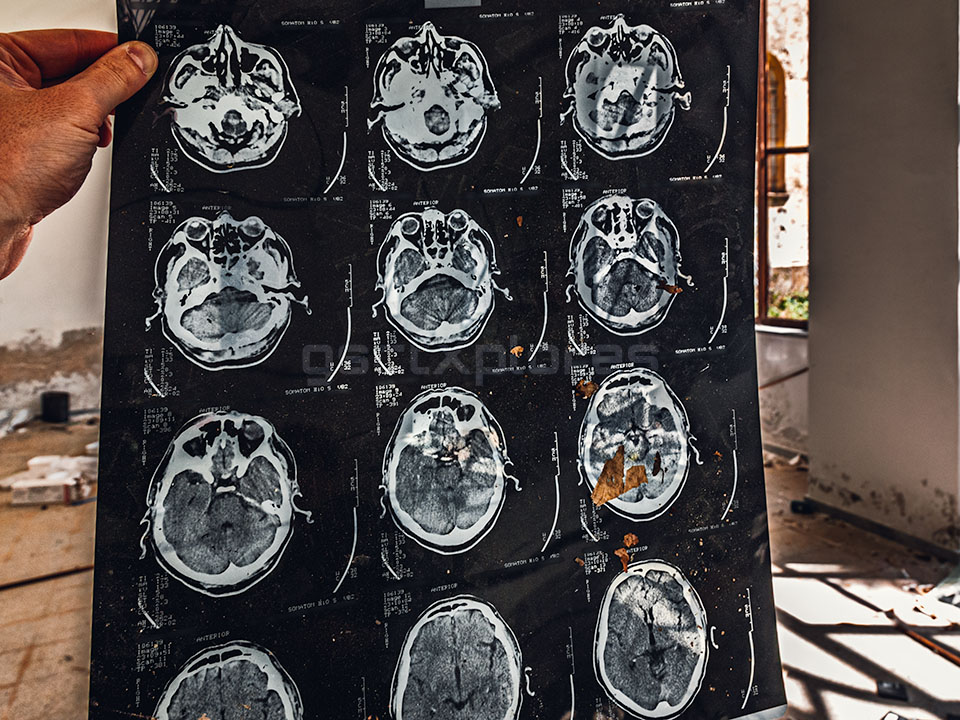
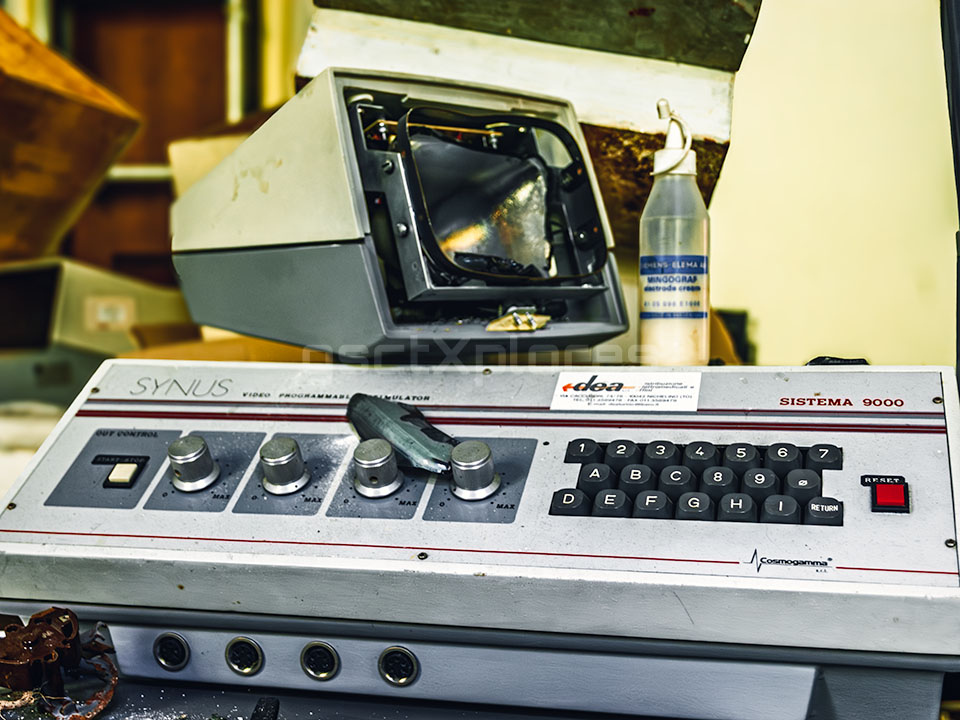
Inside, the remnants of its medical past remain scattered throughout the corridors: wheelchairs, gurneys, and medical instruments lay abandoned, offering a haunting glimpse into its former role as a healthcare facility. The x-ray room still contains two machines and the lead glass shield used to protect doctors during examinations. An adjacent building features an oval spiral staircase leading to former training rooms for nurses.

What Lies Ahead?
The future of this historic site remains uncertain. The town’s mayor is actively seeking a private buyer to restore and preserve the hermitage. However, the enormous costs associated with renovation, cleanup, and managing sensitive medical records pose significant challenges. Will this place be reborn as a cultural or spiritual center, a hotel, or perhaps a private residence? Only time will tell.
Despite its current derelict state, the hermitage’s enduring architecture and layered history continue to captivate those who visit. It stands as a silent testament to centuries of faith, upheaval, and resilience, waiting patiently for a new chapter to begin.
Please enjoy all the below photos related to this article.






 gsctXplores