Xploration date 20/11/2016
This quaint hamlet, with remnants of a 13th-century castle and a small church, is steeped in history and haunted by legends, including tragic love stories and ghostly apparitions that outnumber its living inhabitants.
This small rural district, nestled in the fertile countryside between two Piedmontese towns, stretches along both sides of a road that runs straight through vast rice fields. As you drive along the country roads, this hamlet emerges in the distance as a reddish “cluster” that stands out against the green of the rice paddies. At the entrance to the district, two distinct groups of buildings come into view.
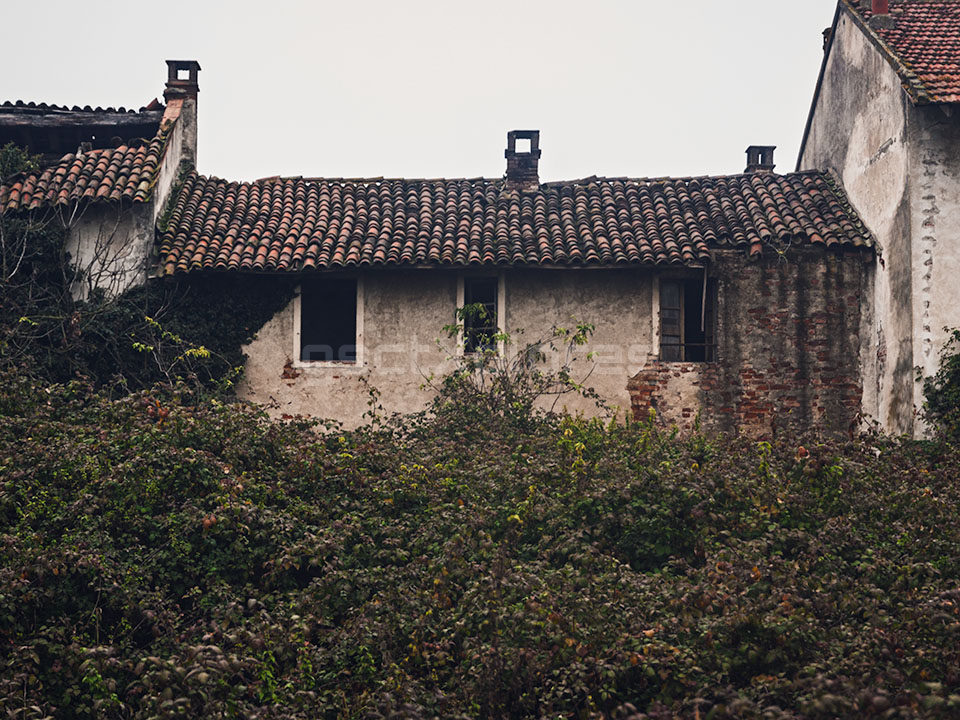
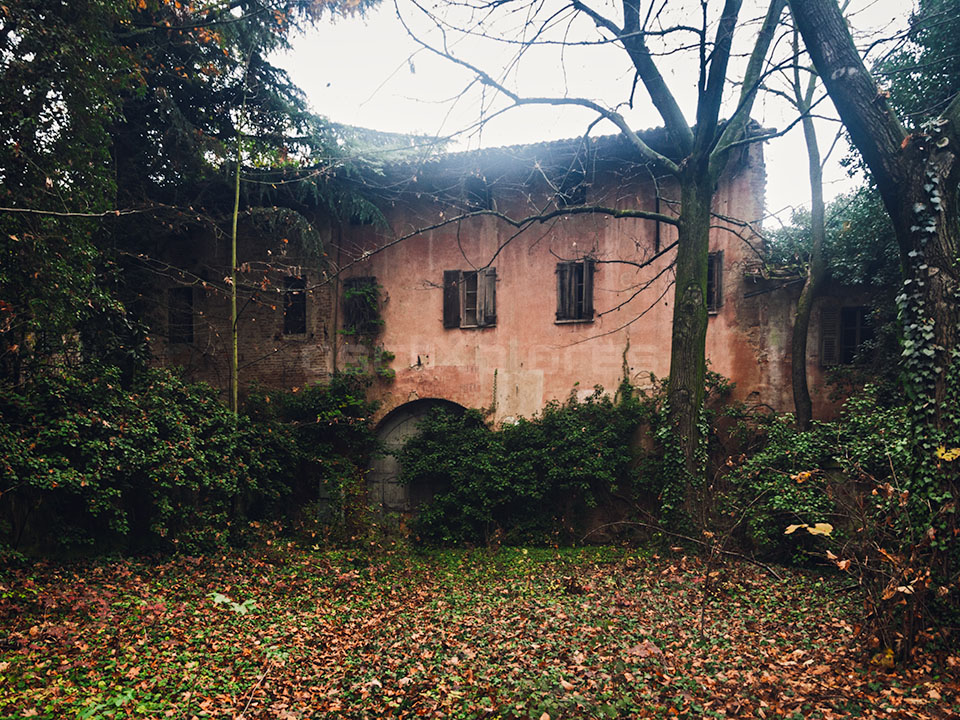
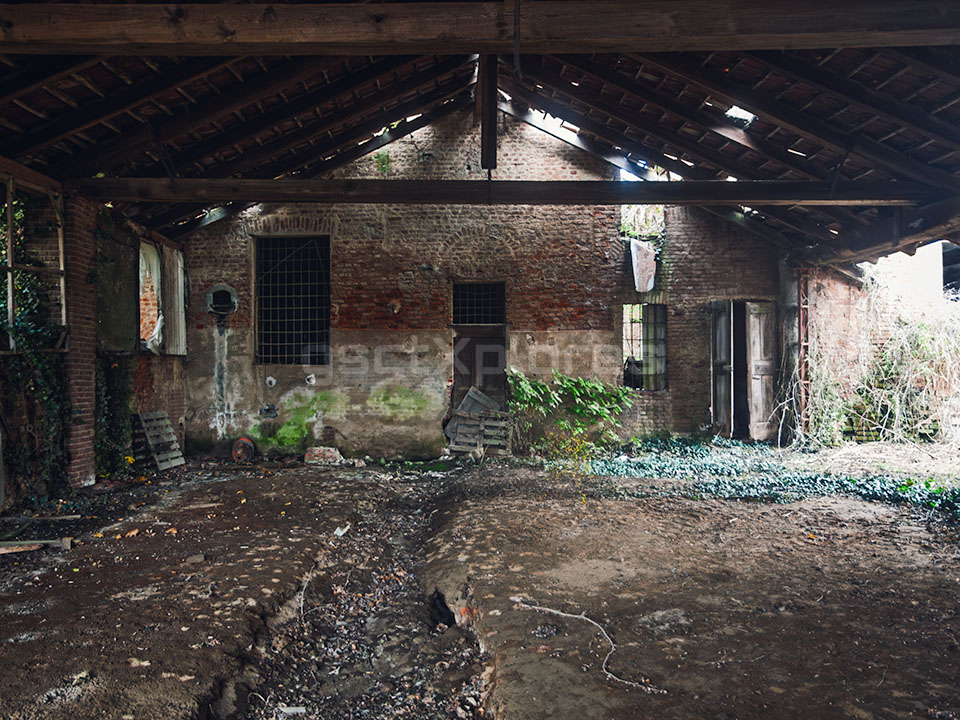
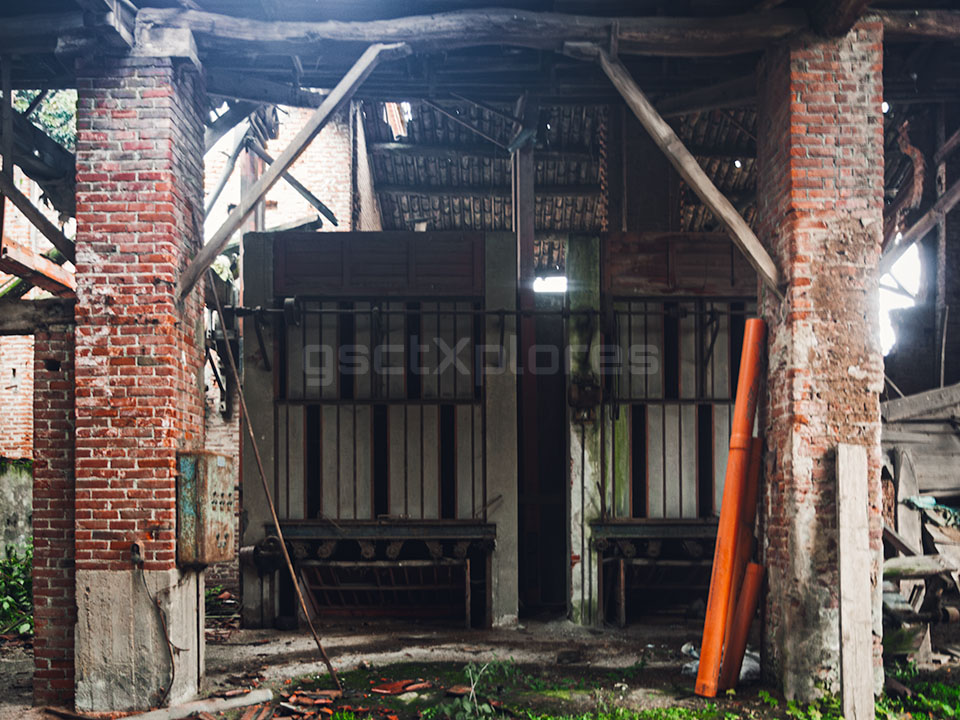
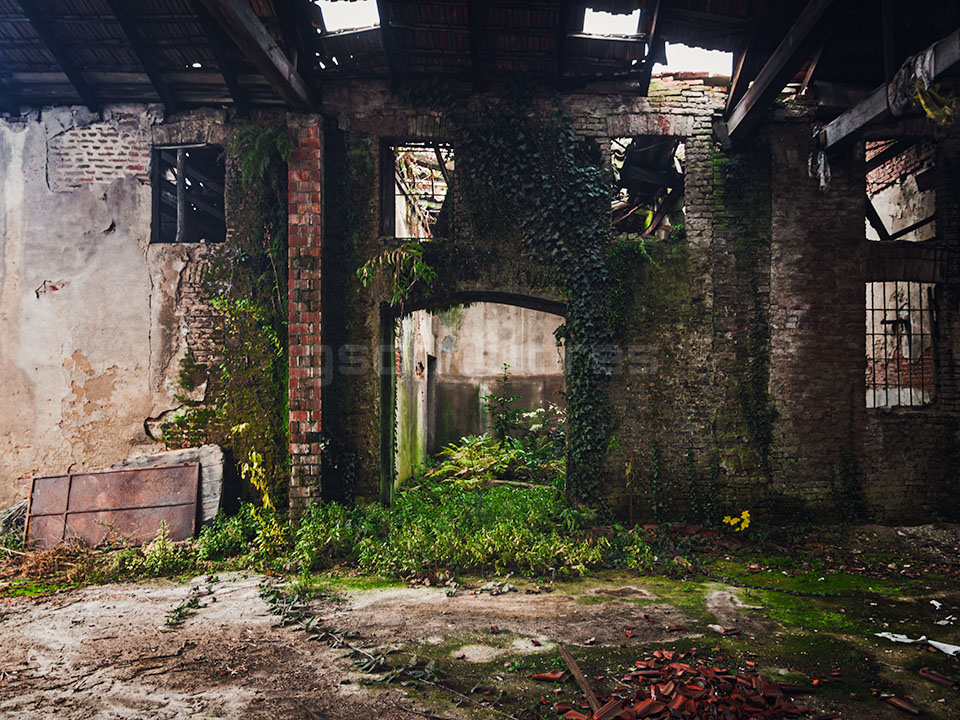
On the right, there is a long brick building, while directly across on the left lies a functioning farm, shielded from view by a tall gate and a fence that almost touches the base of a section of a 13th-century castle, of which only a few traces remain, as it is all private property and inaccessible to the public. The road then gently curves, and shortly after, still on the right, secured behind a fence that prevents entry, stands a small church dedicated to Saint Bartholomew, accompanied by a quaint little cemetery. This modest place of worship almost seems out of place with its beautiful architecture compared to the surroundings.
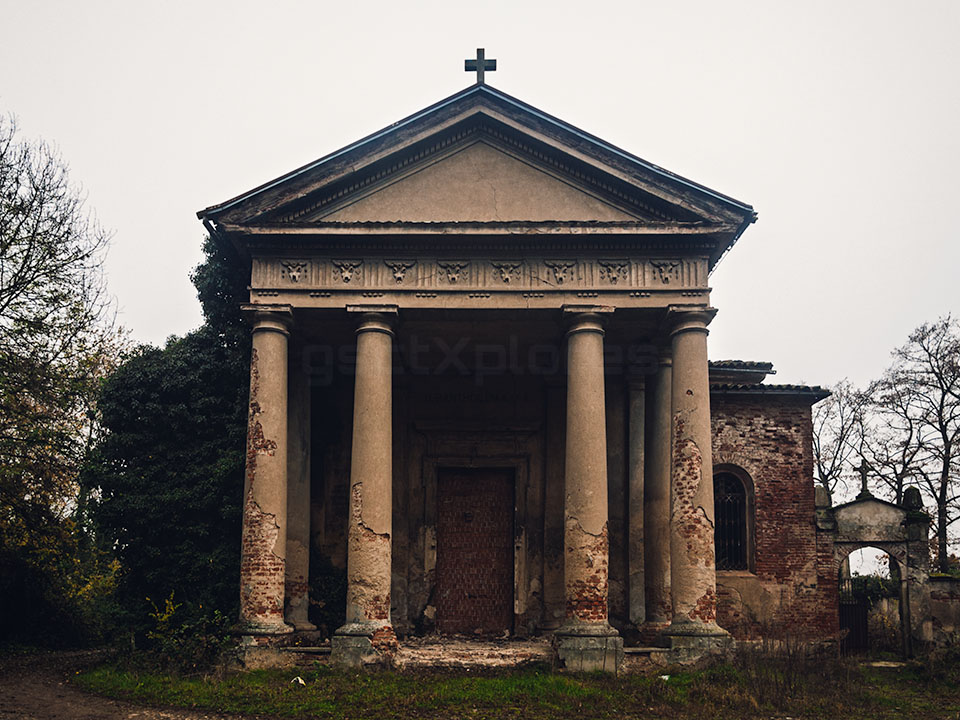


The hamlet doesn’t offer much to see; or rather, there isn’t “much left to see” since the church’s entrance has been bricked up and the entire property fenced off due to vandalism, destruction, and perhaps some unwanted rituals. However, this small place is not entirely abandoned: “Once there were four families here, now it’s just us,” says Raffaella O. “My paternal grandparents arrived here in 1943 from another town and settled in the building at the entrance to the district, on the right, owned by the Marchesa Pallavicini, and they started the farm. I was born in there; later, for school, we moved to a bigger town, but every year from May to October, until the rice harvest, I stayed here. My childhood here was a dream.”
While there may not be much to see in in this hamlet, there are certainly stories and legends that weave the fabric of its history. The local Mayor of a nearby town shares a few of them: one involves the tower of the castle, where it is said that the favorite horse of the Marchesa Pallavicini was locked away. It had fallen ill, and she lacked the courage to put it down, so she had it confined in the tower with plenty of food and water, hoping it would die once the supplies ran out. There is also a curse said to hang over the Pallavicini family, predicting that their lineage would eventually die out.
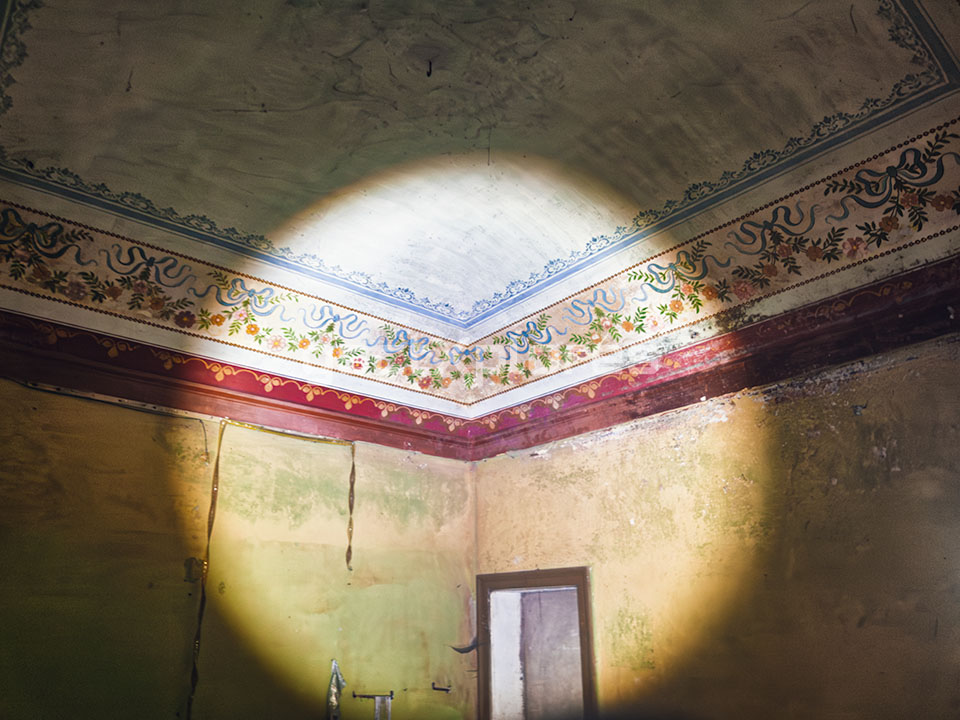
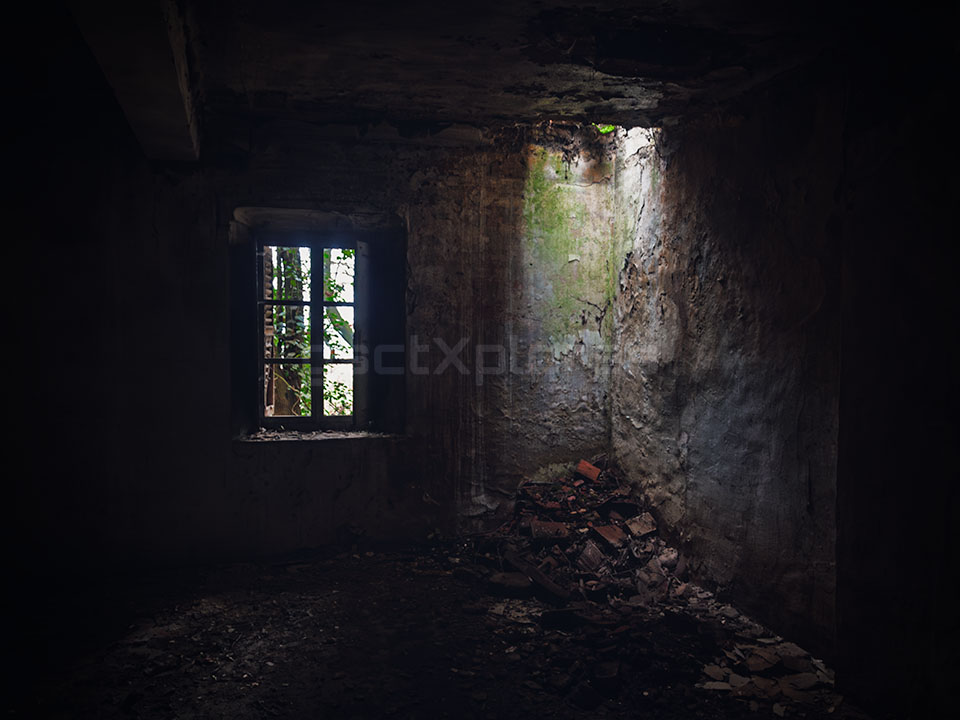
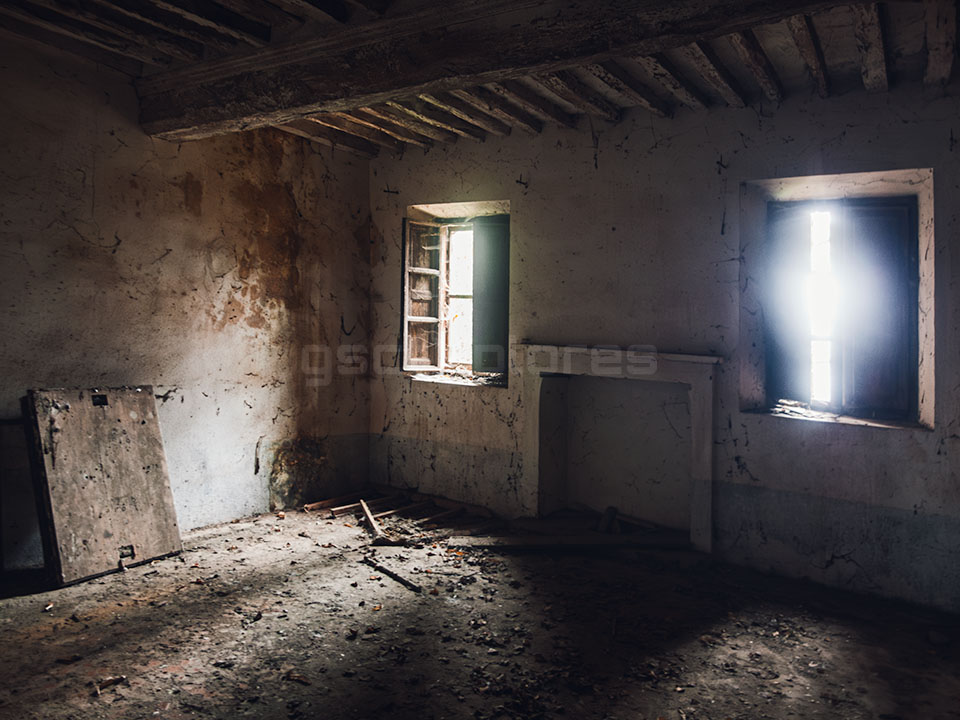
Another intriguing legend is that of the Tempietto, resembling a Romeo and Juliet story set in the local countryside. “There was a girl, the daughter of affluent parents living in the hamlet, who fell in love with a horseman from a neighbouring town. Naturally, her family opposed the relationship, viewing him as unworthy. So, the two hid in a nearby grove and took their own lives. In the exact spot where they sealed their love in death, the girl’s family erected that Tempietto as a lasting memorial to their tragedy.” Finally, there are the ghosts in, which, according to various accounts, seem to outnumber the living. One is that of a little girl who fell ill and died after a visit with her parents to the Tempietto; her ghost is said to appear at night on the village road. There are also stories of three children who died—one, according to legend, impaled on a gate, and the other two under equally tragic and mysterious circumstances (dating back to the late 1800s), leaving footprints in the snow near the church of San Bartolomeo. And then, there’s the apparition of an indistinct figure, possibly a woman, enveloped in a beam of light, who is said to appear during winter in the fields near the Tempietto: a fleeting sighting, lasting just a few moments, almost hovering above the ground before quickly vanishing.
Thanks to its stories, mysteries, and legends, this small farming hamlet is regarded as one of the many “mysterious” places in the surrounding region.



 gsctXplores