Xploration date 12/04/2023
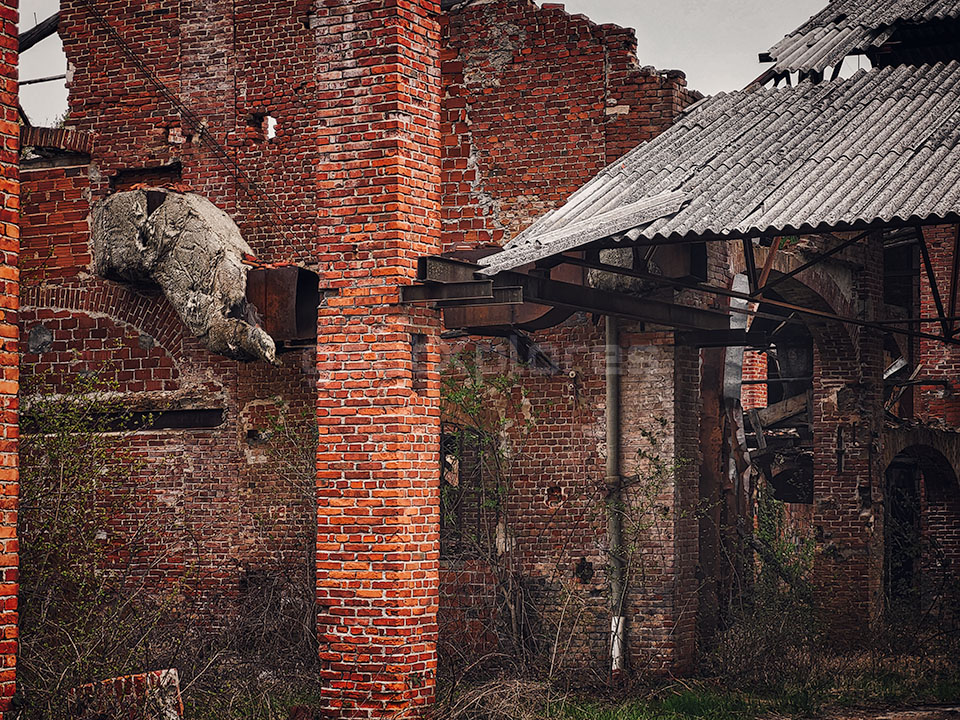
Nestled in a quaint Italian town are the remnants of an old brick furnace, a once-thriving industrial hub now reduced to crumbling walls and whispers of history.
Founded by Giuseppe Antonio Giordano before 1880, the furnace was further developed by his son, Giovanni Battista. By 1910, it employed thirty skilled workers dedicated to producing high-quality bricks, celebrated throughout the province for their superior raw materials and the craftsmanship of local artisans. The furnace operated until 1936, when it was closed by the Giordano family heirs.
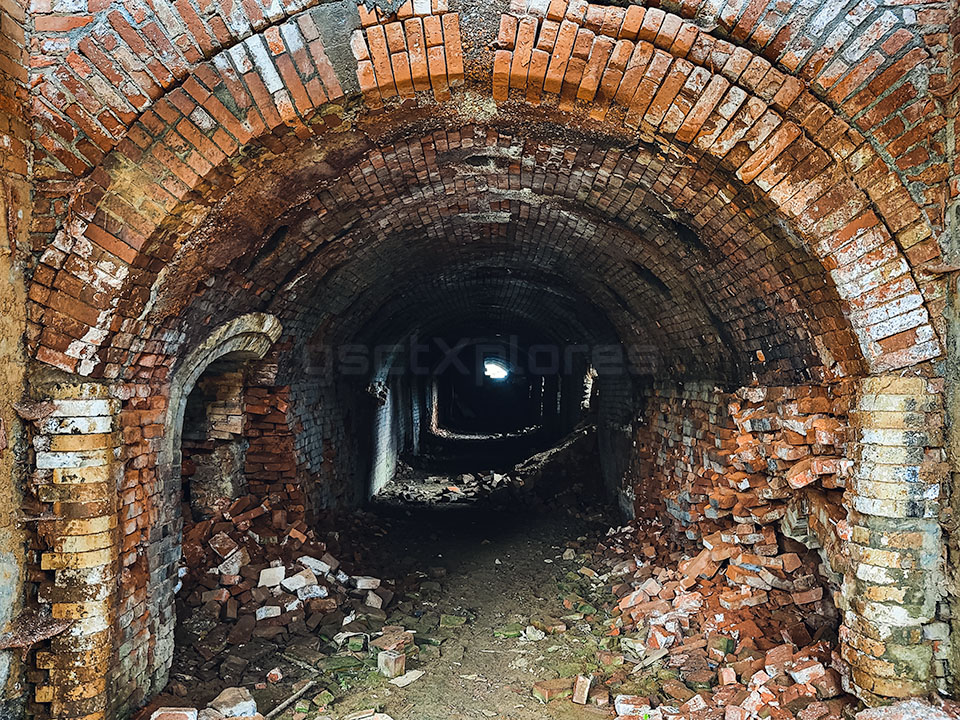
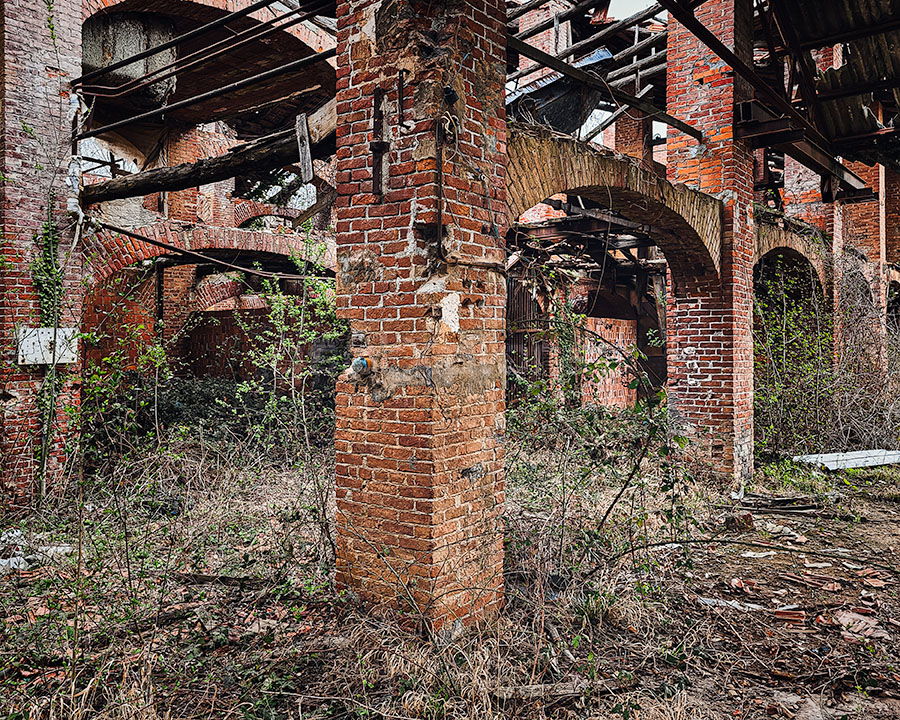
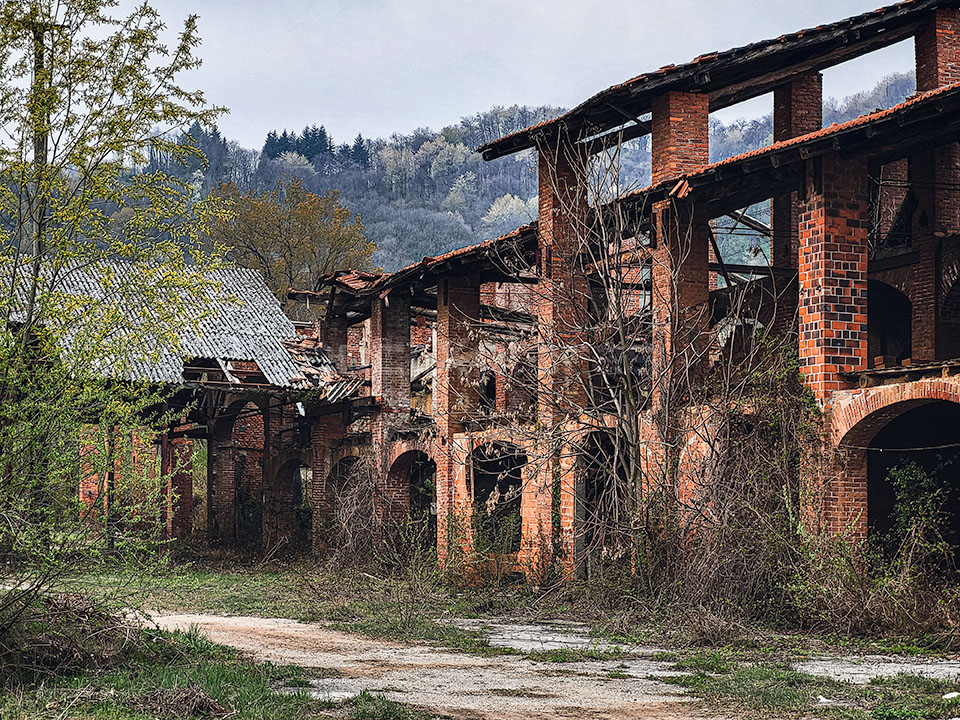
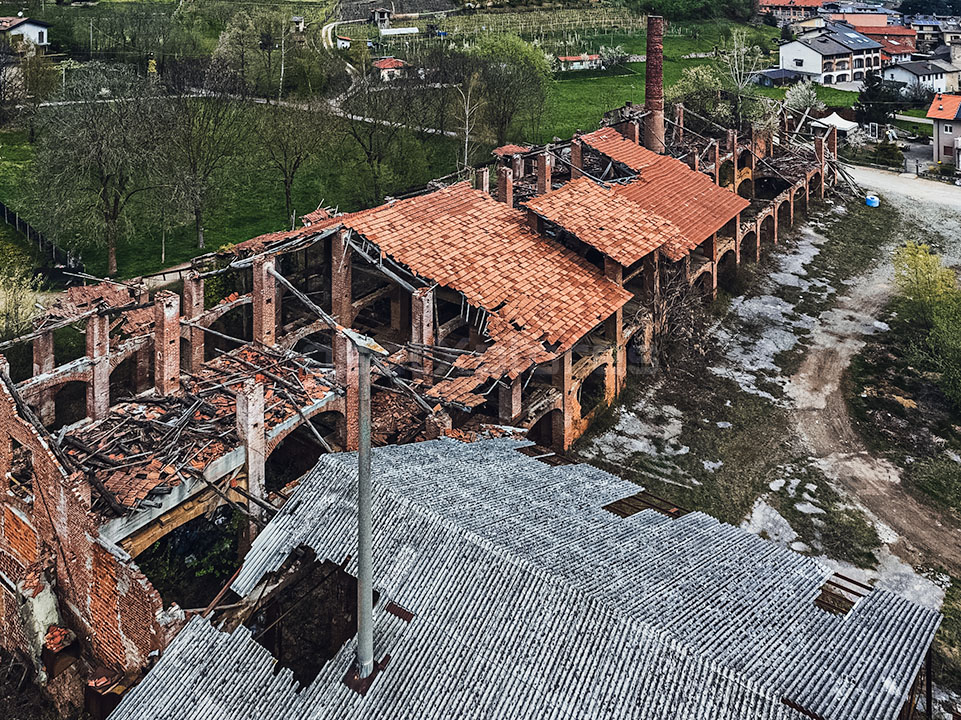
The kiln features a Hoffmann-type oven, characterized by its two-story structure built from a blend of river stones and bricks, showcasing a robust sack-type masonry. Inside, an elliptical annular gallery is topped with a barrel vault made of exposed brick, organizing the cooking and cooling chambers of the bricks. Temporary brick walls, accessed through external entrances still visible today, facilitated the production process. Vents on the extrados of the vault allowed for precise heat regulation.
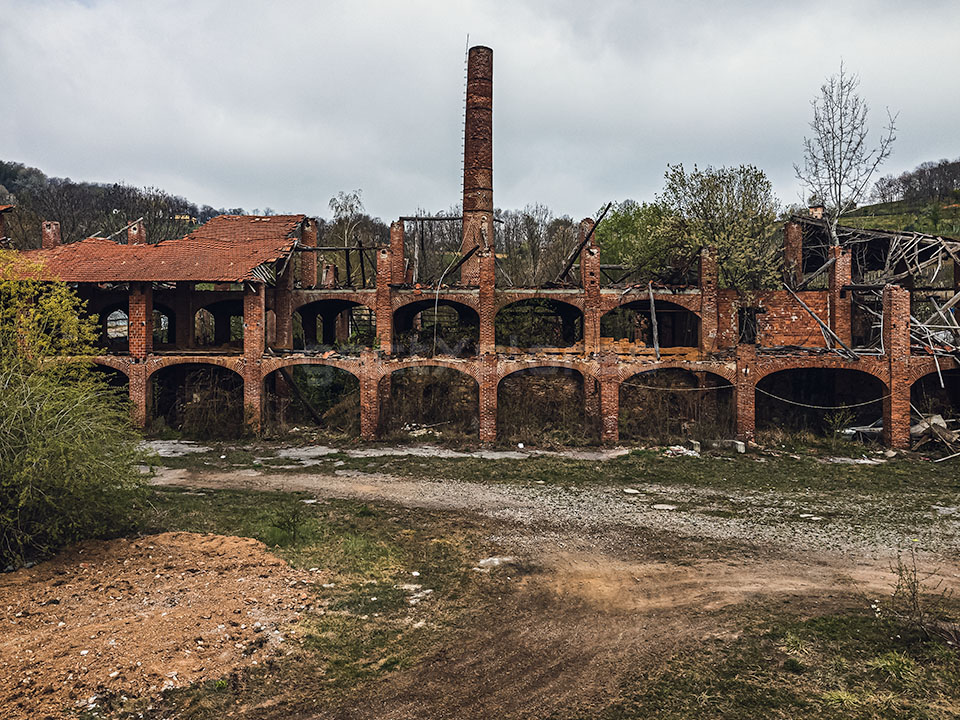
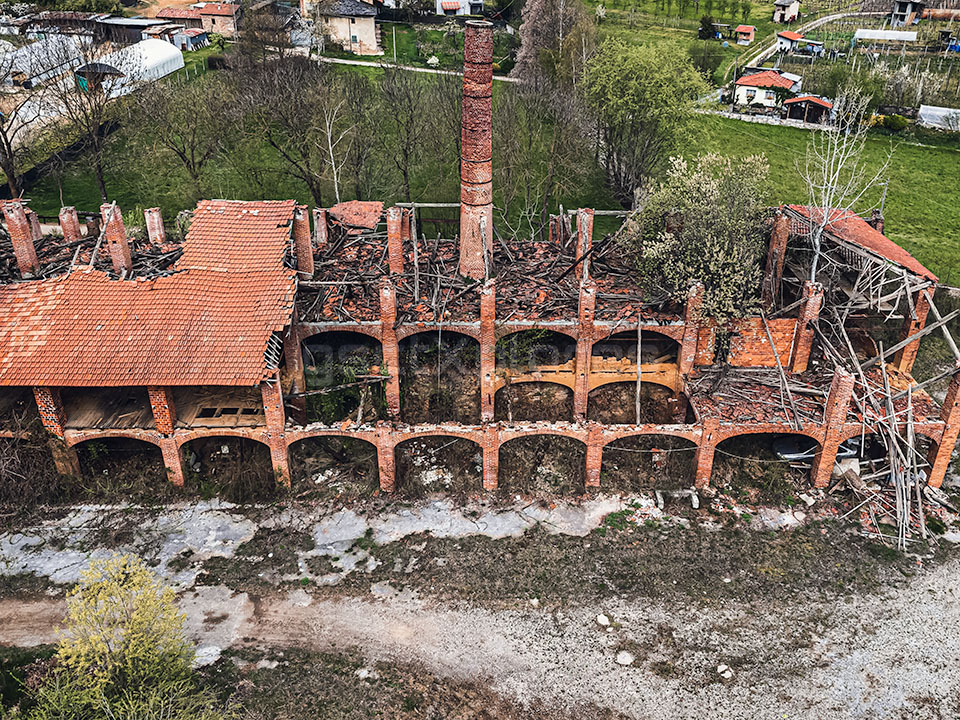
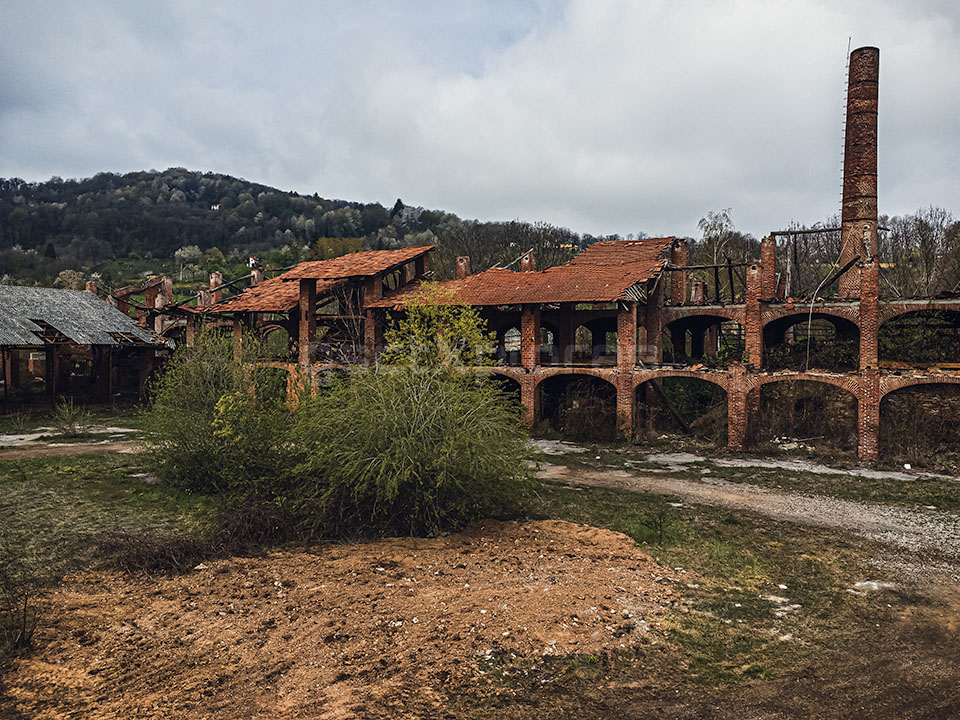
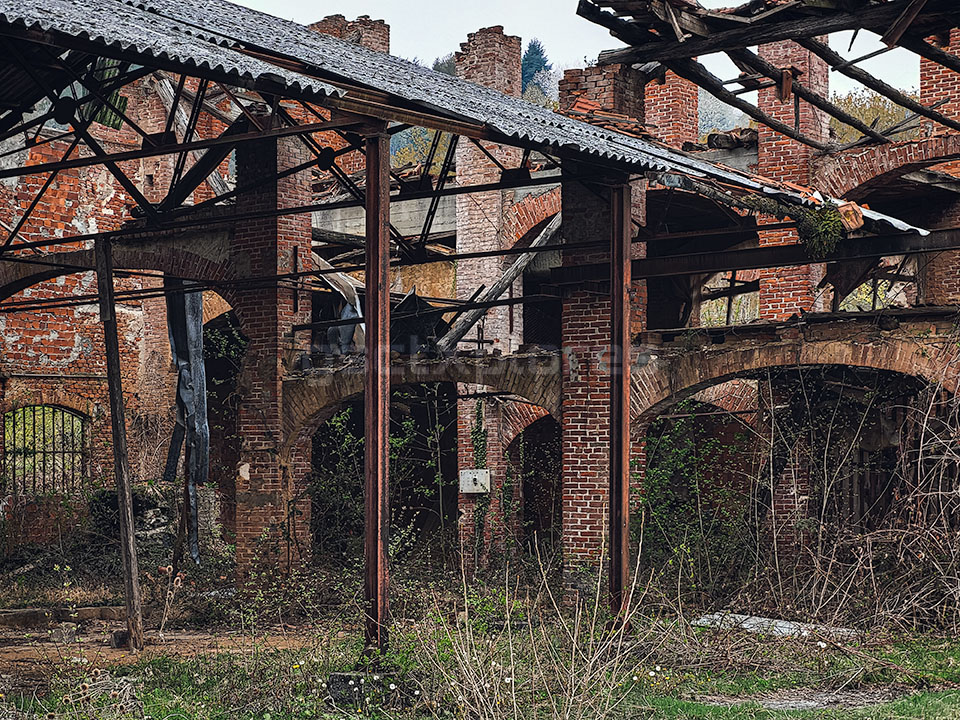
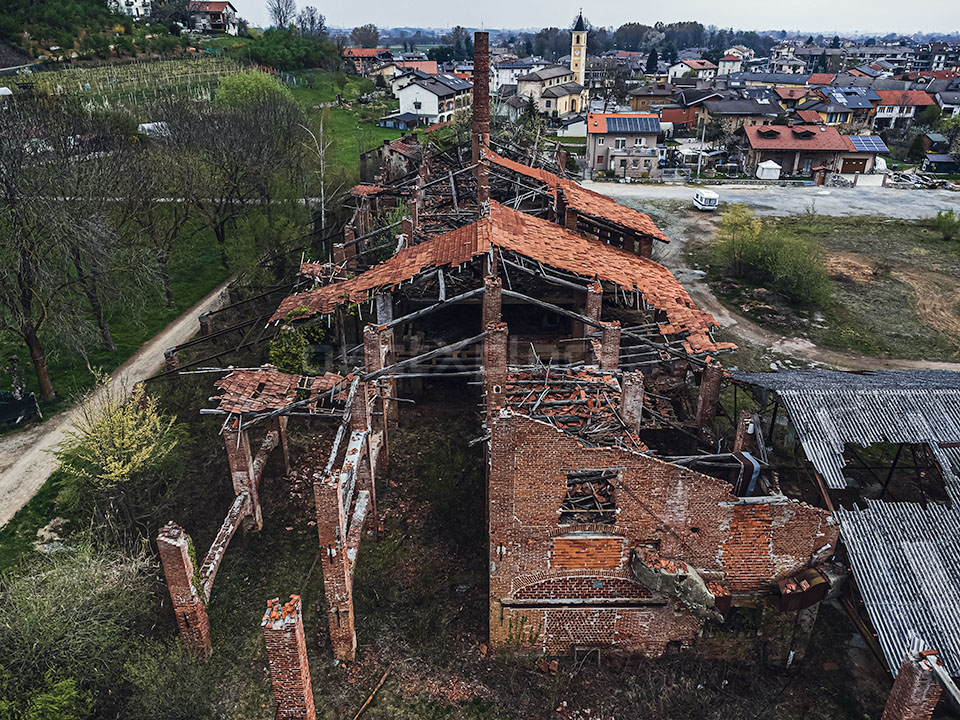
Encased within an external portico supported by exposed brick pillars, the furnace boasts a gabled roof. A distinct circular chimney rises from its center, highlighting its archaic architectural style, which remains deeply rooted in traditional rural construction techniques. The furnace’s ring-shaped gallery is a testament to its original design.
Today, the furnace stands abandoned, yet it has been protected since 2004 by the Superintendence for the Architectural and Landscape Heritage of Piedmont. Its temporary use as a storage facility for lumber and agricultural tools has helped preserve its original structures, documenting advanced continuous fire cooking techniques of its time.
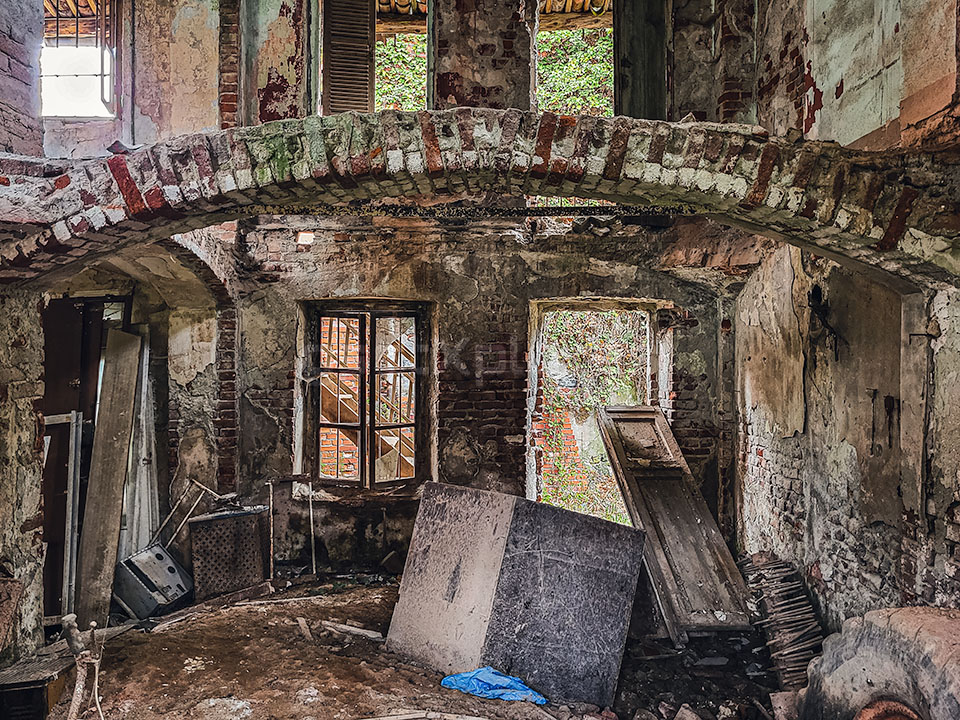
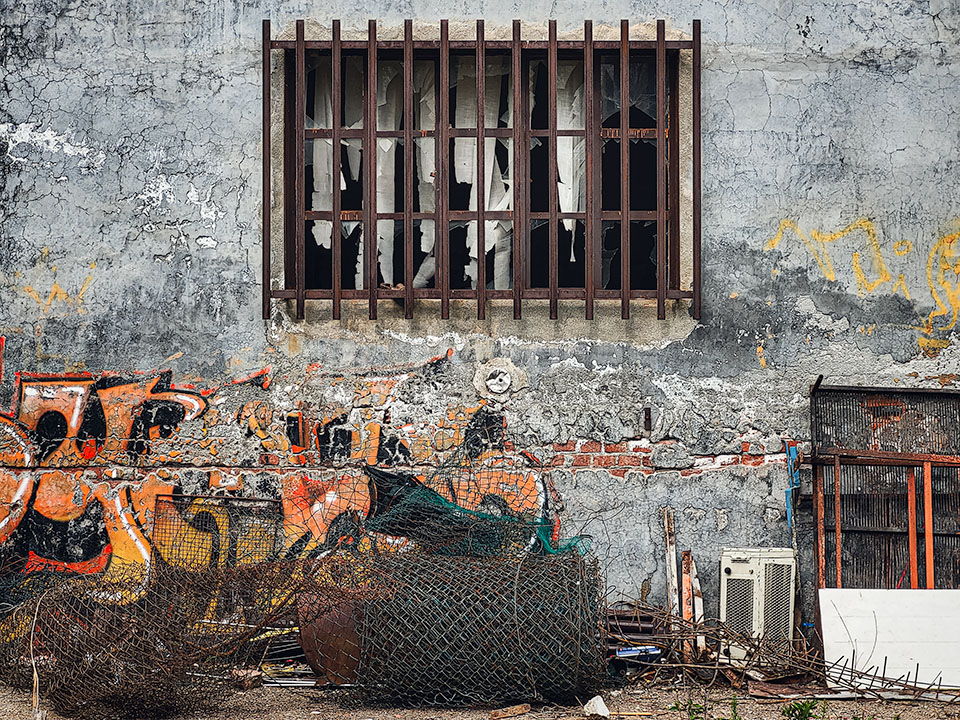
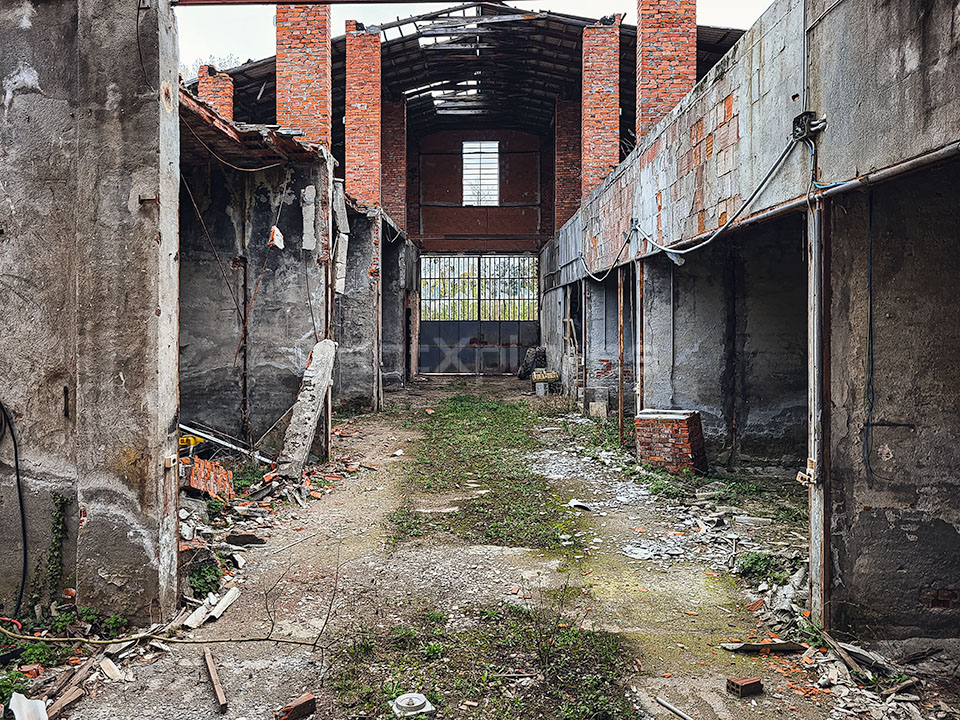
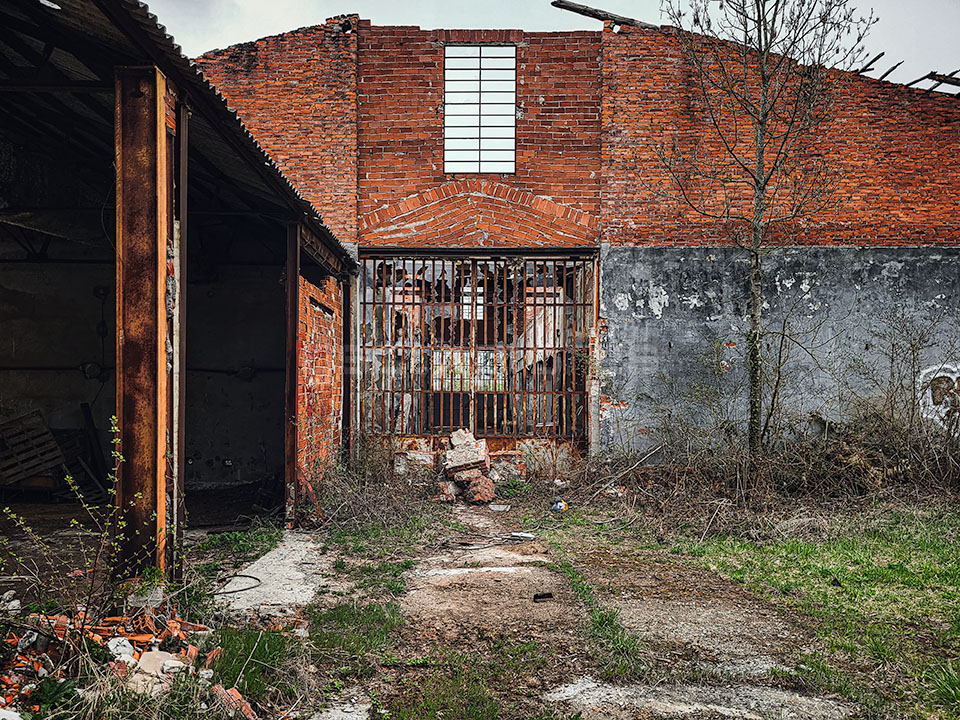
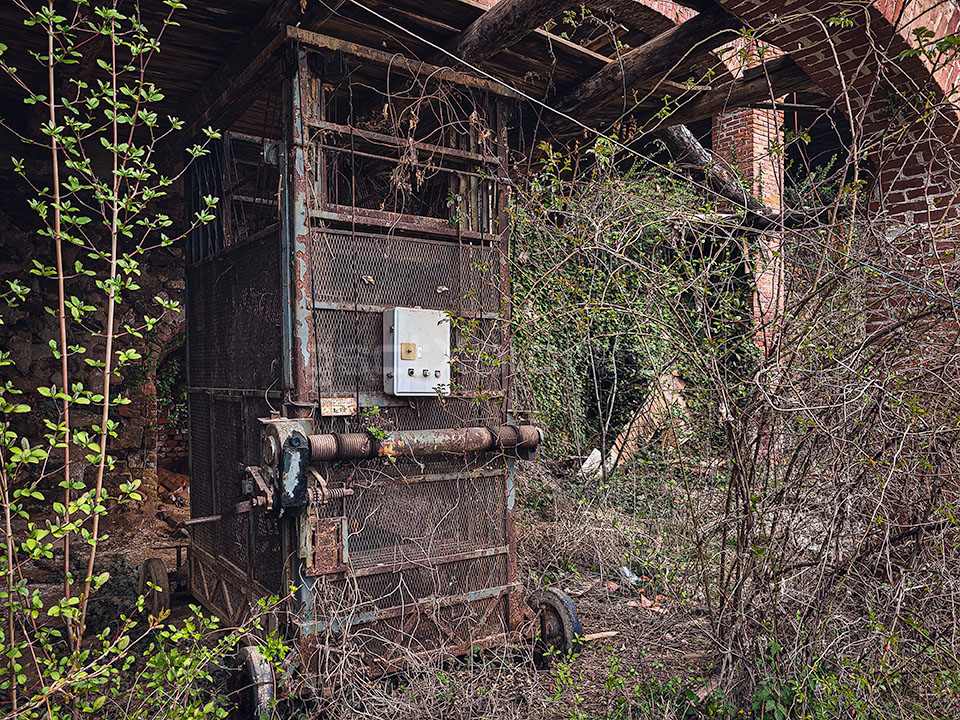
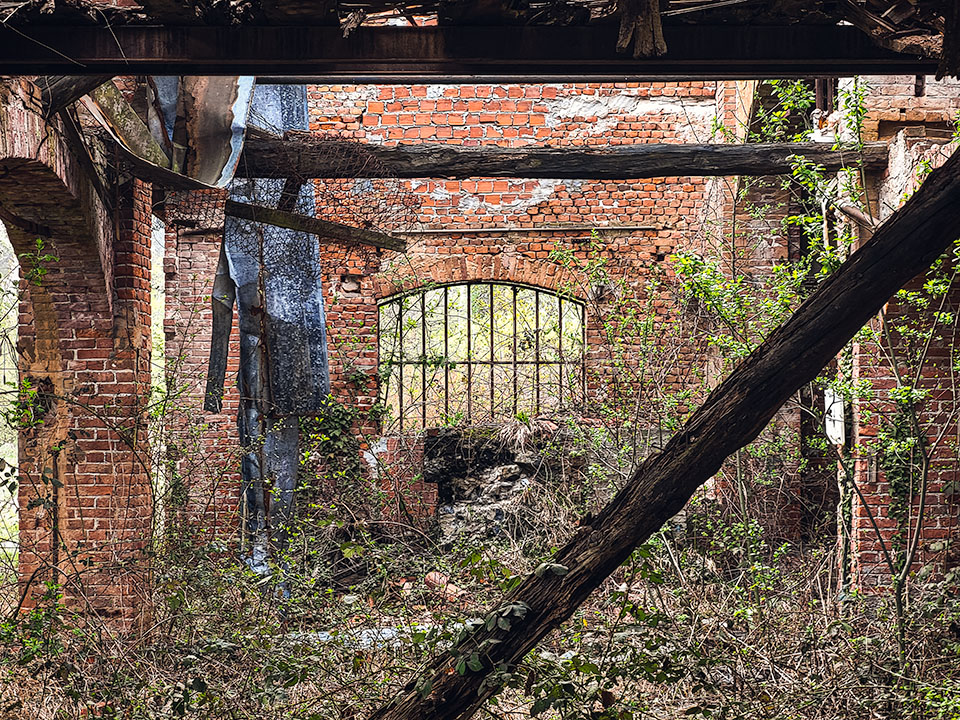
Nature has reclaimed the site, enveloping the former industrial complex in a lush canopy of trees and shrubs. As of spring 2019, the roof of the historic oven wing succumbed to collapse, while the adjacent warehouse has suffered damage from storms, with hazardous materials posing risks to nearby residences.
The furnace area is accessible to the public, attracting curious visitors, though its dilapidated state raises safety concerns. Local residents report that children frequently play among the unstable brick arches and precarious beams.
Plans are underway for the construction of 12,000 cubic meters of new buildings, although any development will need to comply with the Superintendence’s restrictions on historic structures. The property owner intends to sell 7,200 square meters of public space to the town municipality.
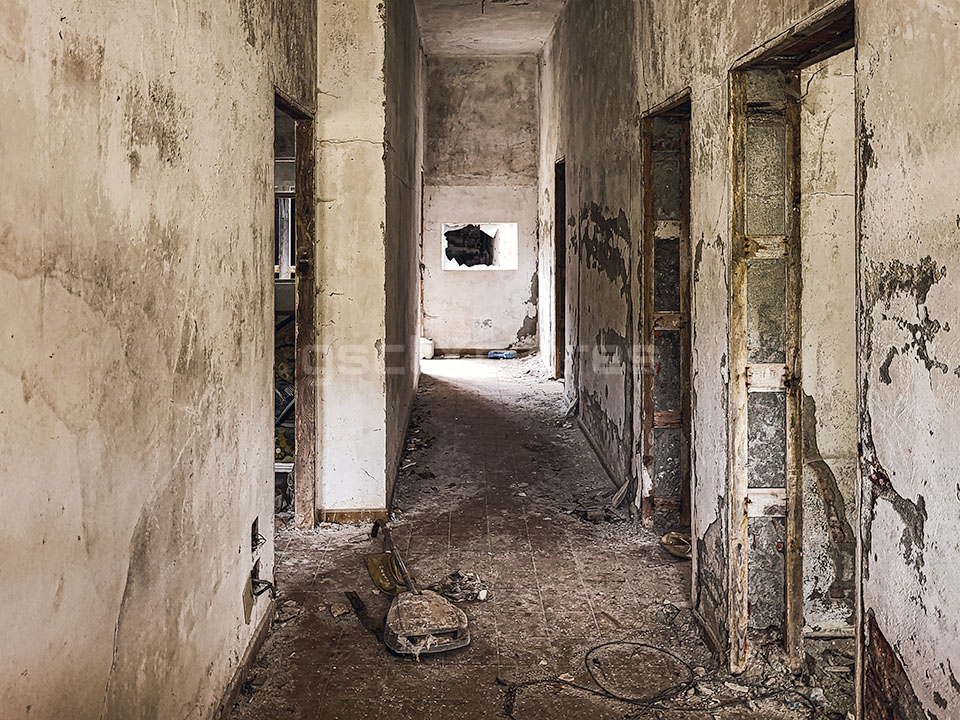
The town’s mayor has voiced caution regarding the future of the furnace: “Let’s not embark the Municipality on adventures; we are against expropriations. We have been waiting for a recovery project since the 1980s, but the current building market is in crisis. Ultimately, the furnace is private property, and as the saying goes, everyone does what they want in their own home.”
As the story of this old furnace continues to unfold, it remains a poignant reminder of the town’s industrial heritage and the delicate balance between preservation and progress which can also be seen in the video and complete photo gallery below.

 gsctXplores