Xploration dates March & May 2018
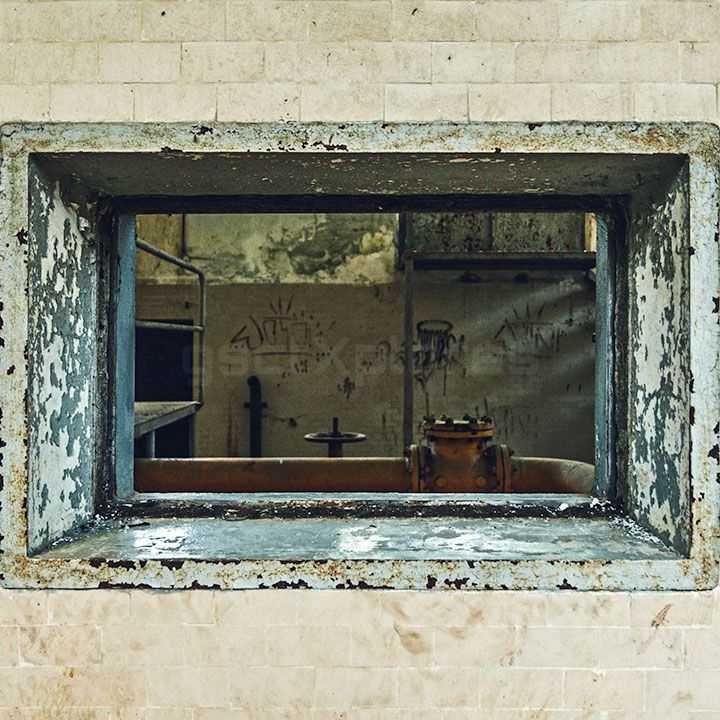
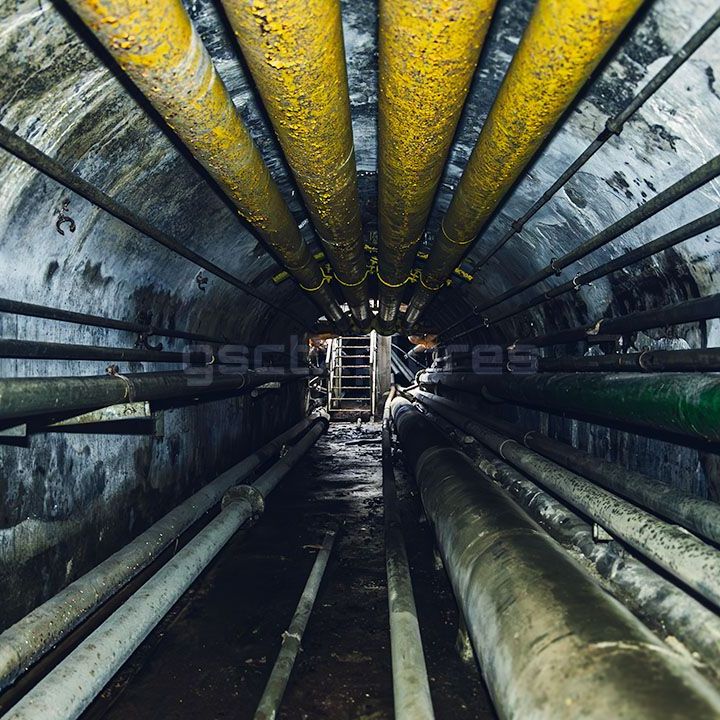
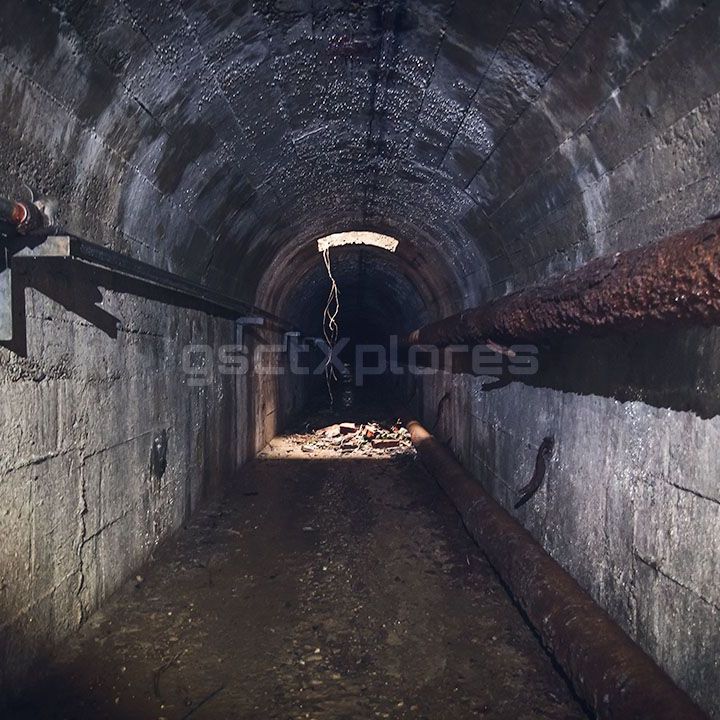
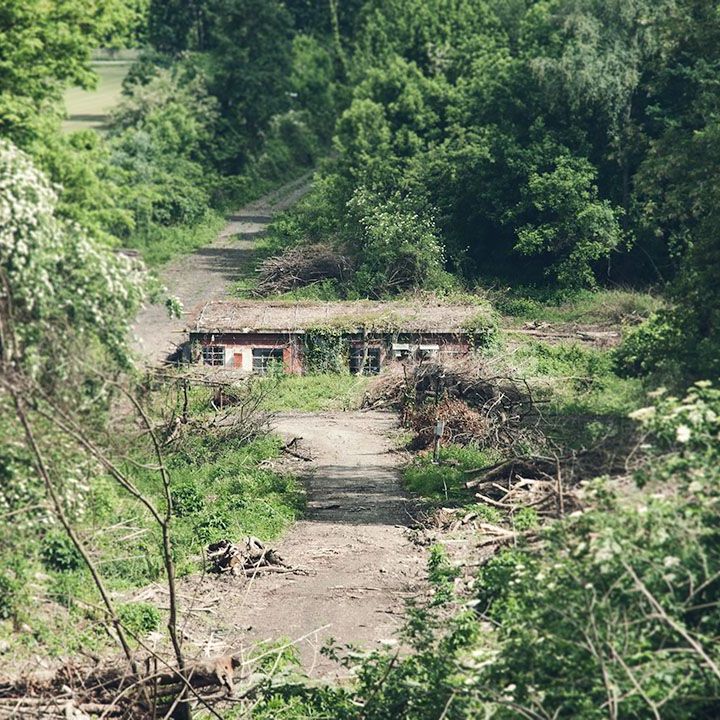
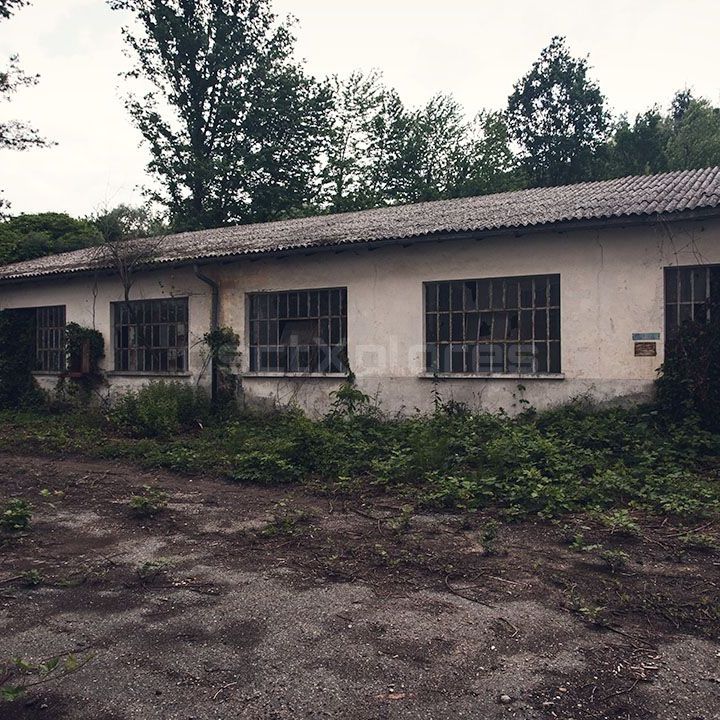
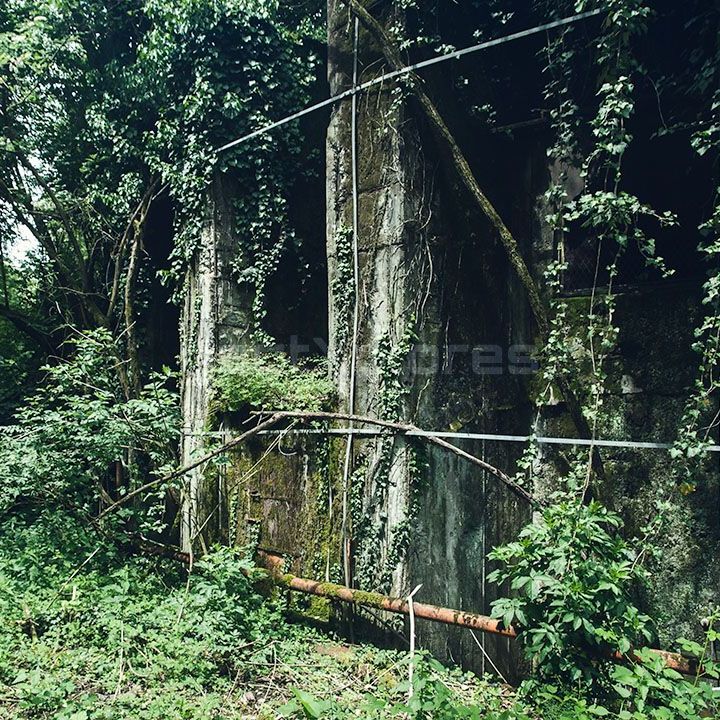
Once a busy military fuel depot, this massive structure lies mixed within vegetation just outside a small quaint village, however it hides kilometres of underground tunnels. Will the rumours of genetic experiments and aliens be confirmed during this Xploration?
Nestled between rolling hills and the banks of the Po River, just a few dozen kilometers from Turin, lies a quaint village shrouded in mystery. This idyllic corner of paradise boasts lush fields and forested heights, inhabited by around 800 souls. The village is home to an important Roman archaeological site, complete with a temple dedicated to Isis, a point of pride for locals, but also a reminder of the challenges they face. With direct access to an important highway, this village seems to be the perfect haven for those seeking peace and tranquility. Yet, lurking beneath its picturesque surface is a complex history involving military land that has stirred controversy among residents and neighboring communities for years.
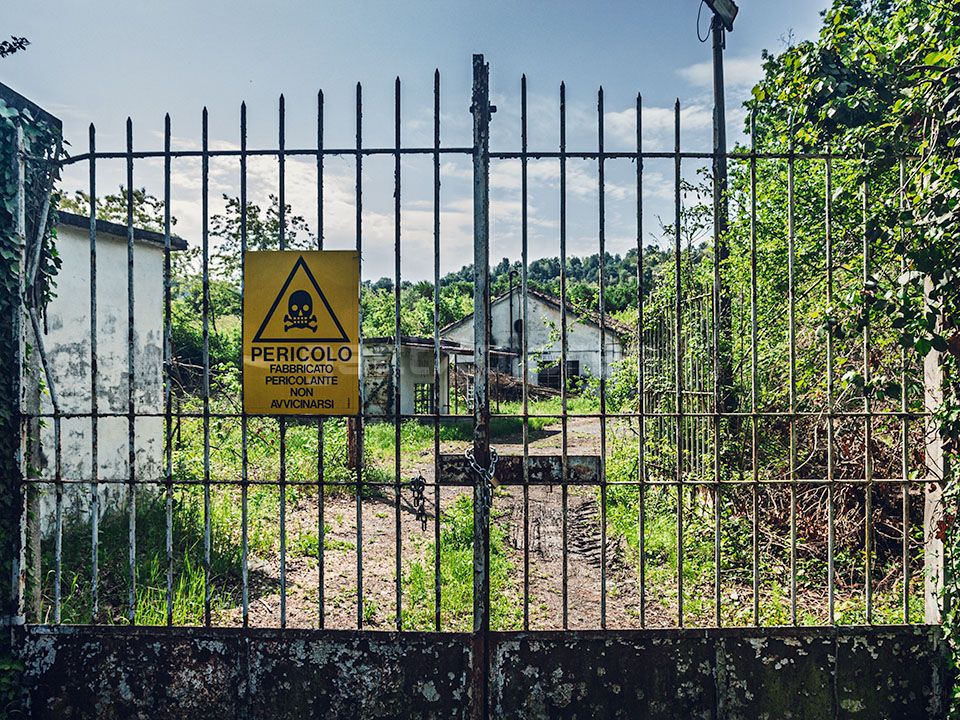
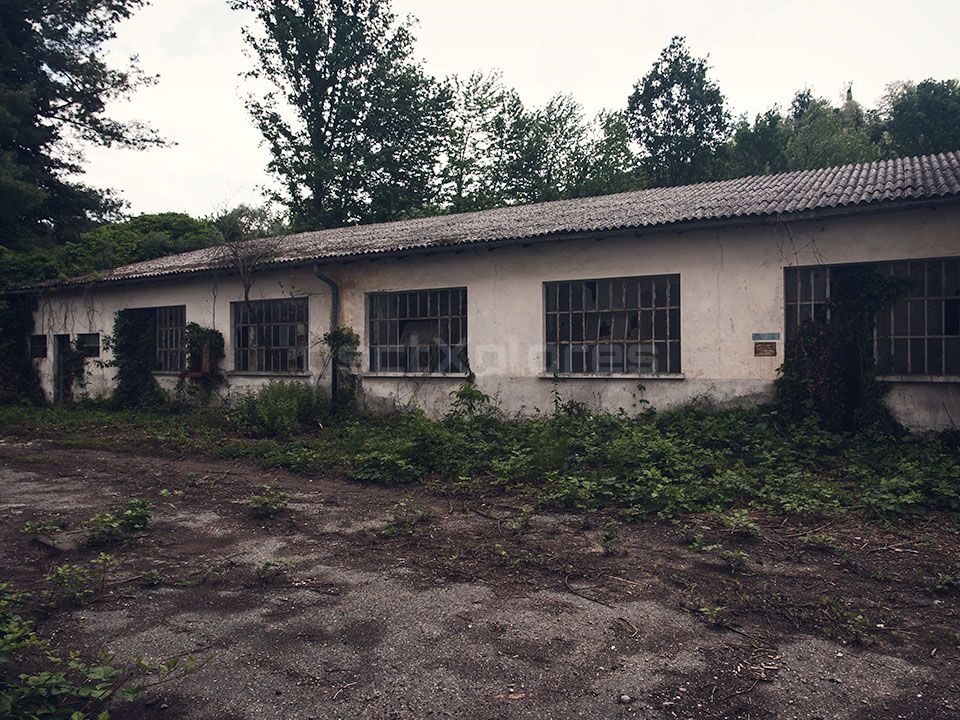
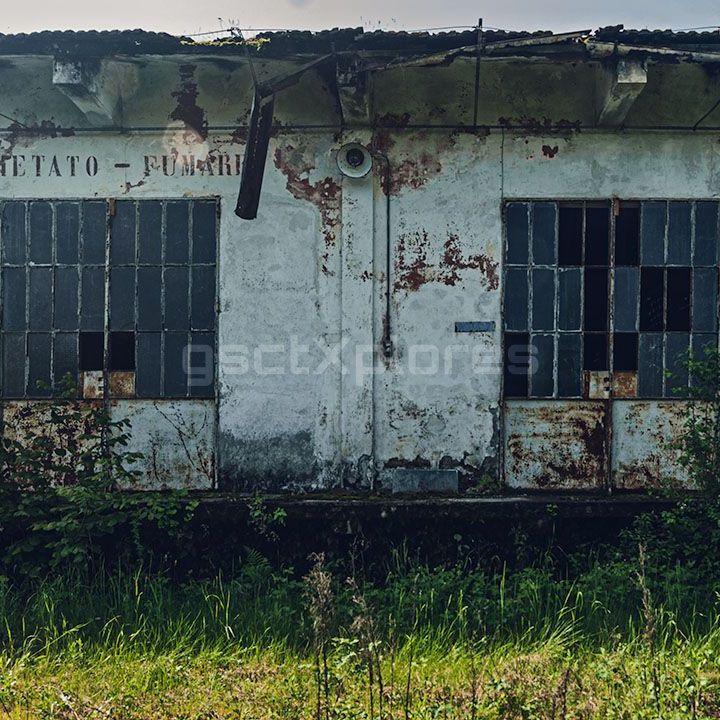
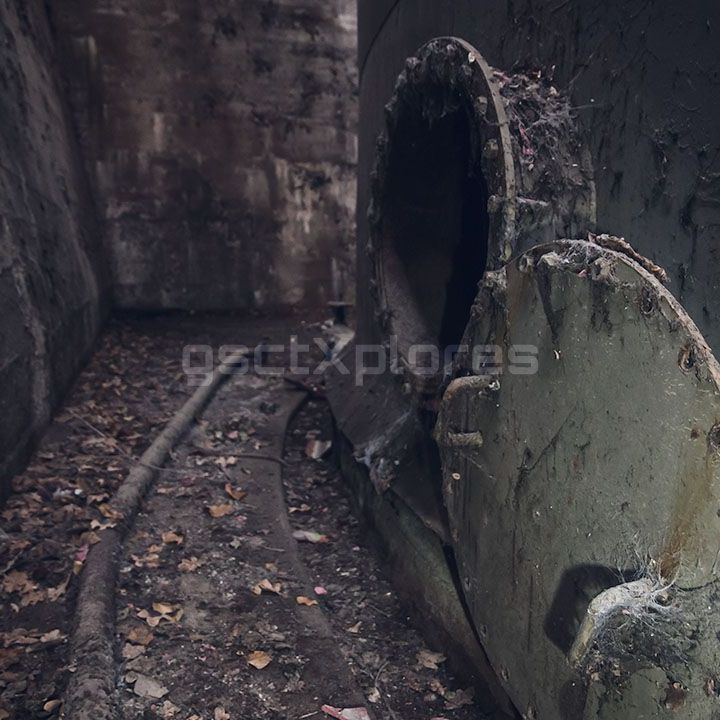
The military structures in the area, built between 1936 and 1937, were used as fuel depots during World War II, making them a significant target during the conflict. Remarkably, these facilities survived the war largely unscathed. The site is divided into two zones, separated by a now-defunct railway line that was once used for transporting fuel: the service area and the large tank section. The latter sits on a hill, surrounded by dense woodland that makes access challenging.
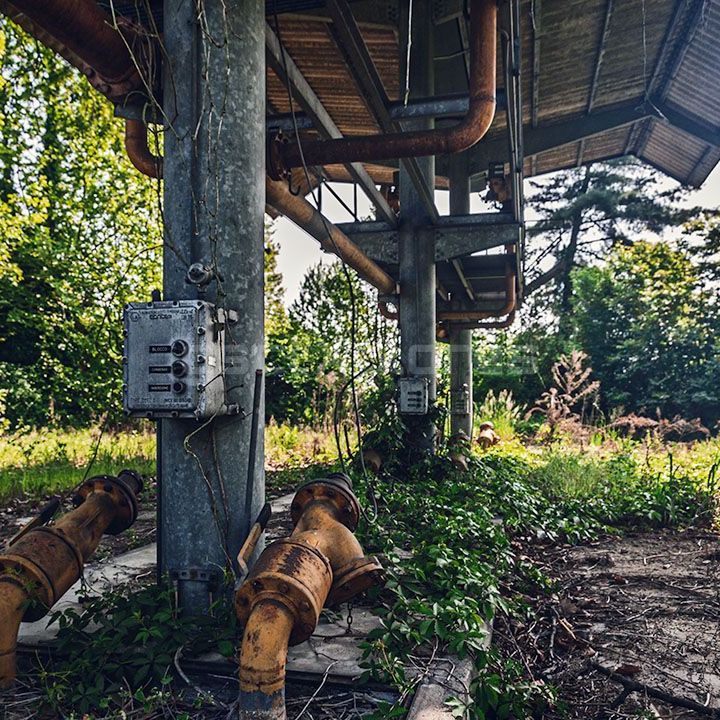
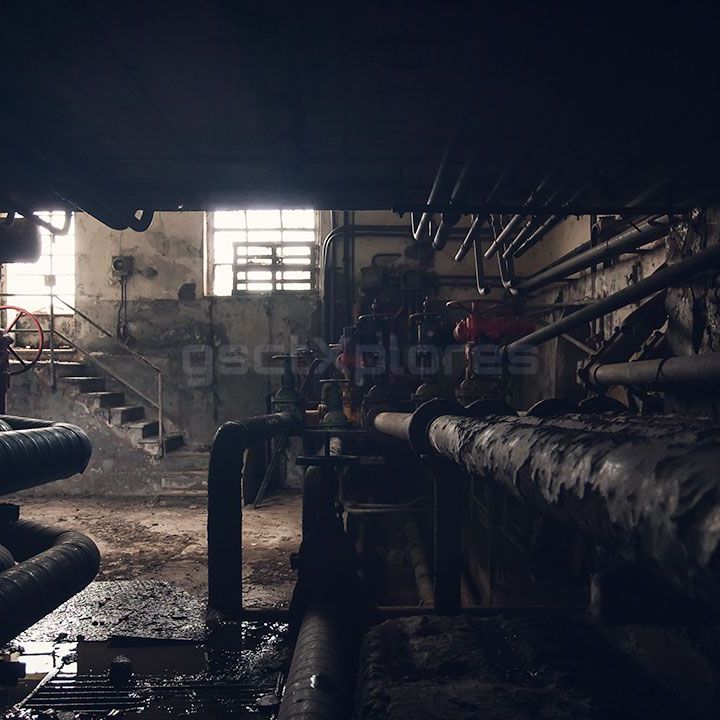
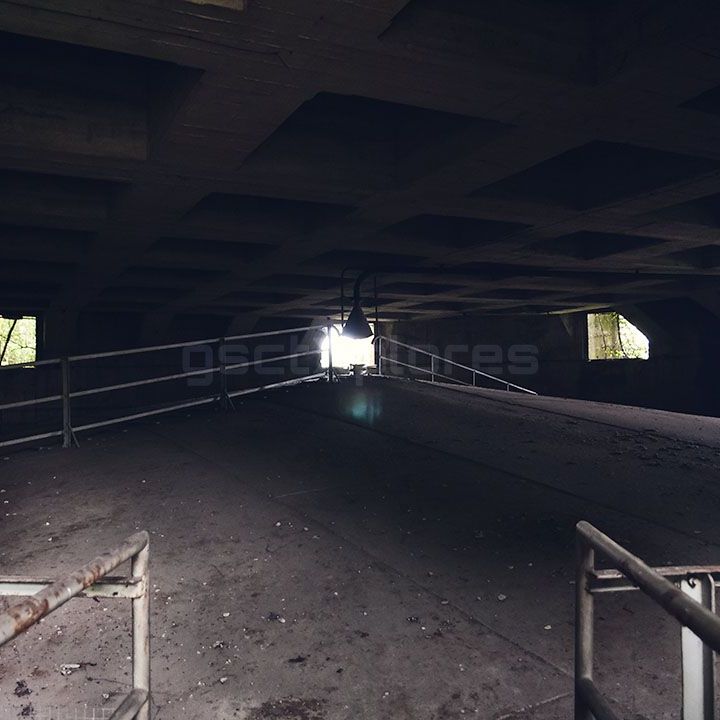
Historical documents from the village municipal archive reveal that this area once housed nineteen fuel tanks, two water tanks, and a recovery basin, all clustered together and connected by underground tunnels. Some of these tanks were buried, while others were camouflaged to resemble storage facilities, reaching depths of up to 18 meters and covering an area of 3,500 square meters. The entire site ceased operations in 1945, but it wasn’t until 1987 that the Northern Military Command officially lifted the military restrictions on the surrounding lands. Four more years passed before the depot was officially closed. Today, the site is under the control of the 1st Mobile Infrastructure Department based in Turin.
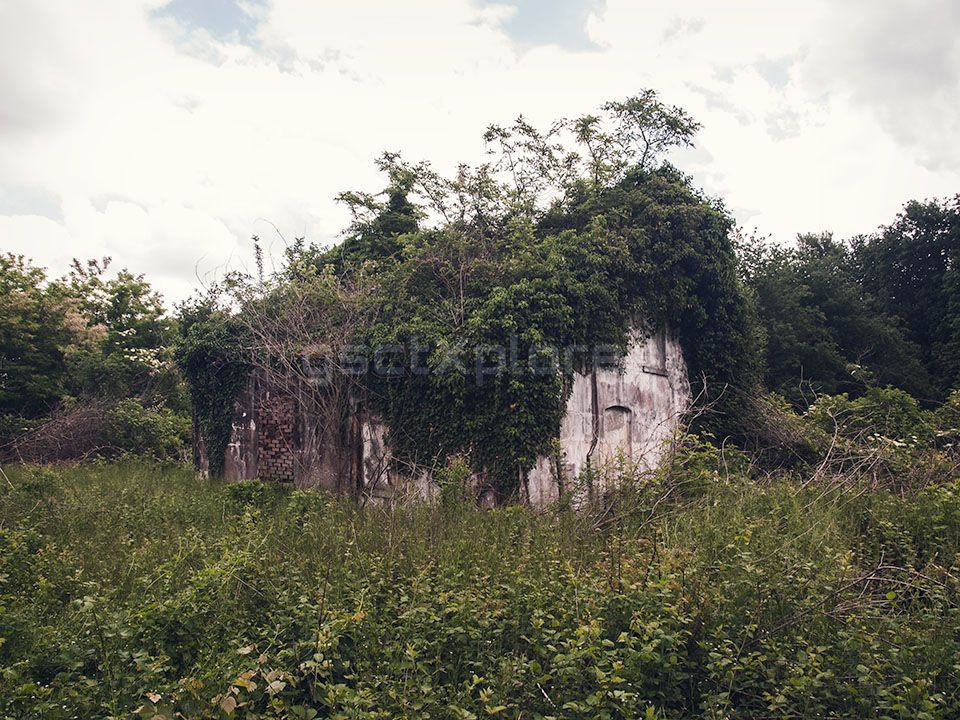
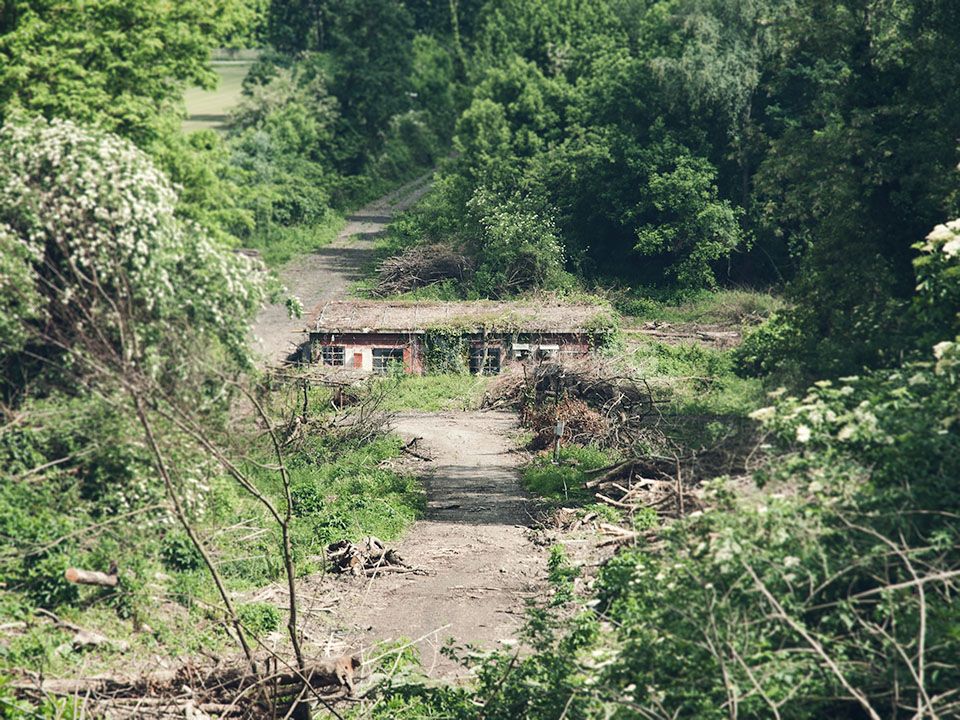
Mystery and rumours circle these military structures; “They’re conducting genetic experiments there,” joked a former resident, alluding to local legends surrounding the hidden depots. Some mischievously claim that aliens are being kept hidden by the military. Such stories have gained traction, especially after crop circles appeared in the fields near the military zone in 2005, and again in 2007. While these phenomena were likely pranks, as suggested by biologist Giorgio Pattera, their unexplained nature added to the local intrigue.
A journalist who began investigating the military land between 2008 and 2009, recalls her experiences. “I followed the developments regarding the administrations’ desire to exploit the area. At one point, fuel began flowing into a ditch along the highway, creating a strong odor that disturbed residents. This happened around the same time each day and lasted about half an hour. I began to suspect that the hilly area dotted with tanks hadn’t been properly cleaned up, as had been claimed, and that some liquids were leaking downhill. My inquiries led to a call from the military, demanding I cease all investigations.”
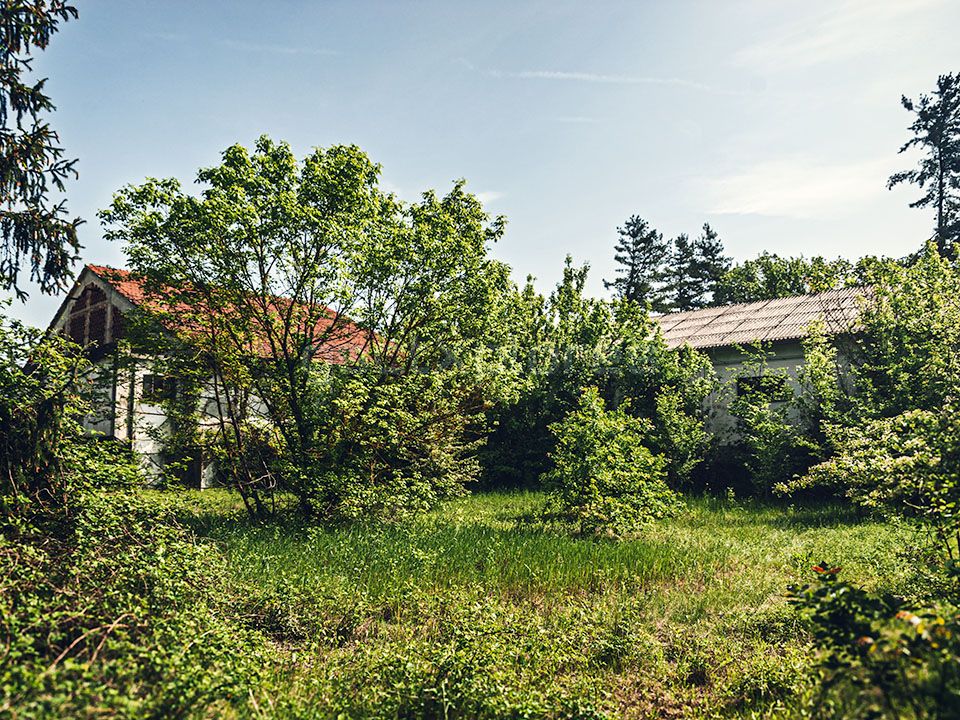
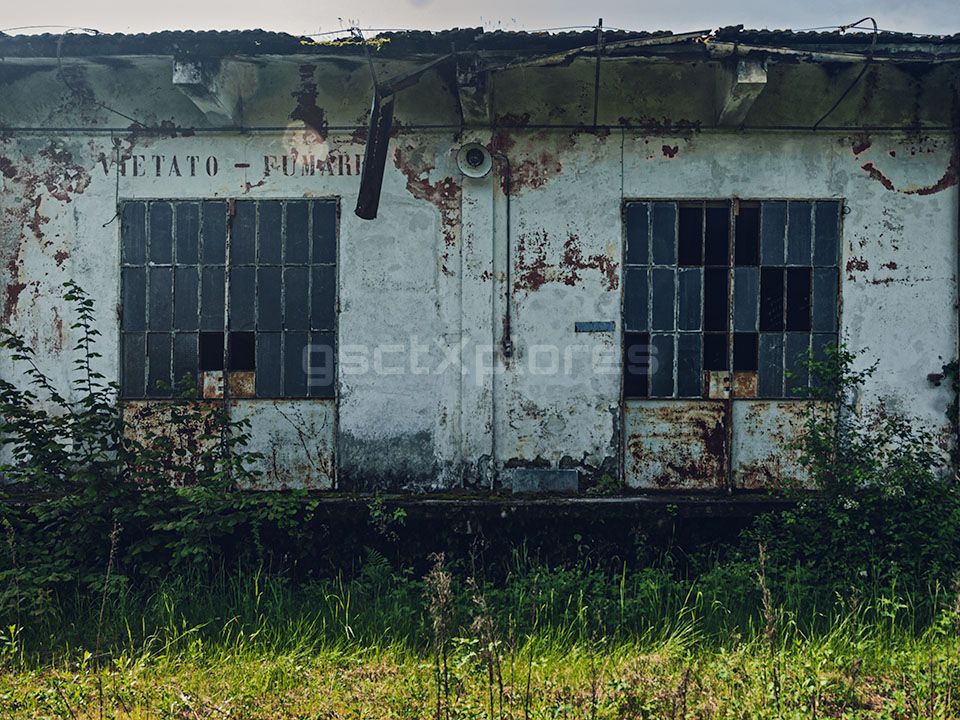
“Military secret, an open secret,” responds the former Deputy Mayor of the village and now a minority city councilor. “For the same reason, we aren’t allowed to know what the interior of the military structures looks like. What’s certain is that in the spring of 2010, the military wanted to dispose of the property. They contacted us to say that if the municipality recovered the area, the Ministry of Defense would offer up to a 20% contribution. However, such an enhancement would require at least 100,000 euros for regulatory changes, with the risk that no one would purchase the property. Not to mention the cleanup costs: it’s documented that the military emptied and cleaned the pipes and tunnels before leaving, but it takes years for fuel residues to be completely removed, not to mention the presence of asbestos within the structures.”
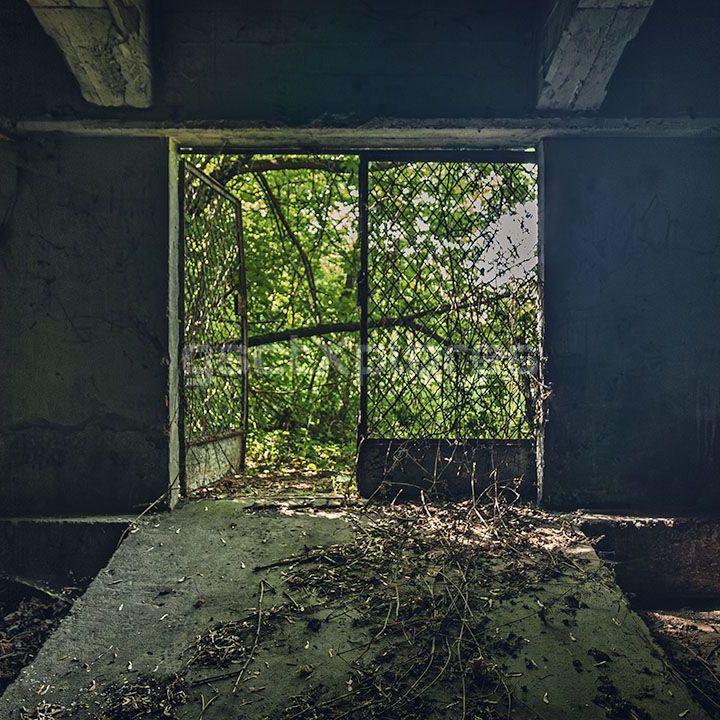
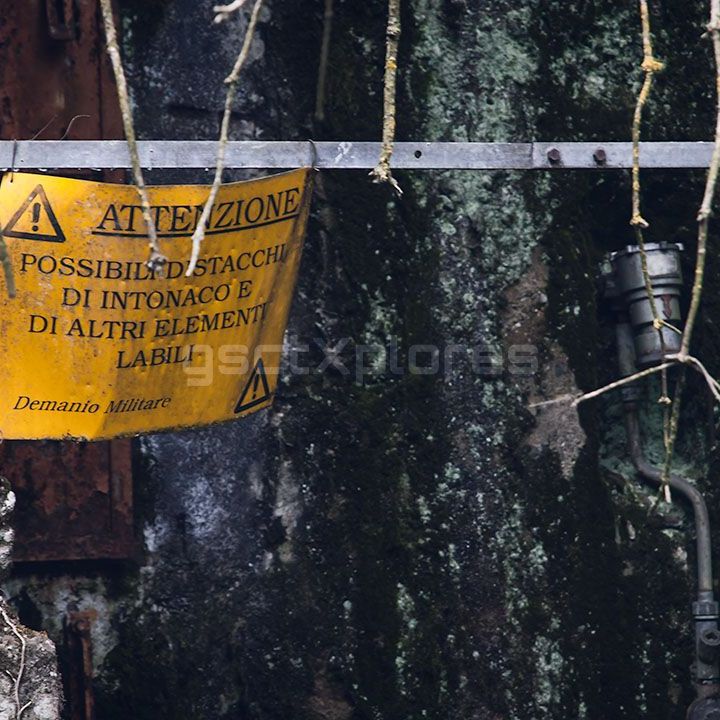
“As officials, we were summoned to Rome, where we learned that the Ministry had no idea the military zone straddled two municipalities or that the entire area was under archaeological protection due to its proximity to the archaeological site. Realizing they were unaware of the state of the military land, we urged them to organize a joint inspection, which took place at the end of summer. To our shock, they didn’t even have the keys to access the gates and locks; we had to use bolt cutters. That day, we could only inspect the exteriors, which were littered with everything from asbestos and glass to scattered metal sheets and rusted, unstable grates hidden by overgrowth.”
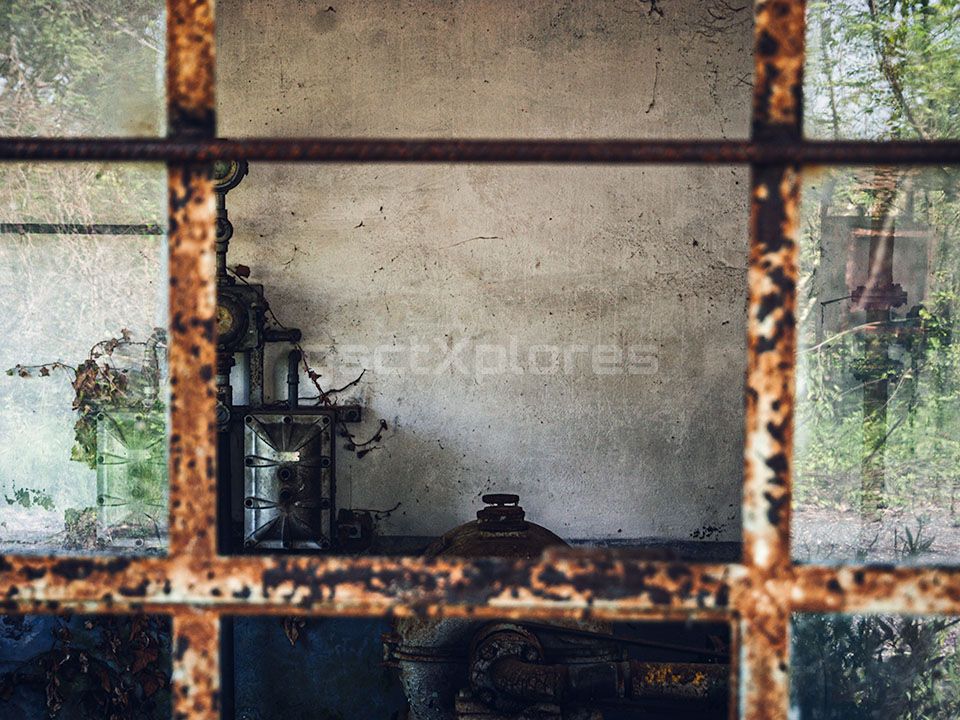
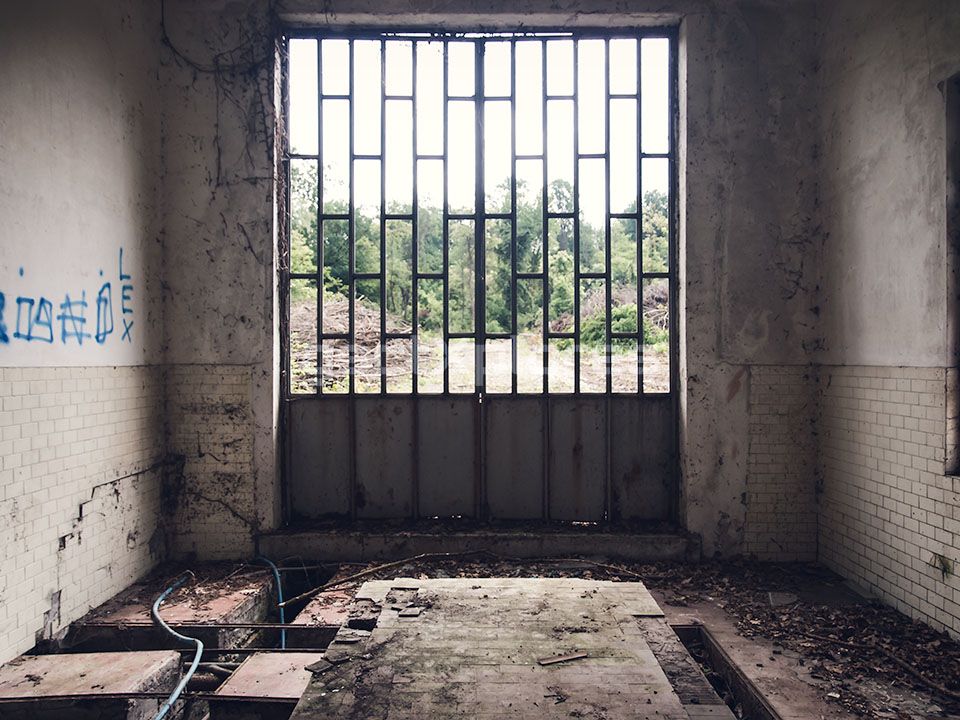
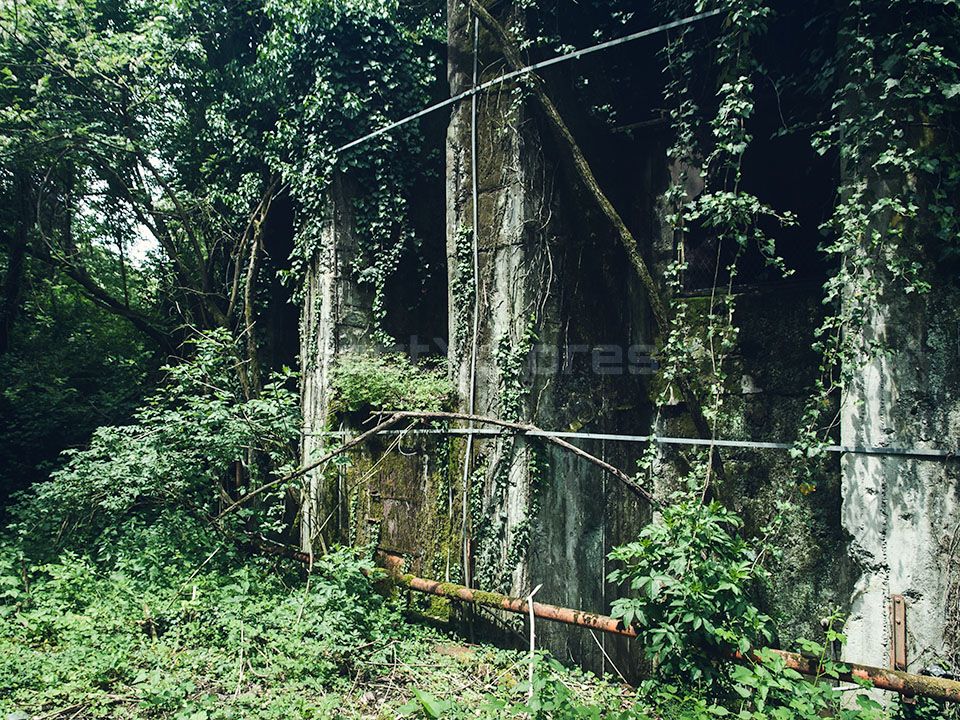
“Despite the Department’s apparent ignorance regarding the site, they remained firm on the idea of alienation. We mobilized to urge the Ministry of Defense to collaborate with the Ministry of Cultural Heritage to circumvent the archaeological restrictions, exploring various proposals for land redevelopment. Suddenly, however, the Ministry withdrew. We repeatedly sought a response but never received any confirmation.”
Today, the administration continues to debate the fate of the compound, with numerous questions still lingering about its future. The hidden history of the quaint village remains a topic of intrigue, shrouded in mystery and local lore. As the village grapples with its past, it also looks toward an uncertain future, where the echoes of history may yet shape the landscape ahead.


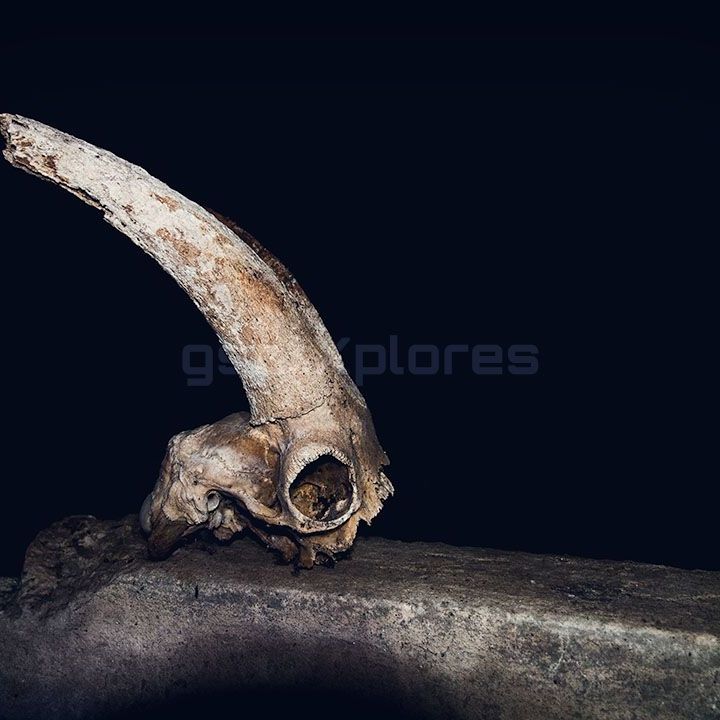
Disclamer: during the xploration which spanned over three days, no aliens were found, only blind frogs and salamanders. There were quite a few mummified spiders too.
If there were any genetic experiments being undertaken, they weren’t found.
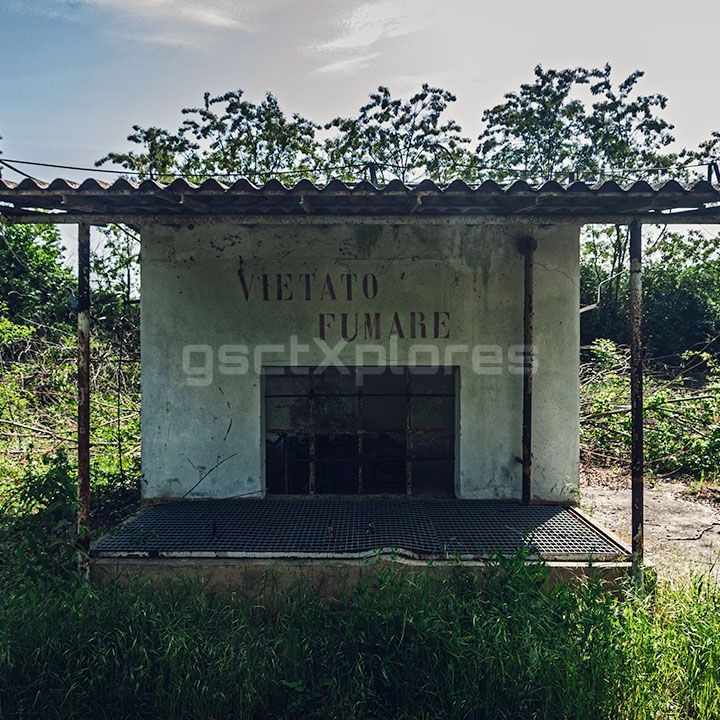
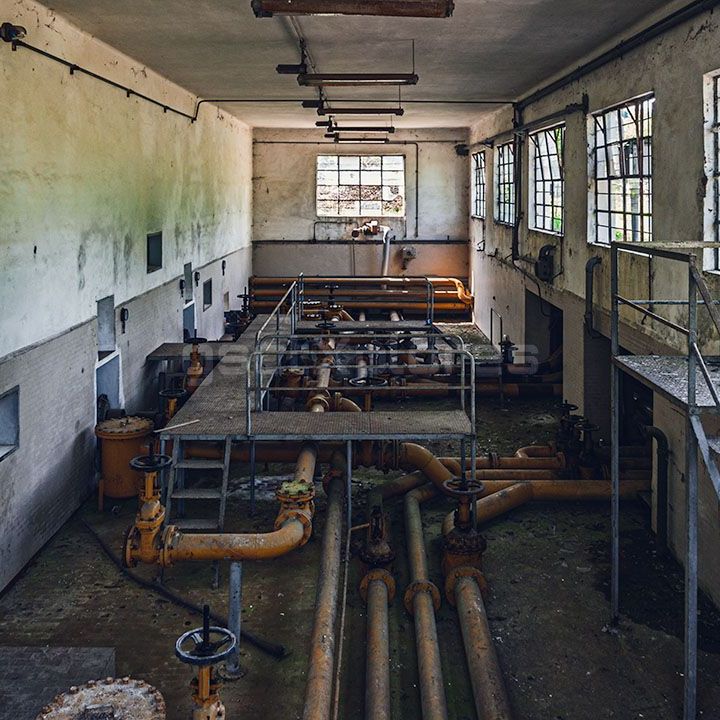
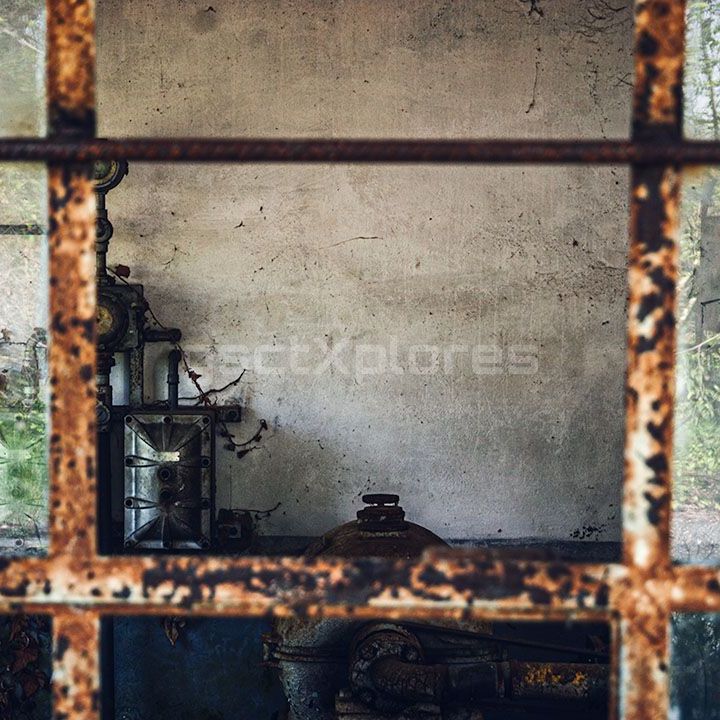
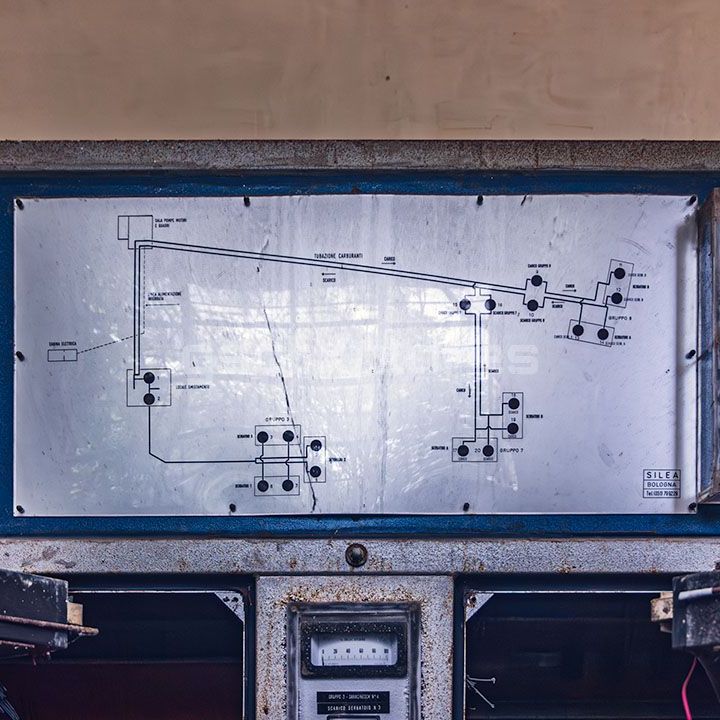
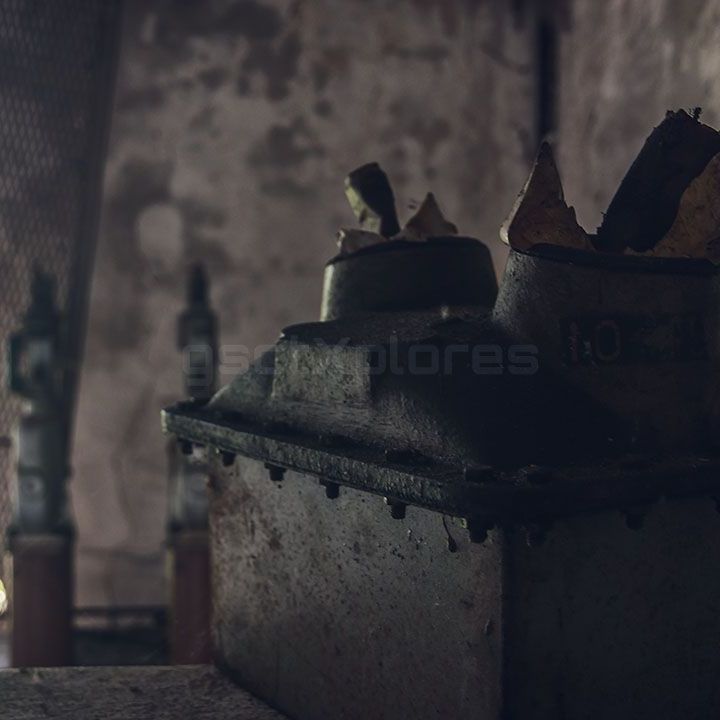
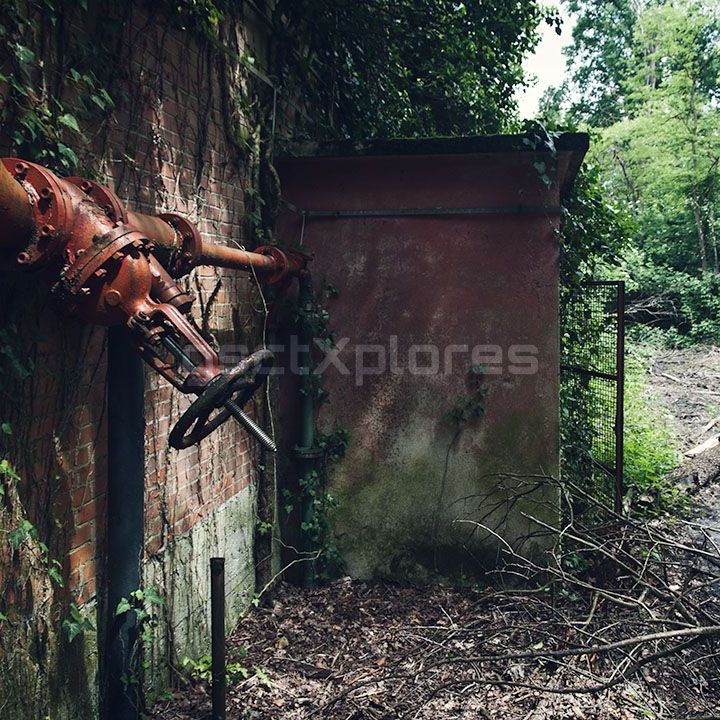
Do enjoy the following pictures.









 gsctXplores