Xploration date 12/02/2023
An abandoned chapel with deep historic roots lies decaying in the farming community of a north Italian hamlet. Welcome to the Forsaken Sanctuary.
The chapel of St. Nicolao, a historical edifice steeped in religious significance, is thought to have been originally associated with the Abbey of St. Nicolao, which underscores its importance within the ecclesiastical landscape of the region. Constructed during the transitional period between the 16th and 17th centuries, the chapel exhibits architectural features that reflect the styles and spiritual influences of that era. Its design and construction likely involved skilled artisans and craftsmen, who infused the structure with both functional and aesthetic elements that served the needs of worship and community gatherings.

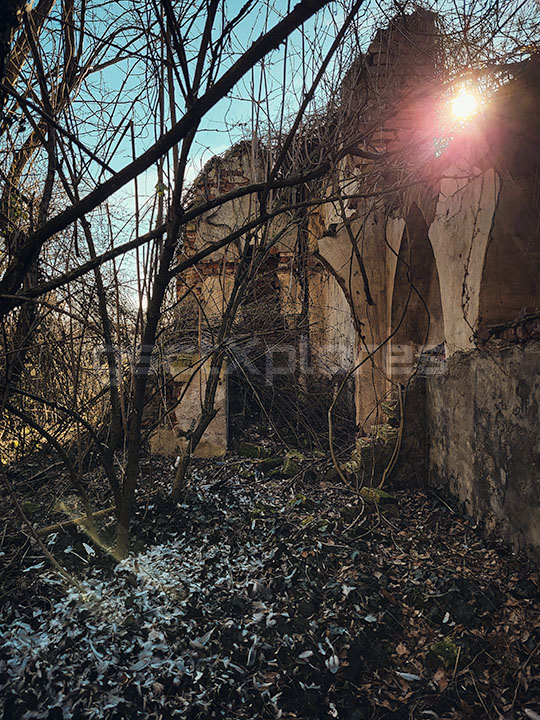
In 1867, a notable chapter in the chapel’s history began when the architect Luigi Formento undertook a significant reconstruction project aimed at revitalizing the internal spaces of the building. This restoration initiative may have involved the careful preservation of original details while also accommodating contemporary needs, reflecting a growing awareness of the importance of maintaining historical sites. Formento’s work would have been pivotal in sustaining the chapel’s role as a place of worship and reflection for the local community during a time of rapid change.

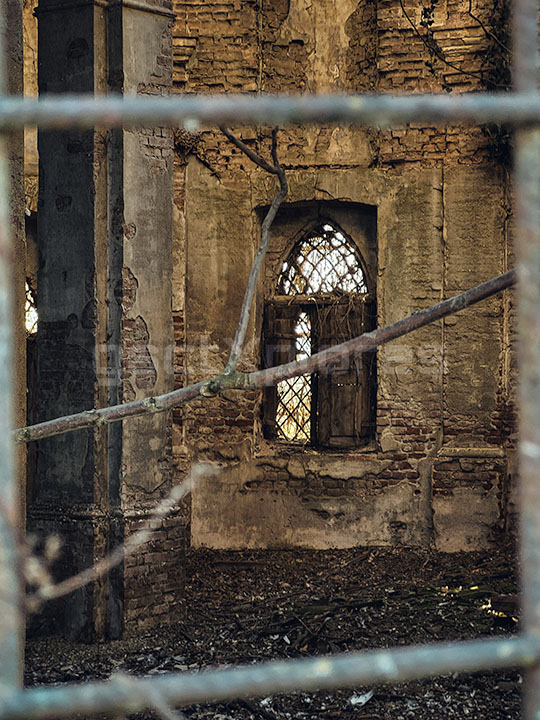
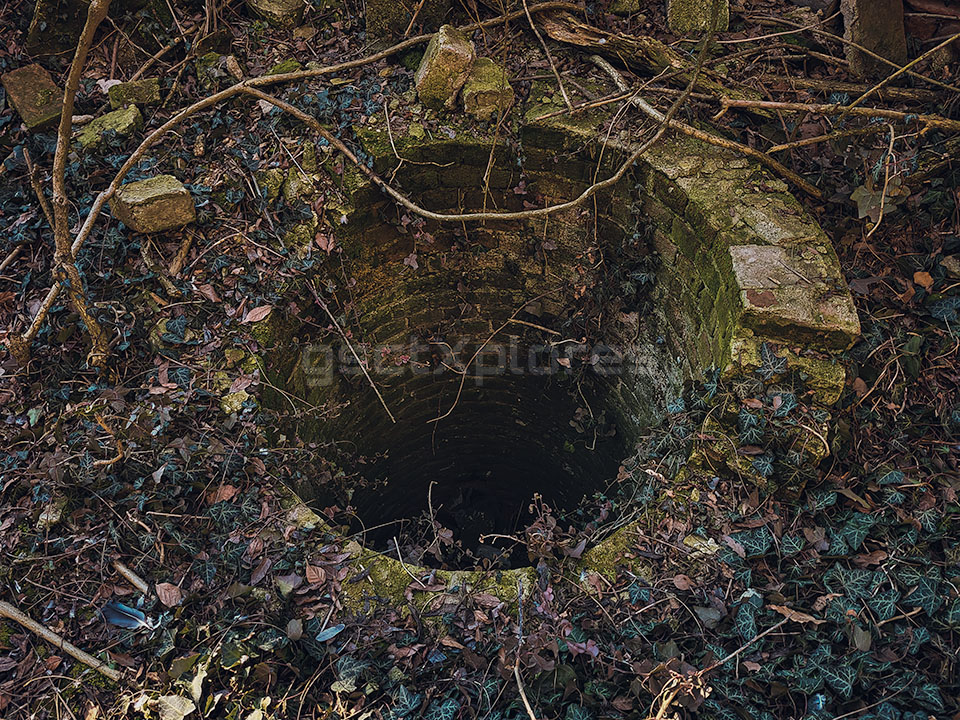
However, by the 1970s, the chapel faced a grim fate; it was deemed abandoned, reflecting a broader trend of neglect that often befalls historical structures in the face of modern development and shifting community priorities. During this time, a proposal emerged to convert the chapel into an art studio, a vision that could have breathed new life into the space and repurposed its historical significance for contemporary use. Unfortunately, this proposal was rejected, marking a turning point that led to further deterioration.
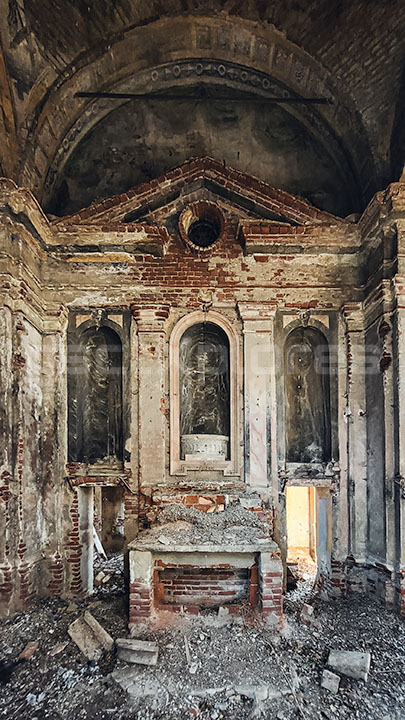

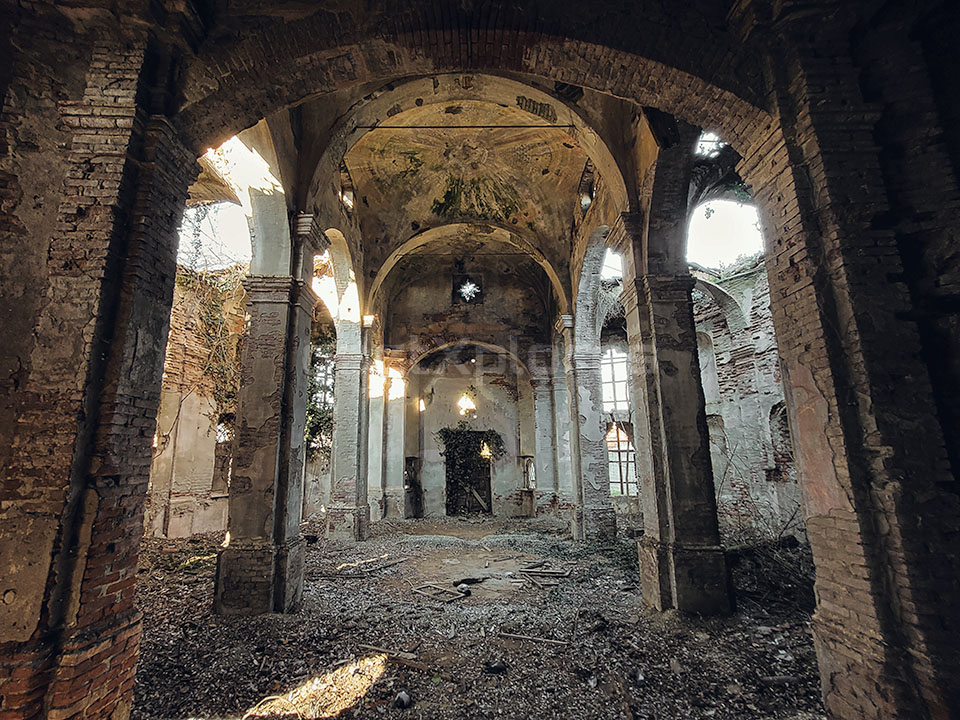
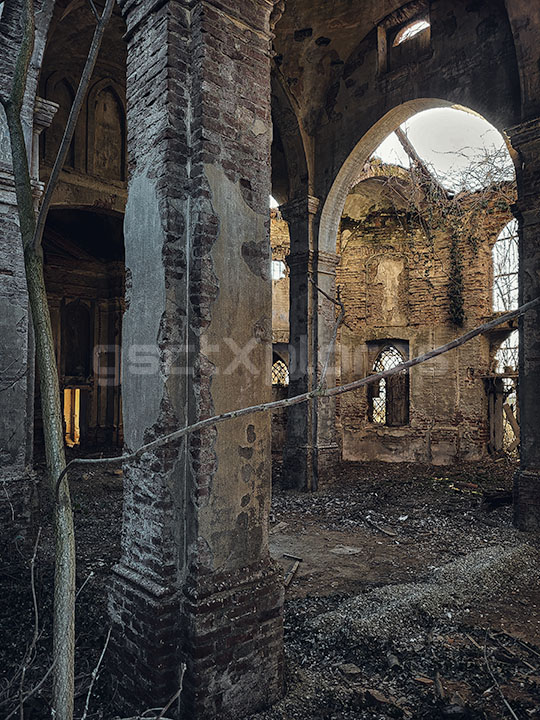
Today, the chapel of St. Nicolao stands in a state of total disrepair, a poignant reminder of its once-vibrant past. Parts of its structure have collapsed, revealing the vulnerabilities of aging architecture that has not been adequately maintained. The encroachment of nature has further transformed the site, as vegetation claims dominance over the remnants of human craftsmanship. Vines and weeds intertwine with the stones, creating a picturesque yet melancholic scene that speaks to the passage of time and the fragility of human endeavors. This juxtaposition of beauty and decay invites contemplation about the chapel’s history, its role in the community, and the broader themes of preservation and loss that resonate through many historical sites today.



 gsctXplores